
Link acquisition is not about collecting every backlink you can find. It’s about earning the right links from the right pages. Link acquisition is the deliberate process of securing backlinks from external websites through outreach, digital PR, partnerships, content, broken link replacement, and mention reclamation. The distinction matters because a hundred weak links rarely move a page, while a handful of relevant editorial links can. This guide covers what link acquisition means, why quality beats volume, the main methods you’ll use, and how to tell a good link from a bad one before you spend a minute on it.
What Is Link Acquisition?
Link acquisition is the intentional work of earning or securing backlinks from other websites to your own. You pursue it through outreach, digital PR, partnerships, content that attracts links, broken link building, and turning existing brand mentions into links. The keyword is intentional: someone on your side decides which links to chase and does the work to land them.
That intent separates acquisition from passive link earning. Passive earning happens when a writer links to you because they found your page useful, with no prompting. Acquisition happens when you identify the opportunity, qualify it, and ask. Both produce backlinks. Only one is a process you can plan, repeat, and scale.
Acquisition also sits inside the wider practice of link building as a repeatable process. Think of link building as the strategy and link acquisition as the execution side: the actual securing of placements. When practitioners use the term “acquisition,” they usually mean they want a system that produces links month after month, not a one-off backlink tactic.
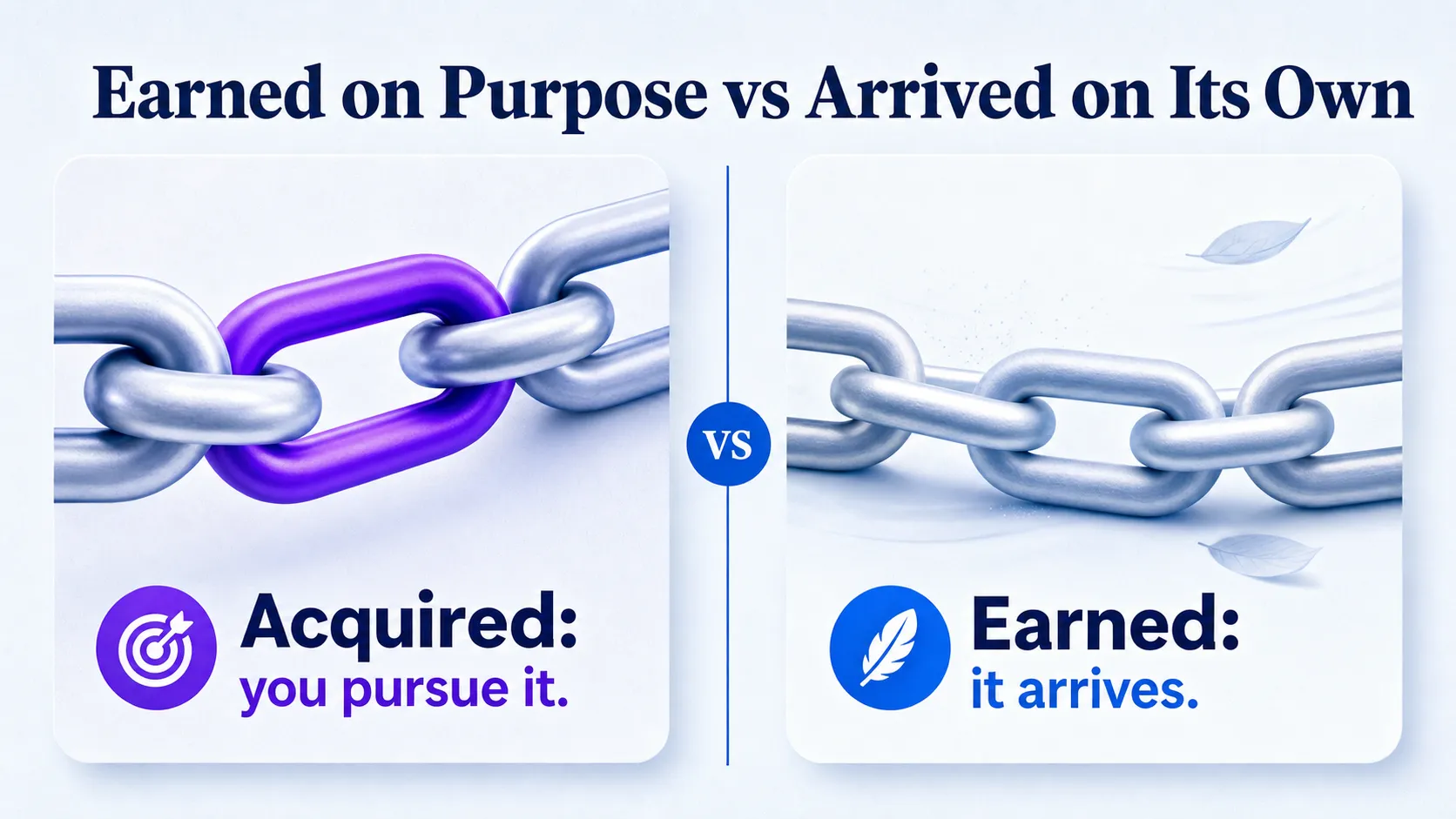
The end goal is never “more links.” It’s relevant editorial links from pages that real readers visit and that search engines and AI engines trust. That framing shapes every choice that follows.
Why Link Acquisition Matters
Acquired links still influence search outcomes because backlinks function as trust signals. When a credible site links to your page, it passes a vote of confidence that search engines read as authority. That authority feeds ranking potential, but only when the link is relevant and editorially placed. A link from a topically aligned page in someone’s main content carries weight a footer link from an unrelated site never will.
Volume is the wrong metric to chase. One link from a publication your audience actually reads, on a page about your exact topic, beats a batch of links from thin directories. Relevance and context decide whether a link helps at all, which is why strong campaigns prioritize pages with genuine readership and topical fit over raw authority scores.
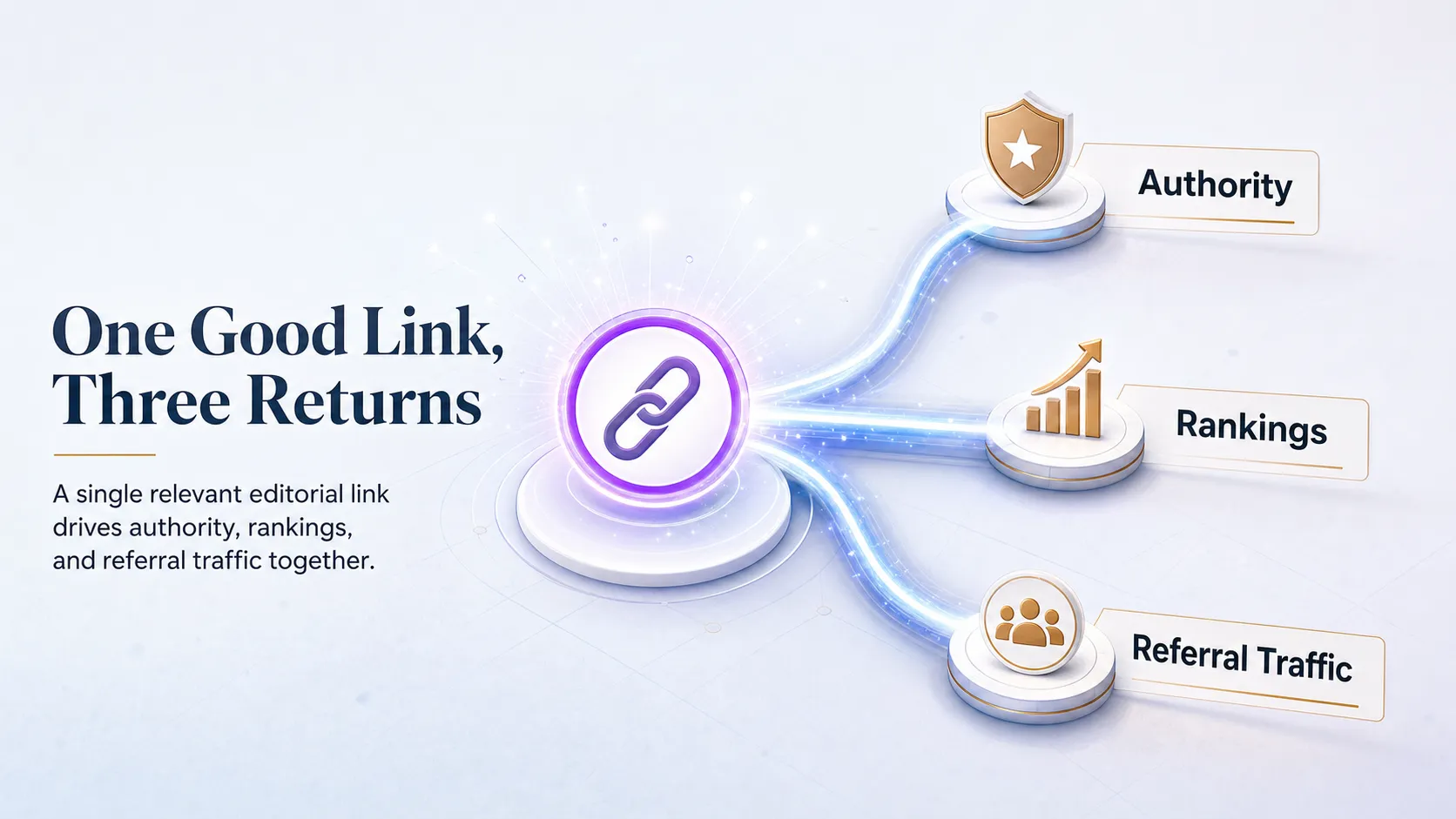
The table below maps what a strong link actually returns, beyond the ranking signal everyone fixates on.
| What the link gives you | How it shows up | Why it depends on quality |
|---|---|---|
| Authority signal | Search engines treat the link as a vote of trust | Only counts when the source site is itself trusted and relevant |
| Ranking support | Helps competitive pages that already have solid on-page SEO | Irrelevant links add little and can dilute your profile |
| Referral traffic | Real readers click through from the linking page | Only happens when the page has actual visitors |
| Brand discovery | New audiences find you through the placement | Requires editorial context, not a buried sidebar mention |
Notice the pattern: every benefit collapses without relevance and real readership. That’s the case for treating link acquisition as a quality-first practice rather than a numbers game. If you’re still weighing where this fits against your content investment, the trade-offs in link building against content marketing are worth reading.
How Link Acquisition Works
The acquisition process follows a clear arc from finding opportunities to measuring what they earned. The best campaigns spend far more time filtering prospects than sending emails, because a tight list of relevant targets converts better than a flood of generic pitches. Here’s the workflow at a high level.
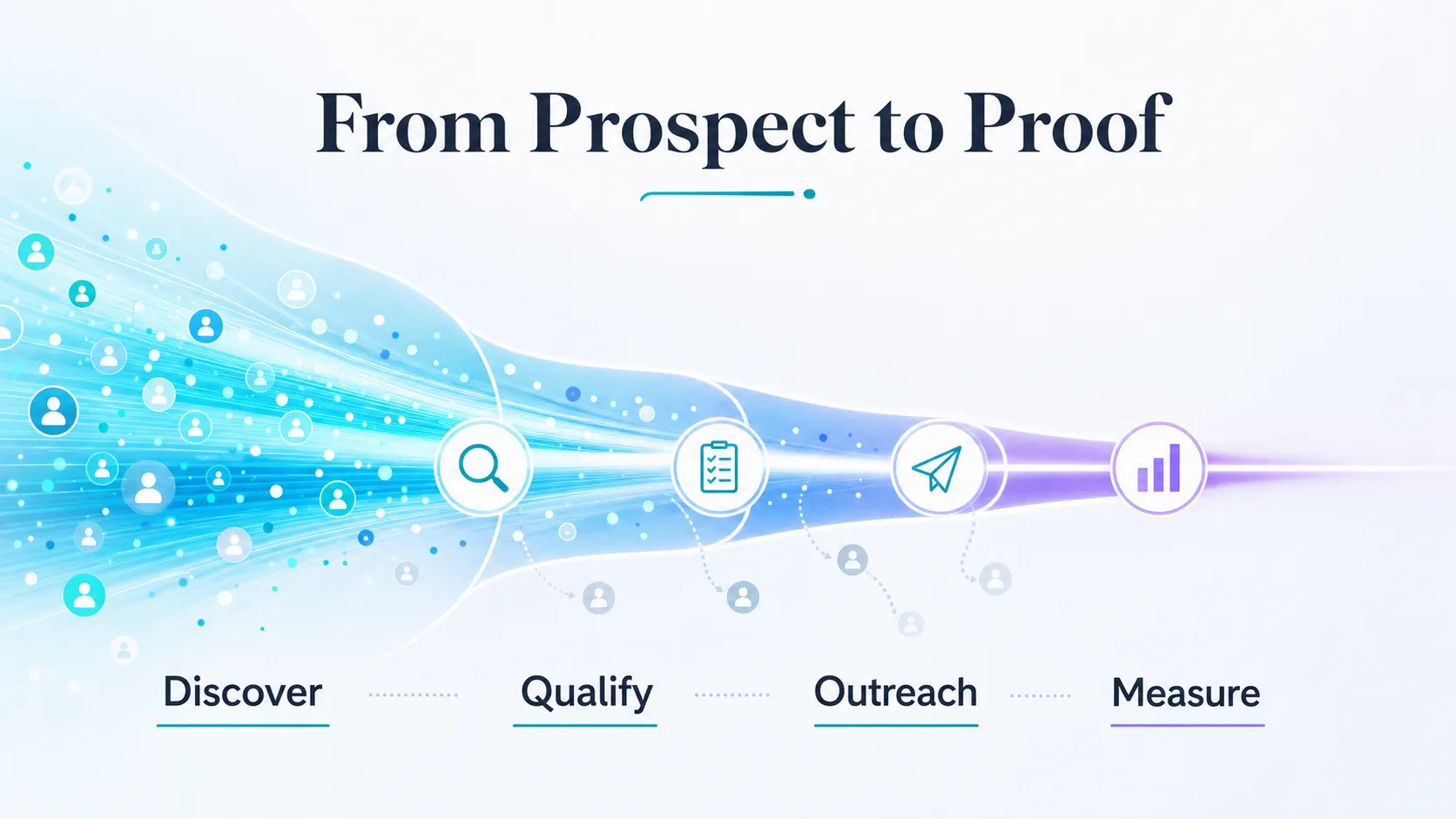
- Discover opportunities. Pull competitor backlinks, find unlinked mentions of your brand, scan resource pages, watch journalist requests, and list publishers relevant to your topic.
- Qualify each target. Check topic fit, real traffic, authority, and whether placements live in main content rather than thin or spammy pages.
- Choose the tactic. Match the opportunity to the method: a guest post, a PR pitch, a mention reclamation email, a broken link replacement, or a contextual insertion.
- Create the value exchange. Offer something worth linking to: useful content, original data, expert input, or a stronger replacement resource.
- Run outreach and review placement. Send a personalized pitch, confirm the link goes live as agreed, and check the anchor and context.
- Measure results. Track referring domains, ranking movement, and referral traffic, not just the raw link count.
Each tactic in step three deserves its own explanation, which is where the next section goes. For the mechanics of a campaign that actually gets replies, the steps in running a reply-worthy outreach campaign go deeper than space allows here.
Key Link Acquisition Methods
Different methods produce different link profiles. Some scale quickly, others deliver stronger editorial credibility, and the right mix depends on your niche, budget, and content strength. The comparison below sets out the major methods, then the prose underneath explains when each fits.
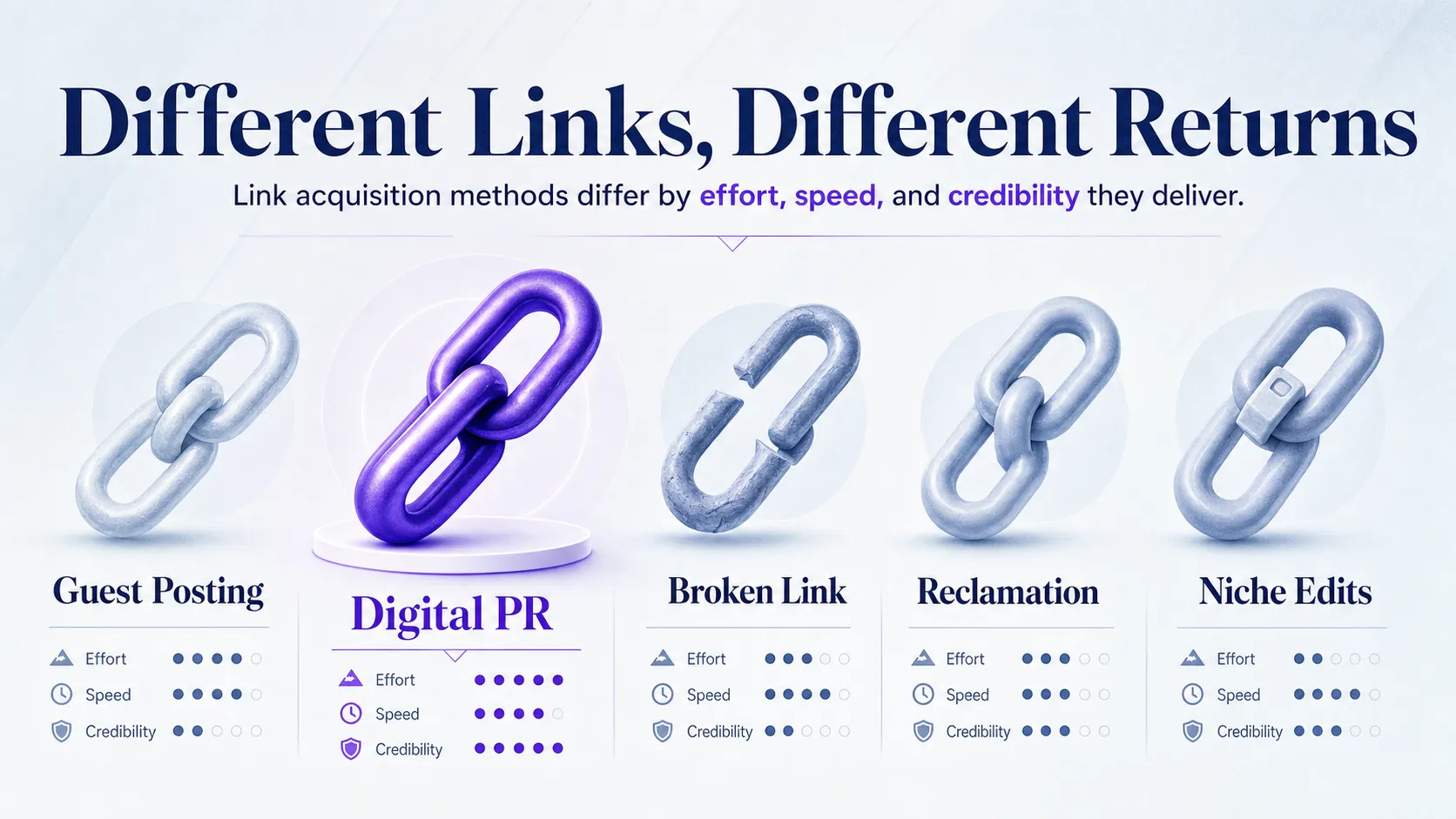
| Method | Effort | Speed to results | Best use case |
|---|---|---|---|
| Guest posting | Medium | Moderate | Building topical authority in your niche |
| Digital PR | High | Variable | Earning high-credibility editorial coverage |
| Broken link building | Medium | Slow to moderate | Replacing dead resources with yours |
| Mention reclamation | Low | Fast | Converting existing brand mentions to links |
| Niche edits / insertions | Low | Fast | Adding contextual links to published content |
| Content-led earning | High upfront | Slow, compounds | Attracting links over time without pitching |
Guest Posting
Guest posting is publishing an article on a relevant external site that includes a link back to your page. It works when the host site is topically aligned and has a real audience, because the link carries editorial relevance. It’s a steady way to build authority in your niche, though quality varies wildly by publisher, so vetting matters. The patterns that separate strong programs from spam are covered in choosing guest posting providers worth using.
Digital PR
Digital PR earns links by creating newsworthy content, original data, or expert commentary that journalists and editors want to cover. When it lands, it produces some of the most credible links available because they sit inside genuine editorial coverage. It’s the highest-effort method and the hardest to predict, but the credibility is hard to match. The trade-offs of working with PR-led link building partners are worth weighing before you commit budget.
Broken Link Building
Broken link building finds dead outbound links on relevant pages and offers your resource as the replacement. You help the site fix a problem while earning a contextual link. It works best when your replacement genuinely matches what the dead link pointed to, and it tends to be slow because most prospects never reply.
Unlinked Brand Mention Reclamation
Mention reclamation turns existing brand mentions into links by asking the publisher to add a link to a place where your brand is already named. It’s one of the fastest wins available because the site already chose to mention you, so the ask is small. The workflow for finding and converting these sits in turning unlinked mentions into links.
Niche Edits and Link Insertions
Niche edits, also called link insertions, place a contextual link inside an existing published article rather than a new post. They’re fast because the content already exists and already ranks. They’re useful when the host page is relevant and the insertion reads naturally, but they lose value the moment the placement feels forced or unrelated.
Resource Page Outreach
Resource page outreach targets curated lists of useful links on a topic and pitches your page for inclusion. These pages can be strong opportunities when they’re tightly relevant and actively maintained. The link sits among other vetted resources, which lends it context, but many resource pages are stale, so qualification matters as much here as anywhere.
Content-Led Link Earning
Content-led earning builds linkable assets, like original research, tools, or definitive guides, that attract links over time without repeated manual pitching. It demands heavy upfront work and patience, since links accumulate gradually. The payoff is a profile that compounds, because a strong asset keeps earning links long after you publish it. For a fuller breakdown of which approaches deliver, the tested link building methods worth your time compares them directly.
What Makes a Good Link vs. a Bad One
Judging a link opportunity before you invest is the single most valuable skill in acquisition. A smaller set of topical, editorially placed links almost always beats a larger batch of weak placements. Run every prospect through this checklist before you commit time or money.
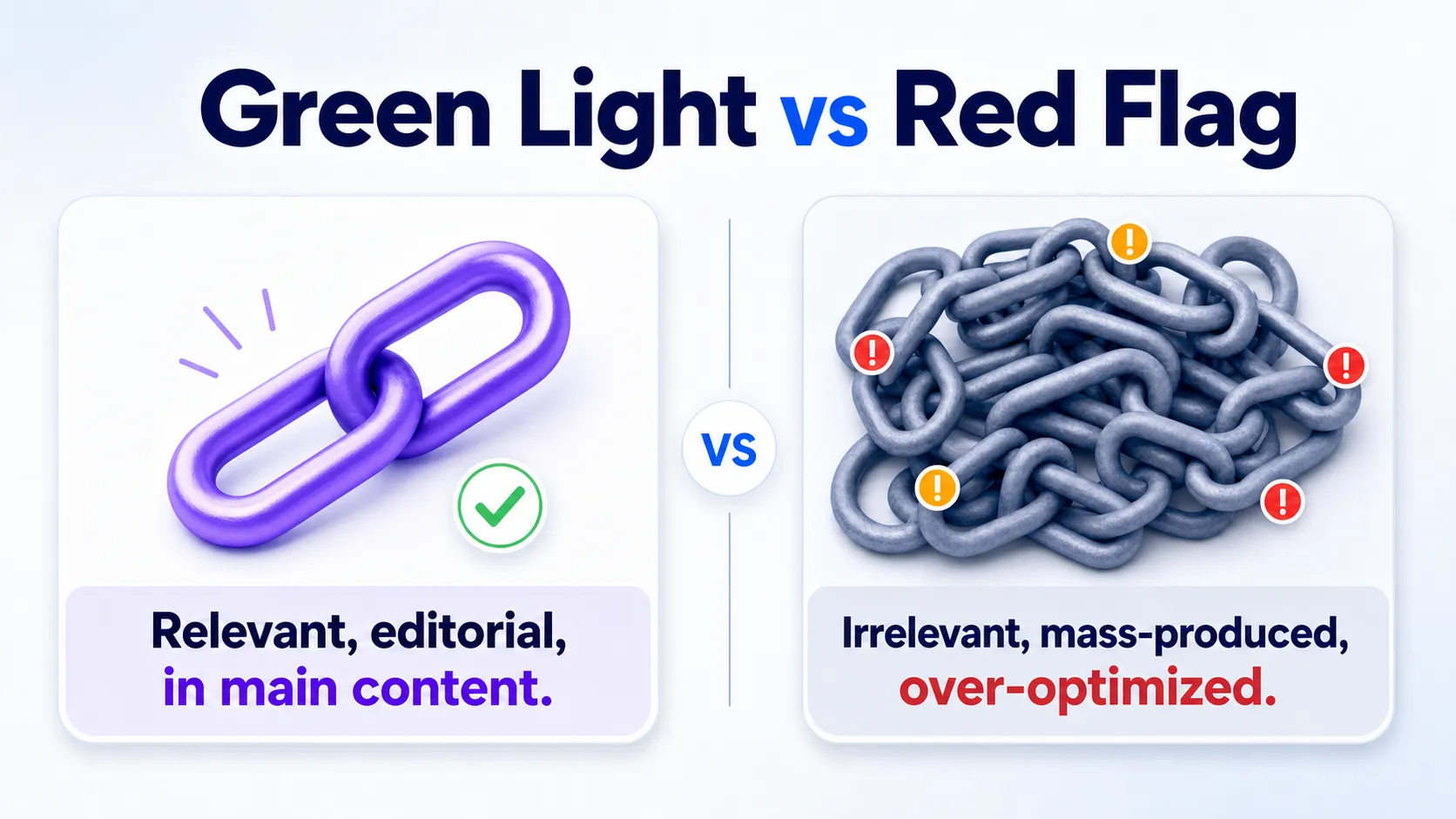
- Relevance first. The linking page and site should match your topic or audience before anything else.
- Real authority. Judge it through actual traffic and editorial trust, not a raw score alone.
- Main-content placement. The link should sit in the body, not a footer, sidebar, or thin page.
- Natural anchor text. Descriptive, contextual anchors outperform obvious keyword stuffing.
- Healthy context. Check the surrounding paragraph, the page’s outgoing link profile, and overall page quality.
- No spam indicators. Avoid irrelevant domains, mass-produced content, over-optimized anchors, link farms, and suspicious sitewide placements.
One nuance trips up a lot of marketers: a nofollow link is not automatically useless. When it comes from a relevant, high-visibility page that real people read, it still drives traffic and brand discovery, even if it passes less direct ranking signal. Relevance and readership outrank the follow attribute on its own. The deeper read on how authority signals actually behave sits in the difference between trust flow and citation flow.
See where AI answers put your brand
Twenty minutes with a senior strategist: where the major engines point buyers in your category, who gets named instead of you, and a straight read on what a programme would change.
Book a strategy callCommon Mistakes and Misconceptions
Most failed campaigns optimize for volume and speed instead of editorial fit and durability. These are the misunderstandings that waste the most budget.
- Treating all backlinks as equal when relevance and placement decide a link’s worth.
- Assuming more links automatically produce better rankings, which ignores quality entirely.
- Confusing link acquisition with buying links or paying for manipulative placements.
- Expecting immediate ranking jumps from a single campaign instead of accounting for lag.
- Using low-quality automation or bulk outreach that ignores relevance and burns sender reputation.
- Judging success by link count alone rather than rankings, traffic, and placement quality.
The thread running through all six is the same: durable results come from earning relevant links through ethical, repeatable methods. If you’re choosing between handling this yourself and bringing in help, the practical view in deciding when to run manual link building covers the time and skill the work actually demands.
Building Links That Compound
Link acquisition is a strategic, quality-first practice, not a volume exercise. The goal is to earn relevant backlinks from pages with real readers and topical fit, because authority, context, and editorial placement matter far more than how many links you collect. The strongest profiles come from repeatable, ethical methods applied consistently. Durable acquisition compounds over time rather than spiking briefly and fading. Start with a backlink opportunity audit, then choose the tactics that match your niche, budget, and content strength.
Frequently Asked Questions
What is the difference between link building and link acquisition?
Link building is the broad strategy of growing your backlink profile, while link acquisition is the execution side: the actual work of securing specific links. In practice the terms overlap heavily, and many people use them interchangeably. The useful distinction is that “acquisition” emphasizes a deliberate, repeatable process of pursuing and landing chosen links rather than the wider goal of having more of them.
Is link acquisition safe for SEO?
Link acquisition is safe when you earn relevant, editorial links through ethical methods like outreach, PR, and reclamation. It becomes risky when it crosses into buying links, mass automation, or manipulative placements on spammy sites. Picture two campaigns: one earns ten contextual links from sites your audience reads, the other buys a hundred from a link farm. The first builds durable authority, the second invites trouble.
How do you know if a backlink is high quality?
A high-quality backlink comes from a topically relevant page with real traffic and editorial trust, sits in the main content, and uses natural anchor text. Check the surrounding context and the page’s outgoing link profile too. If the link would still make sense to a reader who knew nothing about SEO, it’s likely a good one.
How many backlinks do you need to rank?
There is no fixed number, because ranking depends on competition, content quality, and the relevance of each link rather than a target count. A handful of strong, relevant links can outperform dozens of weak ones. Focus on closing the quality gap against the pages already ranking for your target query, not on hitting an arbitrary total.
Which link acquisition method works best for new websites?
Mention reclamation and content-led earning tend to suit new sites best. Reclamation is fast and low-effort when your brand already gets named somewhere, and a single strong linkable asset can attract links without constant pitching. New sites usually struggle with cold outreach because they have little authority to offer in return, so leading with genuinely useful content shifts the odds in your favor.
The fastest way to act on this is to audit where you already have link opportunities, then match tactics to your niche, budget, and content strength. Find the unlinked mentions you can convert first, since those are the quickest wins on the board. Build from there with the methods that fit your situation, and let the relevant links compound.