
Somebody wrote your brand name into an article and didn’t link it. Unlinked brand mentions are the cheapest link opportunity you will ever work, because the hard part is already done. Someone decided you were worth writing about.
This guide covers the whole job in one place. What counts as a mention, how to find them free and at scale, how to check one is genuinely unlinked, which deserve your time, how to ask, and how to follow up without becoming a nuisance.
It’s written for people who’ll actually run the sweep, so it’s ordered the way the work happens. If you only have an afternoon, the 45-day sprint at the end is the short version.
What Counts as an Unlinked Brand Mention?
An unlinked brand mention is any textual reference to your brand, product, service, or key people on a third-party website that doesn’t include a hyperlink pointing to your domain. The site has acknowledged your brand’s relevance, they just haven’t connected it to your URL.
| Mention Type | How to Recognize It | Reclamation Action |
|---|---|---|
| Company name mention | Your brand appears in an article, roundup, or review with no link to your domain | Ask the author to link the first brand mention to your homepage or a relevant page |
| Product or service reference | A specific offering is named but not linked | Request a link from the product name to its dedicated product or service page |
| Executive or spokesperson citation | A founder, expert, or team member is quoted or referenced without a link | Request a link to an author bio, About page, or profile page |
| Misspelled brand reference | A common typo of your name appears unlinked or points to a non-existent domain | Flag the typo and ask for both a correction and a working link to your domain |
| Unattributed image usage | Your original graphic, infographic, or logo appears with no link back | Request source attribution linking the image to the original post or asset |
| Social profile link only | The mention links to your LinkedIn, Twitter/X, or other social account instead of your site | Ask to add or swap in a link to your website alongside the social link |
Common types include:
Company Name Mentions
Your brand appears in an article, roundup, or review without a link
Product or Service Name References
Someone discusses your specific offering by name
Executive or Spokesperson Citations
A founder or team member is quoted or referenced
Misspelled Brand References
Common typos of your brand name link to a non-existent domain or nowhere at all
Image Usage Without Attribution Links
Your original graphics, infographics, or logos appear on another site with no link back
Social Profile Links Instead of Website Links
A mention links to your LinkedIn, Twitter/X, or other social account rather than your domain
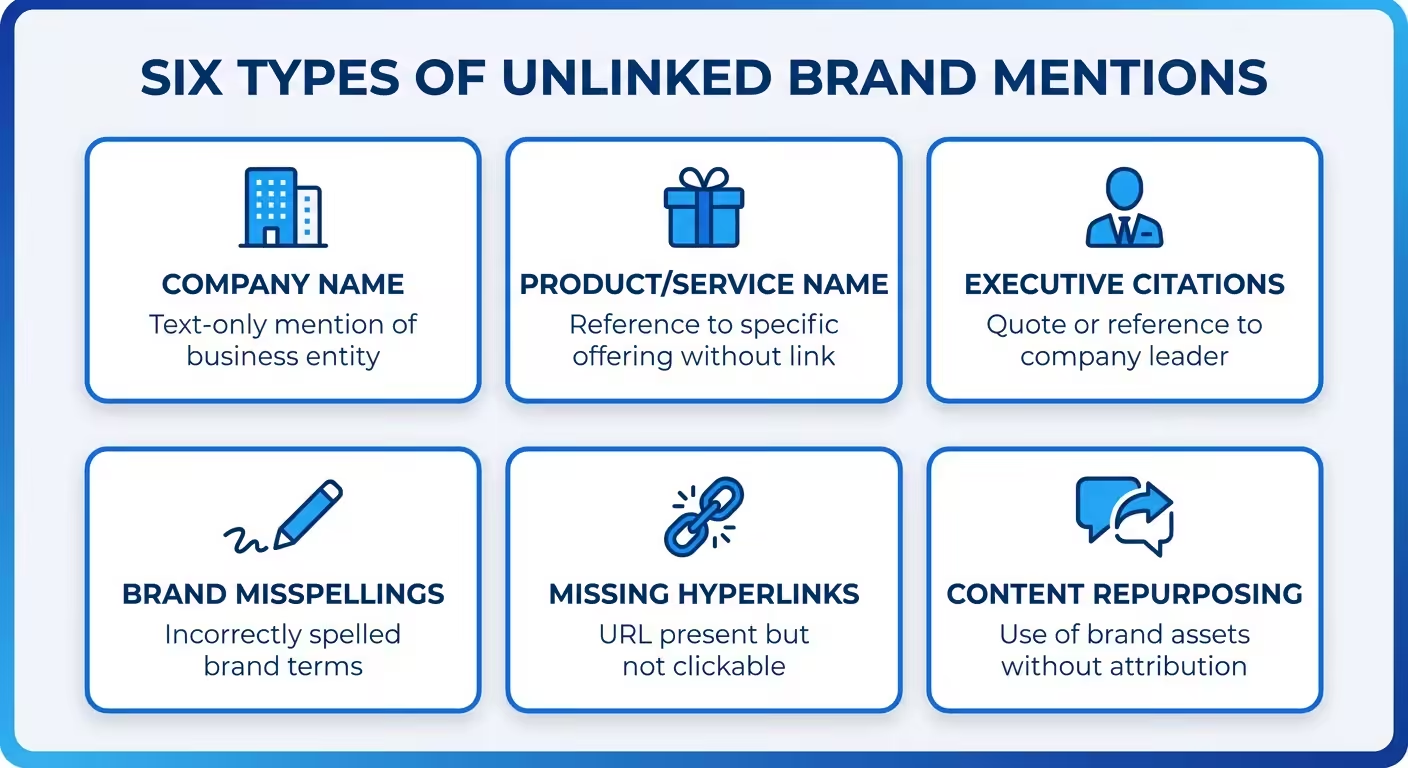
Each of these represents a conversion opportunity, a site that already knows your brand and may be willing to add a link with minimal friction.
Six Types of Unlinked Mentions You Should Search For
Brand name mentions are only one of six asset types worth searching for. The other five are where the volume usually hides.
1. Brand Name Mentions
The most common type. Any editorial reference to your company name, in blog posts, news articles, roundups, or resource lists, that doesn’t hyperlink to your domain.
2. Product or Service Names
If your products have distinct names, they get mentioned independently. Think “Ahrefs Content Explorer” or “HubSpot CRM.” These mentions often appear in reviews, comparison articles, and tutorials, and linking them directly to the product page sends equity where it matters most for commercial keywords.
3. Key People
CEOs, founders, subject-matter experts, and spokespeople frequently get quoted or referenced in articles without a link back to the company. Search for full names of anyone in your organization who has been interviewed, quoted in press, or cited in industry content.
4. Campaign Data and Statistics
If you’ve published original research, survey data, or proprietary statistics, other sites often cite the numbers without linking to the source. A unique data point, like a specific dollar figure or percentage, makes these easy to find through exact-match searches.
5. Historical Brand Names
Companies that have rebranded still have content referencing the old name. If your organization was previously known by a different name, search for both versions.
6. Images and Visual Assets
Infographics, charts, proprietary illustrations, and photographs get embedded on other sites without attribution. Reverse image search tools can uncover these.
Pro Insight: Before you start searching, create a master list of every searchable asset. Include your brand name, all product names, key personnel full names, any common misspellings, campaign titles, unique statistics, and your social media handles. This list becomes your search inventory.
Why Unlinked Brand Mentions Matter More in 2026
The Traditional SEO Value
Backlinks remain one of Google’s strongest ranking signals. An unlinked mention is a missed backlink, and often one of the easiest links you’ll ever earn. The author already considers your brand relevant enough to reference. You’re not pitching from scratch. You’re asking for a small editorial addition.
In a 2022 Google SEO Office Hours episode, John Mueller stated that unlinked mentions “aren’t links” and don’t pass link equity the way hyperlinks do. That hasn’t changed. The raw SEO value of a mention without a link is limited compared to a proper backlink.
But the act of converting that mention into a link is valuable. You’re targeting sites that have already validated your brand editorially, which means your outreach conversion rate will be significantly higher than cold link-building campaigns.
The AI Visibility Dimension
Here’s what’s shifted since 2024-2025: unlinked mentions now carry a second layer of strategic value that most SEO guides still ignore.
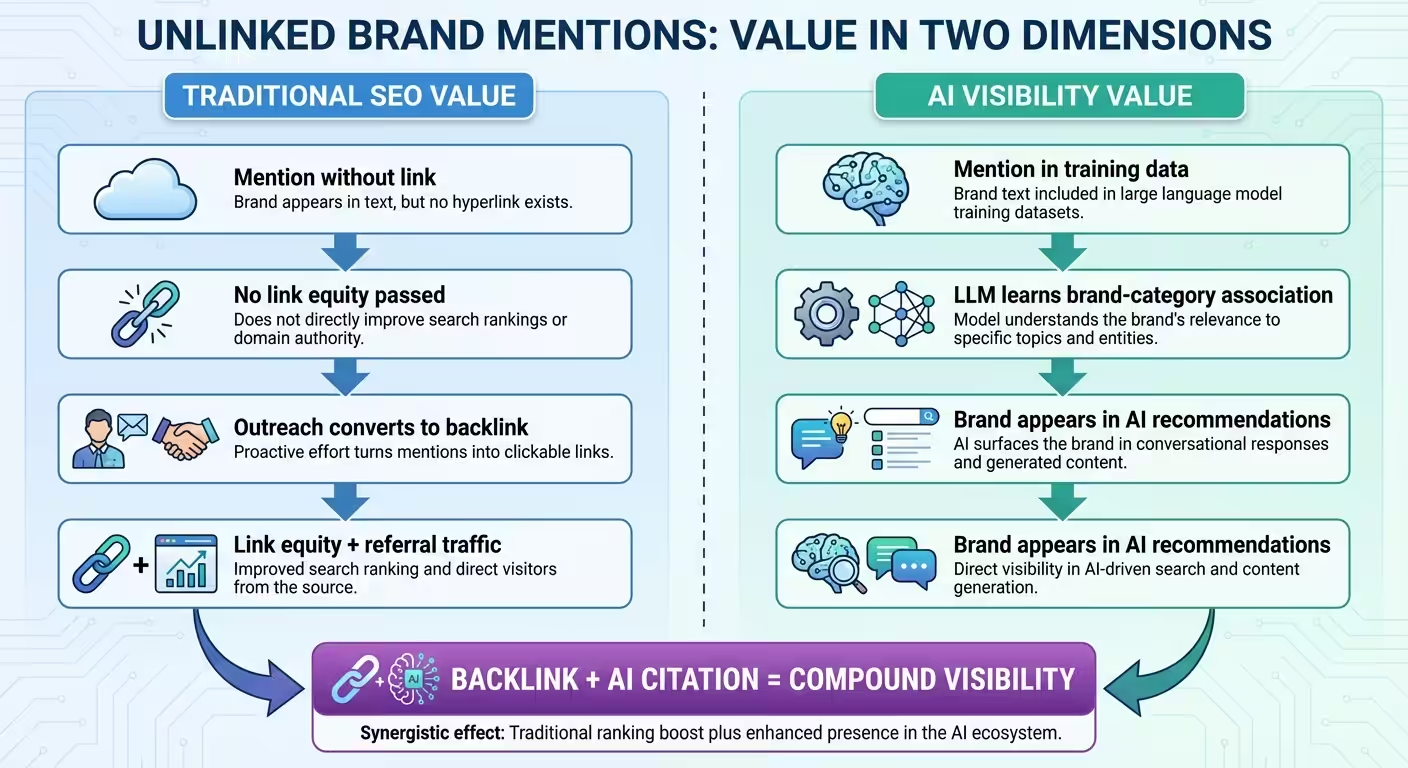
Large language models like GPT-4o, Gemini, and Claude build brand-category associations from the editorial content they encounter during training. When your brand appears repeatedly in high-authority articles alongside specific topics, products, or industry terms, AI models learn to associate your brand with that category, regardless of whether a hyperlink exists.
Language models learn which entities belong together from how often, and in what context, they appear together in training data. So a brand mentioned across 50 high-authority publications in the context of “email marketing for B2B SaaS” likely builds a stronger category association than a brand mentioned twice on low-traffic blogs.
This means every unlinked brand mention on a quality publication contributes to your AI brand visibility, even before you convert it into a backlink.
The ideal scenario: convert unlinked mentions into backlinks to capture both the SEO link equity and the ongoing AI training value of a well-placed editorial citation.
Unlinked Mentions and AI Visibility: What Has Changed Since 2024
The relationship between brand mentions and AI recommendations has accelerated significantly since 2024. Several developments have made unlinked mentions more strategically important than before:
AI Models Now Use Retrieval-Augmented Generation (RAG) at Scale
ChatGPT, Perplexity, and Gemini pull from live web content to supplement their training data. Pages that mention your brand, even without links, appear in the retrieval corpus these models query when generating answers.
Entity Authority Compounds Across Mentions
The more consistently your brand appears alongside specific topics on high-quality sites, the stronger the association AI models form. This is entity authority, and it determines whether AI recommends your brand when a user asks “What is the best [product category]?”
Google AI Overviews Cite Web Sources
When Google’s AI Overview generates an answer and cites sources, the cited pages are often ones that mention brands with clear, contextual relevance. Converting unlinked mentions into linked mentions makes it easier for both Google’s traditional crawlers and its AI systems to trace the attribution path.
But regardless of whether you build mentions proactively or reclaim existing ones, the goal is the same: build consistent brand-topic associations across the web so that both search engines and AI models recognize your authority.
Key Definition: Entity authority is the strength of the association between your brand and a specific topic or category, as understood by search engines and AI models. It’s built through consistent, contextual mentions across high-quality web content over time.
For a deeper look at how brand mentions influence AI-generated responses, BrandMentions publishes ongoing research on AI citation behavior across ChatGPT, Perplexity, Gemini, and Google AI Overviews.
What You Need Before You Start
Set up your inputs before you prospect anything. The teams that win at this treat it as a repeatable pipeline, not a one-off afternoon of Googling. Five things go on the table first.
- A full brand set to monitor: brand name, product names, founder and executive names, your slogan, and common misspellings.
- At least one monitoring source and one search source, so the workflow never depends on a single tool.
- A tracker with columns for source URL, mention text, publication date, contact name, priority score, outreach status, and link outcome.
- A clear owner for outreach and one inbox where replies land.
- A rule that you track variations from day one, because exact-match brand tracking misses the easiest wins.
Start with multiple brand variants, not just the company name. In practice, the fastest conversions often come from a misspelled product name or a founder mentioned in an interview, because those mentions slip past the brand’s own monitoring and sit unclaimed. A page that names your CEO in a podcast writeup but never links your site is a clean, easy ask.
If you are deciding which monitoring tool to start with, a head-to-head breakdown helps narrow the field before you commit budget. Our brand mention monitoring tools comparison covers what each one actually catches.
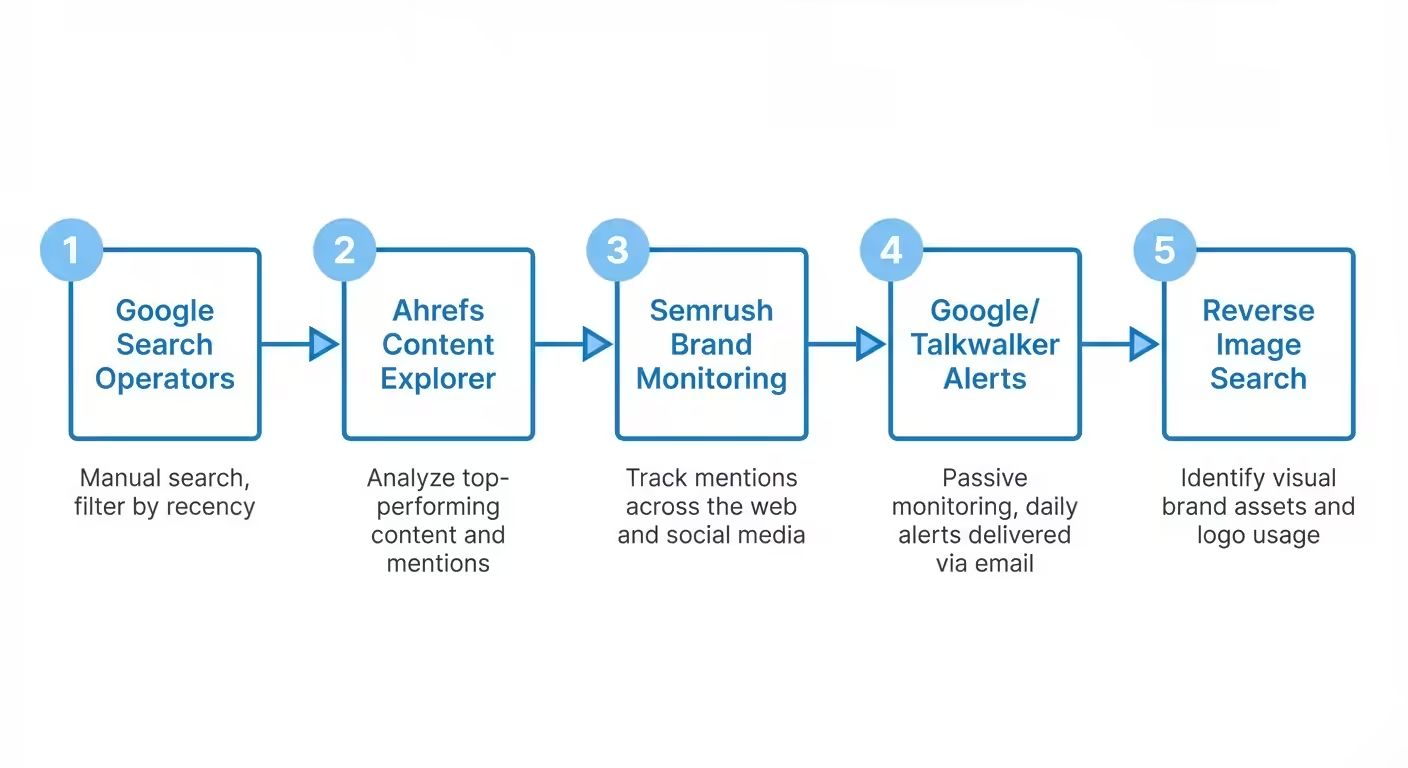
Five Methods to Find Unlinked Brand Mentions
Method 1: Google Search Operators
The simplest approach requires no paid tools. Use Google’s advanced search operators to surface pages that reference your brand.
Start with a basic query:
"Your Brand Name" -site:yourdomain.com
Refine by excluding social platforms and press release syndication sites that typically can’t be edited:
"Your Brand Name" -site:yourdomain.com -site:twitter.com -site:facebook.com -site:linkedin.com -site:youtube.com -site:prnewswire.com -site:businesswire.com
Use Google’s Tools > Any time dropdown to filter by recency. Recent mentions, published within the past week, have much higher outreach conversion rates than older content.
Action step: Save your refined search query in a document. Run it weekly. For each result, press Ctrl+F (or Cmd+F) on the page and search for your domain. If it’s not hyperlinked, add it to your prospect list.
Method 2: Ahrefs Content Explorer
If you need to process hundreds or thousands of mentions, Ahrefs Content Explorer offers significant time savings over manual Google searches.
- Open Content Explorer and enter your brand name in quotes
- Select “In content” from the search mode dropdown
- Click “Highlight unlinked” and enter your domain
- Filter results by Domain Rating (30+), organic traffic (100+ monthly visits), and language
- Export only the highlighted (unlinked) domains
The “Highlight unlinked” feature isn’t perfectly accurate, some results may already link to you. You’ll still need to verify manually, but this cuts your prospecting time by roughly 70-80%.
Method 3: Semrush Brand Monitoring
Semrush’s Brand Monitoring tool takes a different approach. Rather than searching retroactively, it tracks mentions over time and flags new ones as they appear.
Set up your brand name as a monitored query. Filter for mentions without backlinks to isolate unlinked references. The tool also provides sentiment analysis, which helps you avoid reaching out about negative mentions.
The timing advantage here matters. Fresh mentions, content published within the last 48 hours, convert at significantly higher rates because the content is still being actively managed by the author or editor.
Method 4: Google Alerts and Talkwalker Alerts
For ongoing, passive monitoring, free alert tools work well as a supplement to periodic manual searches.
Google Alerts: Go to google.com/alerts, enter your brand name in quotes, set frequency to daily, sources to Automatic, and results to “All results.” You’ll receive email notifications when new mentions appear.
Talkwalker Alerts: Offers more advanced filtering than Google Alerts. Set result types to News and Blogs specifically, forum mentions rarely convert into link opportunities.
Create separate alerts for:
- Your primary brand name
- Common misspellings
- Key product or service names
- Executive names + brand name
Pro tip: Use quotation marks around multi-word phrases to avoid irrelevant alerts. A brand named “Vertical Measures” without quotes would trigger alerts for any page containing both words separately.
Method 5: Reverse Image Search
If your brand produces original graphics, infographics, data visualizations, or photography, other sites may embed your images without attribution or a link.
Right-click your original image and select “Search image with Google” (or upload it to Google Images). Review “Exact matches” first, then “Visual matches.” For each result, check whether the site credits you with a link.
This method uncovers mentions that text-based searches miss entirely. Sites using your visuals have already found your content valuable, the outreach pitch is straightforward.
How to Find Unlinked Brand Mentions for Free
You don’t need a paid tool to start. Google provides two effective free methods that work well for small-to-mid-sized brands.
Google Search Operators
Use advanced search operators to find pages that mention your brand but live outside your own domain.
The base search format:
"Your Brand Name" -site:yourdomain.com
This returns external pages that reference your brand name as an exact phrase. Refine it further by excluding social media platforms and other irrelevant domains:
"Your Brand Name" -site:yourdomain.com -site:twitter.com -site:facebook.com -site:linkedin.com -site:youtube.com -site:pinterest.com
Use the intext: operator for broader discovery:
intext:"Your Brand Name" -site:yourdomain.com
Action step: Run this search for every item on your master list, brand name, product names, key people, and unique data points. Use Google’s date filter to focus on recent mentions first (past week, past month), as authors are more responsive to outreach on recently published content.
Google limits visible results to roughly 500, even for queries with thousands of matches. For larger brands, this method works best as a starting point or a supplement to paid tools.
Google Alerts for Ongoing Monitoring
Google Alerts sends you email notifications when new content matching your search terms appears in Google’s index.
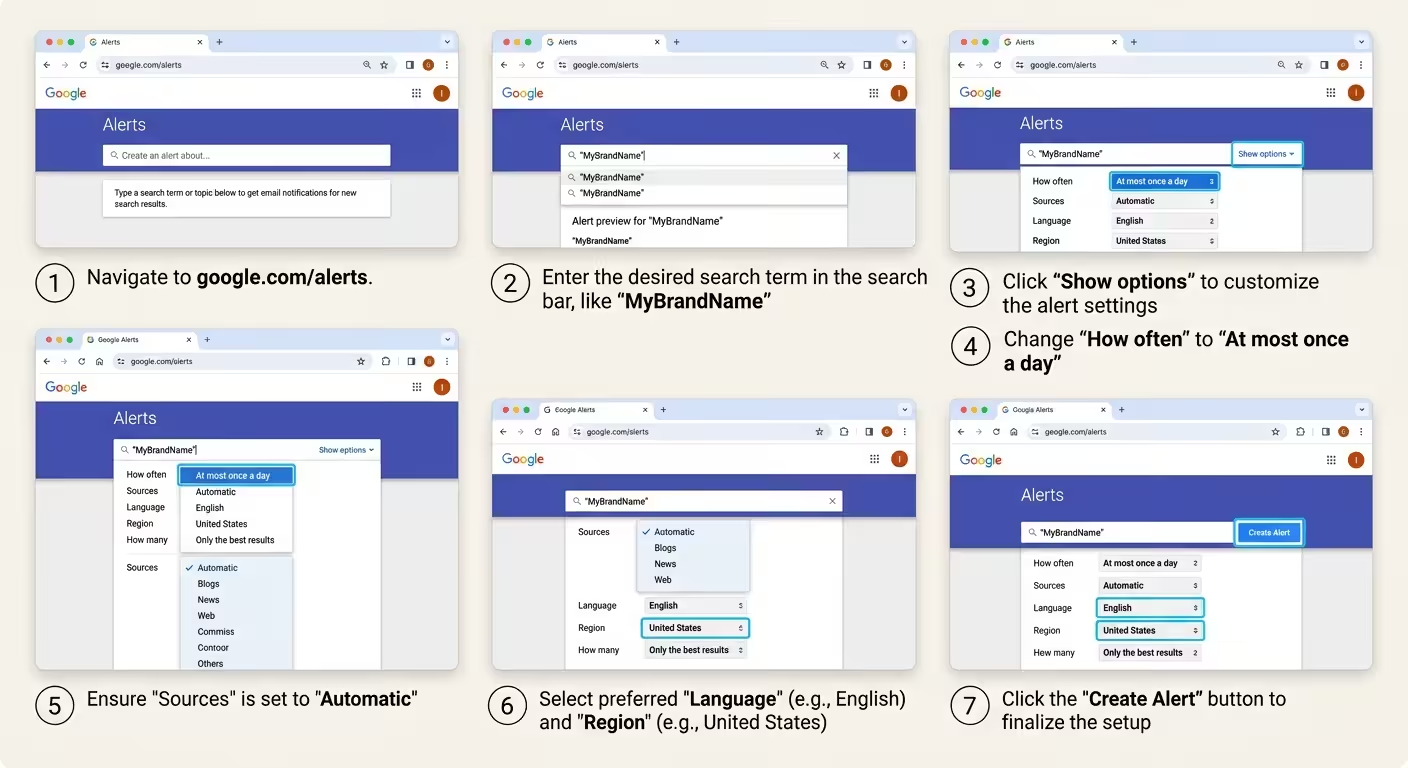
Set up alerts for:
- Your brand name (in quotes for exact match)
- Product names
- Key personnel names
- Campaign titles or unique statistics
- Common misspellings of your brand
You can combine terms using the OR operator (capitalized) to consolidate alerts:
"Brand Name" OR "Product Name" OR "CEO Full Name"
Set the frequency to daily or weekly, depending on how often your brand is mentioned. Google Alerts is free but imperfect, it misses some mentions, especially from smaller sites. Use it as a supplement, not your only monitoring system.
How to Find Unlinked Mentions at Scale with Paid Tools
For the Ahrefs-specific workflow with filter order and prioritization criteria, our guide on unlinked brand mentions in Ahrefs breaks down the exact Content Explorer settings to use.
For brands with significant web presence or those managing brand mentions for SEO, paid tools dramatically increase efficiency and coverage.
Ahrefs Content Explorer
Ahrefs Content Explorer searches a database of billions of pages for any keyword or phrase. It’s one of the most effective tools for finding unlinked brand mentions.
Step-by-step process:
- Open Content Explorer and search for your brand name with the exclusion operator:
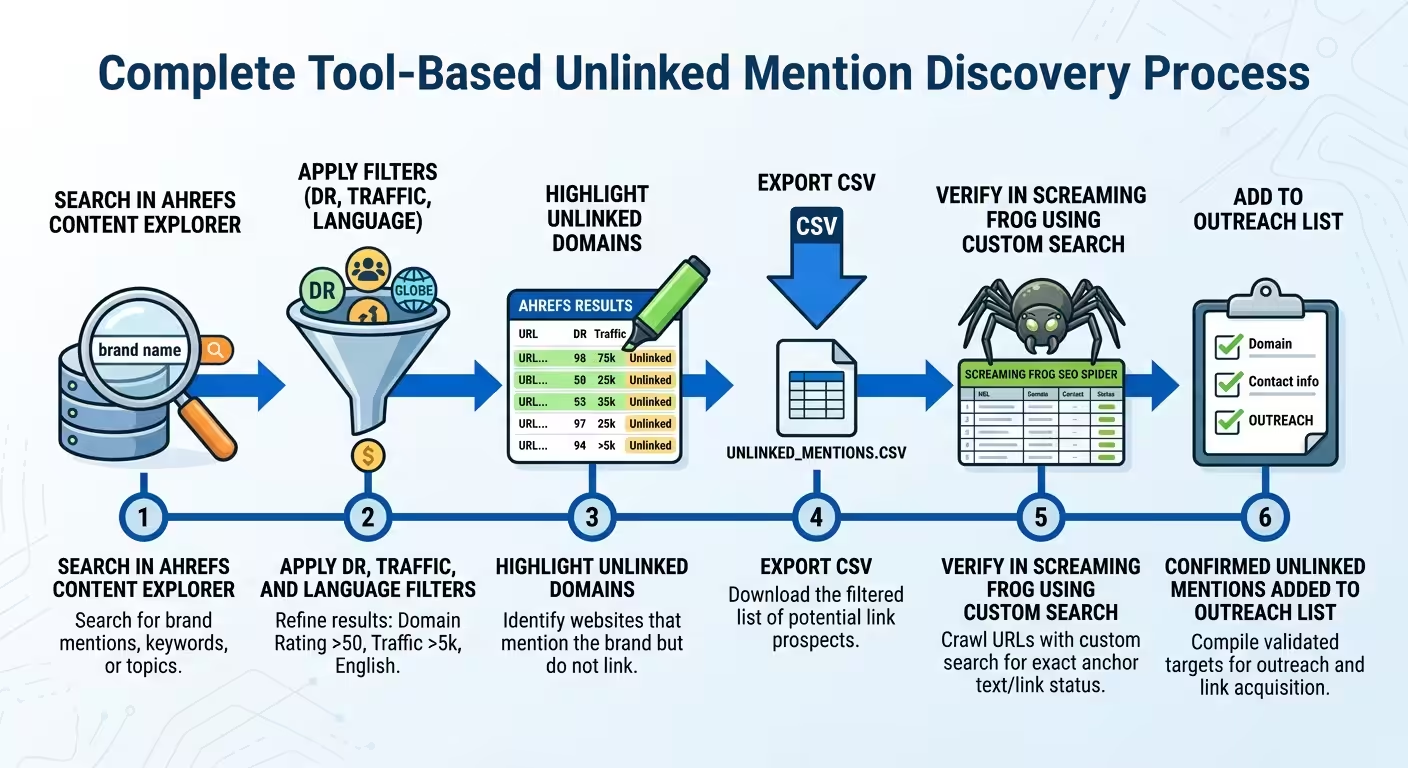
"Your Brand Name" -site:yourdomain.com - Apply filters to narrow results: set language to English, Domain Rating (DR) to 30+, and organic traffic to at least 50 visits per month. This eliminates low-quality pages not worth pursuing.
- Click “Highlight unlinked domains” and enter your domain. Ahrefs will flag every result from a domain that has never linked to you, these are your highest-priority targets for new referring domains.
- Export the results to CSV. Check the “Only highlighted unlinked domains” option if you want to focus exclusively on domains with no existing link relationship.
The export gives you a list of pages mentioning your brand. But not all of them are truly unlinked, some may mention your brand name while also linking to you elsewhere on the page. You need a verification step.
Verifying Unlinked Mentions with Screaming Frog
Screaming Frog’s custom search feature lets you crawl a list of URLs and check whether any of them contain a link to your domain in their HTML source code.
- Open Screaming Frog and go to Configuration to Custom to Search.
- Select “doesn’t Contain” and enter this regex pattern:
<a [^>]*bhrefs*=s*"([^"]*yourdomain.com[^"]*), replacingyourdomain.comwith your actual domain. - Set the crawl mode to List (Mode to List), then paste or upload your exported URLs.
- Run the crawl. When complete, go to the Custom Search tab and filter for “doesn’t Contain.” These are pages that mention your brand but don’t include any hyperlink to your domain.
This verification step typically reveals that 25-35% of pages mentioning your brand are truly unlinked, the rest already link to you somewhere on the page.
Semrush Brand Monitoring
Semrush’s Brand Monitoring tool automatically discovers web mentions across news sites, blogs, forums, and social platforms. Its key advantage is a built-in backlink filter, you can instantly toggle to show only mentions that don’t include a link to your site.
Additional filters include domain authority, sentiment (positive, negative, neutral), and date range. The sentiment filter is particularly useful: you generally want to pursue positive and neutral mentions for backlink outreach and flag negative mentions for reputation management.
Social Media Profile Backlinks
Some authors link to your social media profiles (Twitter, LinkedIn, Instagram) instead of your main domain. To find these, enter your social profile URLs into Ahrefs Site Explorer and review the Backlinks report. Export the referring pages and run them through Screaming Frog to check whether any also link to your main domain. Pages that link to your social profile but not your website are strong outreach candidates, the author already intended to reference your brand.
Reverse Image Search for Visual Assets
If your brand produces original images, infographics, charts, or photography, these may appear on other sites without attribution. Use Google Lens (right-click any image in Chrome and select “Search Image with Google”) or TinEye to find where your images have been embedded. Any unattributed image is a candidate for outreach requesting a credit link.
Typo and Misspelling Search
Authors frequently misspell brand names in URLs, anchor text, or body copy. A link pointing to yourdmain.com instead of yourdomain.com means you aren’t receiving the link equity. Use a domain typo generator to create a list of common misspellings, then check each in Ahrefs Batch Analysis to see if any have backlinks. These are among the easiest outreach wins, the author already intended to link to you and simply made a typo.
How to Verify the Mention Is Truly Unlinked
Verify every mention before outreach, because chasing a page that already links to you wastes the publisher’s goodwill and your time. A search snippet or cached preview lies often enough that you check the live page or you check nothing. Five quick checks separate real opportunities from noise.
Step 1: Open the Live Page
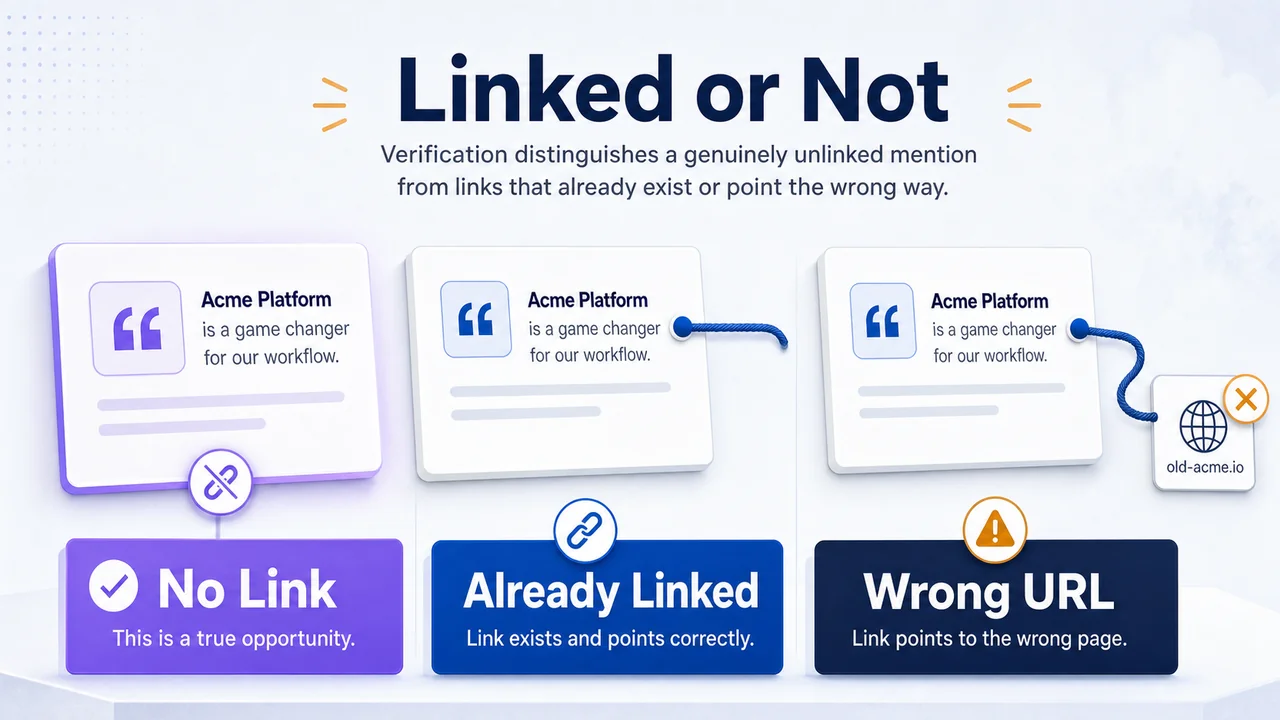
Load the actual published page, not the search result or a cached version. Pages get edited, links get added, and your snippet might be months stale. Open it, find the mention with a quick page search for your brand name, and look at whether that text is hyperlinked.
Step 2: Confirm the Link Points to You
If a link exists, check where it goes. Some pages link your brand name to a redirect, an outdated URL, or even a competing property they confused with you. A mention that links to the wrong destination is still an opportunity, just a different one: you are asking for a correction, not a new link.
Step 3: Separate Editorial From User-Generated Content
Editorial mentions inside an article are worth pursuing. Comment sections, forum threads, and user reviews rarely are, because no editor controls them and the link carries little weight even if added. Flag user-generated mentions and move them to the bottom of the list.
Step 4: Tell a Missing Link From a Broken Link
A missing link means the brand is named with no hyperlink at all. A broken link means there is a link, but it points to a dead page. Broken links are often the easier request, because you are helping the publisher fix something already broken on their page rather than asking them to add something new. Flag these separately, because they convert at a different rate.
Step 5: Note Whether an Existing Link Is Nofollow
If the page already links you with a nofollow attribute, that changes the calculus. The placement still drives referral traffic and brand visibility, but it passes a weaker ranking signal. Decide case by case whether the page is worth a request to upgrade or whether your effort belongs elsewhere.
How to Evaluate Which Mentions Deserve Your Outreach
Not every unlinked mention is worth pursuing. Your time is limited, and some mentions won’t move the needle for either SEO or AI visibility. Prioritize based on these criteria:
Authority and Traffic
Focus on pages with a Domain Rating (or Domain Authority) of 30 or higher. Pages on sites with meaningful organic traffic, at least a few hundred monthly visits, signal that the content is indexed, read, and potentially included in AI training datasets.
A backlink from a DR 65 site with 50,000 monthly visits delivers far more value than links from ten DR 15 sites with negligible traffic.
Editorial Quality and Relevance
Ask these questions before adding a mention to your outreach list:
Is the Content Editorial
Mentions in genuine articles, reviews, and guides are worth pursuing. Mentions in scraped content, auto-generated pages, or thin affiliate sites aren’t.
Is the Mention Contextually Relevant
A positive or neutral reference to your brand within a relevant topic creates the strongest link opportunity.
Does the Page Link to Anyone
If a page doesn’t include any external hyperlinks, the author or site likely has a policy against outbound links. Don’t waste effort.
Is the Mention Negative
Never request a link from content that criticizes your brand. That link carries reputational risk and signals the wrong association to both search engines and AI models.
AI Training Data Potential
This is the evaluation layer most brands miss in 2026. The sites AI retrievers frequently surface for your category tend to share a handful of characteristics:
- High editorial standards and consistent publishing schedules
- Presence in Common Crawl datasets (which most major LLMs use as a training source)
- Strong domain authority and diverse backlink profiles
- Content that AI search engines already cite in responses
When you convert an unlinked mention into a backlink on a site that feeds AI training data, you strengthen both your search rankings and your likelihood of appearing in LLM-generated recommendations.
Key Definition: AI training data potential refers to the likelihood that a publication’s content will be included in the datasets used to train or update large language models like GPT, Gemini, or Claude. High-authority editorial sites with consistent, factual content have the strongest training data potential.
How to Find the Right Contact and Write the Outreach Request
Reach the person who can actually edit the page, then ask in a way that takes them under a minute to approve. The fastest conversions come from short, reader-first requests sent to the right inbox, not long SEO pitches blasted to a generic contact form.
Step 1: Identify Who Can Edit the Page
Find the author, editor, content manager, or webmaster with edit rights. Start with the byline and author page, then the contact or newsroom page, then the person’s profile on professional networks, then the site’s contact form. Save generic inboxes for last, because they convert poorly. If no owner is obvious, contact the most likely editorial operator rather than scattering the request across random departments.
Step 2: Write a Subject Line That Reads as Help, Not a Pitch
Name the specific page or say something like “quick update on your [topic] piece.” A subject that sounds like a link pitch gets ignored or filed as spam. A subject that references their actual content reads as a reader being helpful, which earns the open.
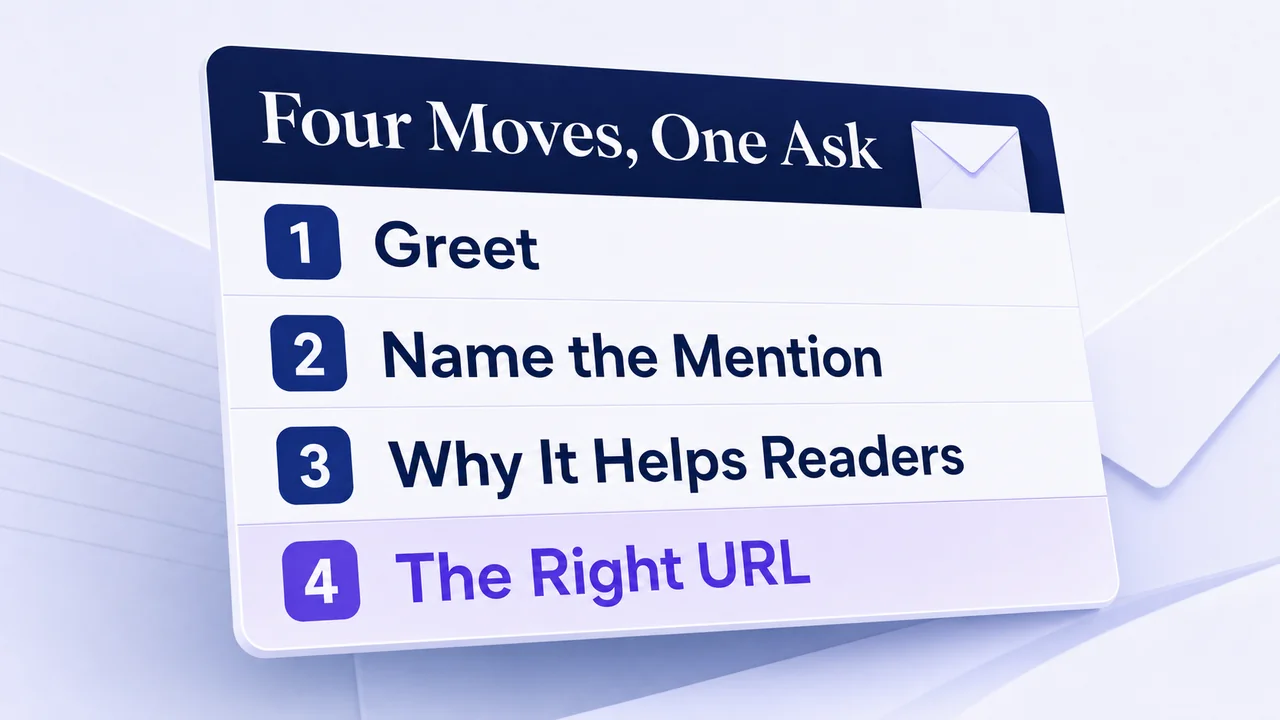
Step 3: Keep the Body to Four Moves
A strong request does exactly four things: greet the person, name the exact mention and where it sits, explain why the link helps their readers, and hand over the correct destination URL. Skip anchor-text requests, skip SEO jargon, and skip anything that reads as mass-emailed. Here is the shape:
Hi [Name], I was reading your piece on [topic] and noticed you mentioned [Brand] in the section on [detail]. Readers clicking through to learn more would land in the right place if it linked to [URL]. Totally your call, and thanks either way for the kind reference.
Short, reader-first requests convert better than long explanations, because they reduce friction for the publisher. The moment your email reads like an SEO favor rather than a useful nudge, the reply rate drops. Lead with their content and their readers, and the link becomes an easy yes.
See where AI answers put your brand
Twenty minutes with a senior strategist: where the major engines point buyers in your category, who gets named instead of you, and a straight read on what a programme would change.
Book a strategy callHow to Follow Up, Handle Replies, and Track Results
Turn replies into live links with a disciplined follow-up cadence and a tracker that records every outcome. Most teams recover a meaningful share of wins on the first follow-up, but only when the prospect list is well prioritized and the ask stays concise.
Step 1: Follow Up on a Set Cadence
Send the first nudge 5 to 7 days after the initial email, then one final nudge 7 to 10 days after that. Keep follow-ups even shorter than the first message: a single line referencing your earlier note is enough. Two follow-ups is the ceiling for most prospects. Past that, you are annoying people, not converting them.
Step 2: Handle Common Replies
If the publisher asks for more context, resend the exact page, the mention snippet, and the destination URL in one tidy message. If they ask for a reciprocal link, decide based on relevance and editorial value, not convenience. If they ask for payment, only proceed when it fits your brand’s rules and risk tolerance, and treat that as a separate decision from earned-link outreach.
Step 3: Accept Partial Wins When They Add Value
A live followed link is the goal, but it is not the only good outcome. A nofollow link, a citation-only update, or a corrected mention can still add value when a full link is not on offer. Take the win, log it accurately, and move on.
Step 4: Track Every Outcome Separately
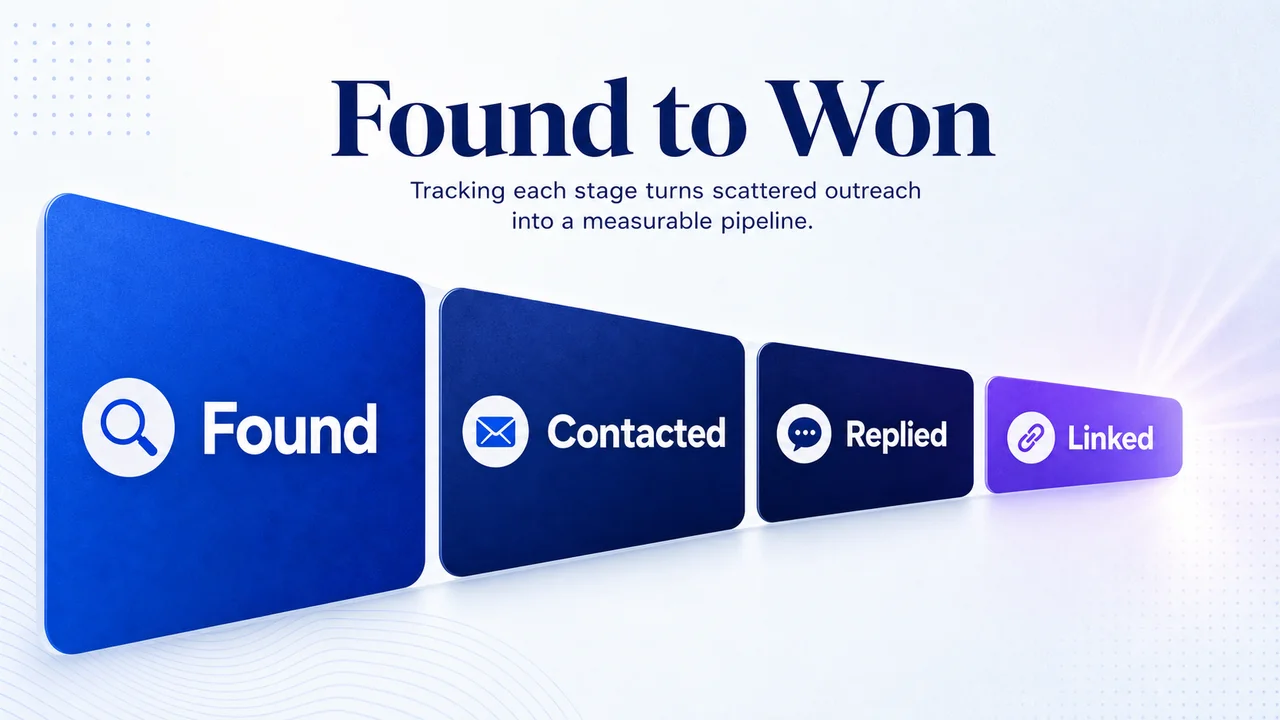
Record found, contacted, replied, linked, nofollow, rejected, and ignored as distinct statuses. Then measure response rate, link conversion rate, and which source types close most often. That data is what makes the next cycle faster, because it tells you where to spend your outreach hours.
Common Mistakes That Waste Your Outreach Effort
The outreach mistake we see most often in unlinked-mention audits is a team that sends the same generic reclamation email to every mention, regardless of publication tier. Editors at category-defining trade titles can spot a template from the first line and quietly filter the sender list. A short, specific note that references the article’s actual argument converts at a materially higher rate than volume, and it preserves the relationship for the next placement.
Reclaiming unlinked mentions is straightforward in concept. In execution, several common errors reduce conversion rates:
Reaching Out to Sites That Don’t Link Externally
Before emailing, scan the page. If there are zero outbound links to any domain, the site likely has a no-external-links policy. Move on.
Emailing Generic Inboxes
Messages to info@, hello@, or contact form submissions convert at a fraction of the rate of direct emails to authors or editors.
Pursuing Low-Authority Sites
A link from a DR 12 blog with 30 monthly visitors won’t move your rankings or strengthen your AI visibility. Set a minimum threshold and stick to it.
Ignoring Negative Mentions
Requesting a link from an article that criticizes your brand creates a linked negative reference, worse for your reputation than the unlinked version.
Sending Identical Template Emails
Even light personalization, referencing the specific article title and the context of the mention, significantly outperforms generic mass outreach.
Following Up Too Aggressively
More than two follow-ups signals desperation and damages your brand’s professional reputation.
PDFs are a frequent home for unlinked mentions that AI crawlers miss, our guide to extracting brand mentions from PDF content covers the OCR pipeline and tools.
Building an Ongoing Monitoring System
Unlinked mention reclamation isn’t a one-time project. New mentions appear continuously, especially as your brand grows. The most efficient approach combines automated alerts with periodic manual searches.
Weekly Workflow
- Review alerts from Google Alerts or Talkwalker, checking each flagged page for an existing link.
- Run your saved Google search query filtered to the past 7 days.
- Verify and evaluate each unlinked mention against your authority, relevance, and editorial quality criteria.
- Add qualified prospects to your outreach spreadsheet or CRM (BuzzStream, Pitchbox, or a simple Google Sheet).
- Send outreach to new prospects, plus follow-ups to anyone contacted the previous week.
Monthly Workflow
- Run a comprehensive Ahrefs Content Explorer search covering the past 30 days.
- Check for misspelled brand name domains with a typo generator, then run the variants through Ahrefs Batch Analysis.
- Run reverse image searches on your most-shared visual assets.
- Audit social profile backlinks to find sites linking to your social profiles instead of your domain.
- Review and log results, tracking conversion by mention type and site authority.
This dual-cadence system ensures you catch time-sensitive opportunities weekly while running deeper discovery monthly.
If you want to extend this monitoring into AI search platforms specifically, tracking when and how ChatGPT, Gemini, or Perplexity mention your brand, that requires a different toolset. You can explore how to track mentions across AI search for a deeper look at that process.
A 45-Day Unlinked-Mentions Reclamation Sprint
Reclaiming unlinked brand mentions is one of the highest-ROI link-building activities available. The brand validation already exists. You’re simply asking for the hyperlink that makes it actionable for both search engines and readers.
Set up your monitoring system this week. Run your first search. Send your first outreach email. Even a small brand can earn meaningful backlinks from this process, and each converted mention strengthens your position in both Google’s index and the AI models that increasingly shape how buyers discover brands.
If you want to go beyond reactive reclamation and proactively build the editorial mentions that drive what mentions do for SEO and AI visibility, that’s where a strategic, publication-level approach becomes essential. The brands winning in AI search in 2026 aren’t just reclaiming existing mentions, they’re building new ones on the publications that AI models trust most.
If you want a baseline before committing to a tool or process, book a short strategy call. We’ll run 25 category-relevant prompts across ChatGPT, Perplexity, Gemini, and Google AI Overviews so you can see exactly which sources each platform trusts for your category, and which competitors are capturing citations you’re not.
Frequently Asked Questions
Do unlinked brand mentions help SEO directly?
Google’s John Mueller has stated that unlinked mentions don’t pass link equity the way hyperlinks do. However, unlinked mentions contribute to brand awareness and may support entity recognition. The real SEO value comes from converting those mentions into backlinks through outreach, which typically has a higher success rate than cold link-building outreach.
How many unlinked mentions should I expect to find?
This depends entirely on your brand’s size and visibility. Well-known B2B SaaS brands might find 50-100+ unlinked mentions per month. Smaller or newer brands may find only a handful per quarter. Even two or three high-authority backlinks earned from converted mentions can deliver meaningful ranking improvements.
What’s a realistic conversion rate for unlinked mention outreach?
Industry benchmarks vary, but well-targeted outreach to editorial content, with personalized emails sent within 48 hours of publication, typically converts between 10% and 25% of prospects. Conversion rates drop sharply for older content and generic outreach templates.
What tools are best for finding unlinked brand mentions in 2026?
Ahrefs Content Explorer provides the most comprehensive search with built-in unlinked filtering. Semrush Brand Monitoring excels at ongoing tracking with sentiment analysis. Google Alerts and Talkwalker Alerts offer free passive monitoring. For the most thorough coverage, use a combination, a paid tool for depth and a free alert tool for real-time notifications.
How do unlinked mentions affect AI search recommendations?
Large language models learn brand-category associations from the content they encounter during training. When your brand appears consistently on high-authority publications in the context of your category, AI models like ChatGPT and Gemini develop stronger associations between your brand and relevant queries. You can monitor how ChatGPT mentions your brand to measure this effect over time.
Should I pursue nofollow links from unlinked mentions?
Nofollow links don’t pass direct link equity. However, a nofollow link from a high-traffic site like Forbes or TechCrunch still drives referral traffic and contributes to brand visibility in AI training data. Whether to pursue them depends on the site’s traffic and authority, a nofollow link from a DR 90 site with 5 million monthly visits may deliver more practical value than a followed link from a DR 35 blog.
Should I pursue mentions on social media for backlinks?
Social media mentions (tweets, LinkedIn posts, Instagram captions) are valuable for brand visibility and brand mentions in generative AI, but they rarely convert into traditional backlinks because most social platforms use nofollow attributes. Focus your backlink outreach on editorial content, blogs, news sites, resource pages, and industry publications.
How often should I search for new unlinked mentions?
For most B2B brands, a monthly search-and-verify cycle works well. Set up automated alerts (Google Alerts, Talkwalker, or Semrush) for real-time discovery, and supplement with a monthly Content Explorer search to catch anything the alerts missed.
Are unlinked brand mentions worth it for local SEO?
Yes, especially when the mention sits on a locally relevant or industry-specific site. A converted link from a regional publication or a local resource page strengthens both your link profile and your local relevance signals. Even when a mention stays unlinked, a consistent citation of your business name and details supports how search engines understand your local presence.
What if a publisher wants payment or a reciprocal link?
Treat both as separate decisions from standard earned-link outreach. A reciprocal link is fine when the other site is genuinely relevant and the exchange adds value for readers, not just for rankings. Paid placement only makes sense when it fits your brand’s link policy and risk tolerance, and many teams decline it outright to keep their profile clean. There is no obligation to say yes just because they asked.
Related reading

See where AI answers put your brand today.
Twenty minutes with a senior strategist: where the major engines point buyers in your category, who gets named instead of you, and a straight read on what a programme would change. No pitch deck.
Book a strategy callA senior strategist replies within one business day.