
What an Unlinked Mention Reclamation Service Actually Does
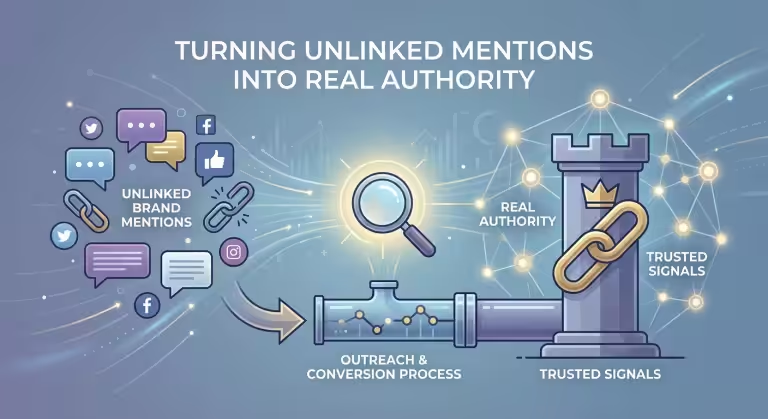
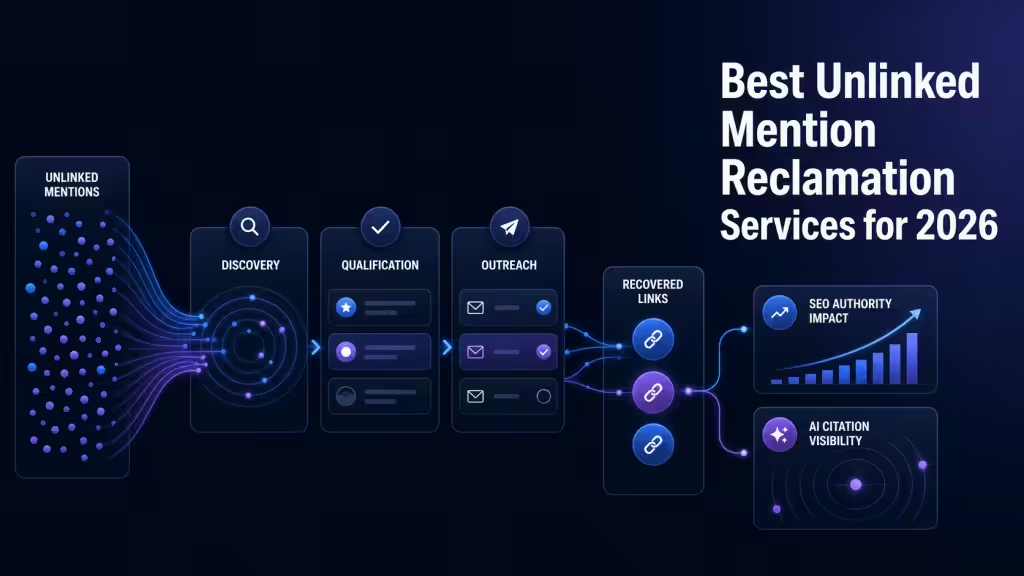
An unlinked mention reclamation service finds places where your brand is named without a link, then runs outreach to turn those mentions into clean backlinks or stronger citations. The brand reference already exists. The job is closing the gap between mention and link. That sounds simple. The execution is where providers diverge.The Three Jobs Inside One Service
Every credible provider does three distinct things, and weakness in any one breaks the whole chain.Discovery
Surfacing unlinked mentions across editorial coverage, forums, directories, and partner sites, including brand variants and misspellings.
Qualification
Deciding which mentions are worth pursuing based on relevance, authority, context, and reachability.
Outreach
Contacting the right person with a reason to add the link, then following up without becoming a nuisance.
Why Reclamation Beats Cold Link Building in 2026
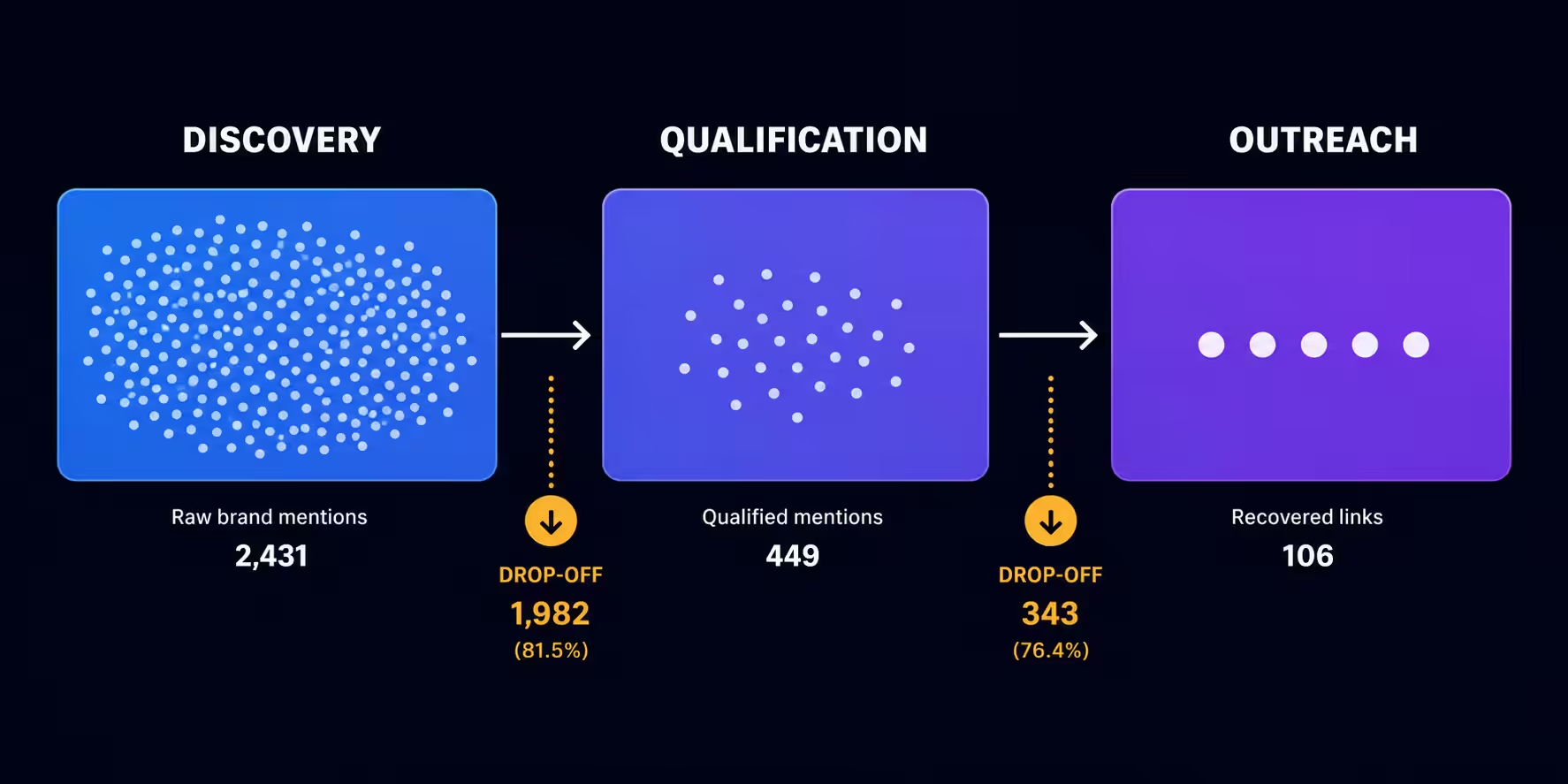
Reclamation converts at a far higher rate than cold outreach because the hardest step, earning the mention, already happened. A writer who already named your brand has already decided you’re worth referencing. Adding a link is a small ask, not a cold pitch. This is the core reason the tactic deserves budget. You’re not asking a stranger to feature you. You’re asking someone who already featured you to complete the reference.The Pattern We See Across Campaigns
In the reclamation work we’ve run over the last year, warm mention outreach lands links at multiples of what cold guest-post pitching returns. The mentions sourced from genuine editorial coverage convert best. The ones scraped from low-effort directory pages convert worst, and chasing them wastes the outreach hours that should go to the strong opportunities. That pattern matters when you evaluate a service. A provider that treats every mention as equal is optimizing for a long opportunity list, not for recovered links.The AI Search Angle Most Services Skip
Recovered links still carry SEO weight. But in 2026, the mention itself carries weight even before the link lands. AI search systems read brand mentions as entity signals, and the frequency and quality of those mentions feed how often a model surfaces your brand. A linked mention on an authoritative page strengthens both your search profile and your citation profile, the record of where AI systems can find and trust references to your brand.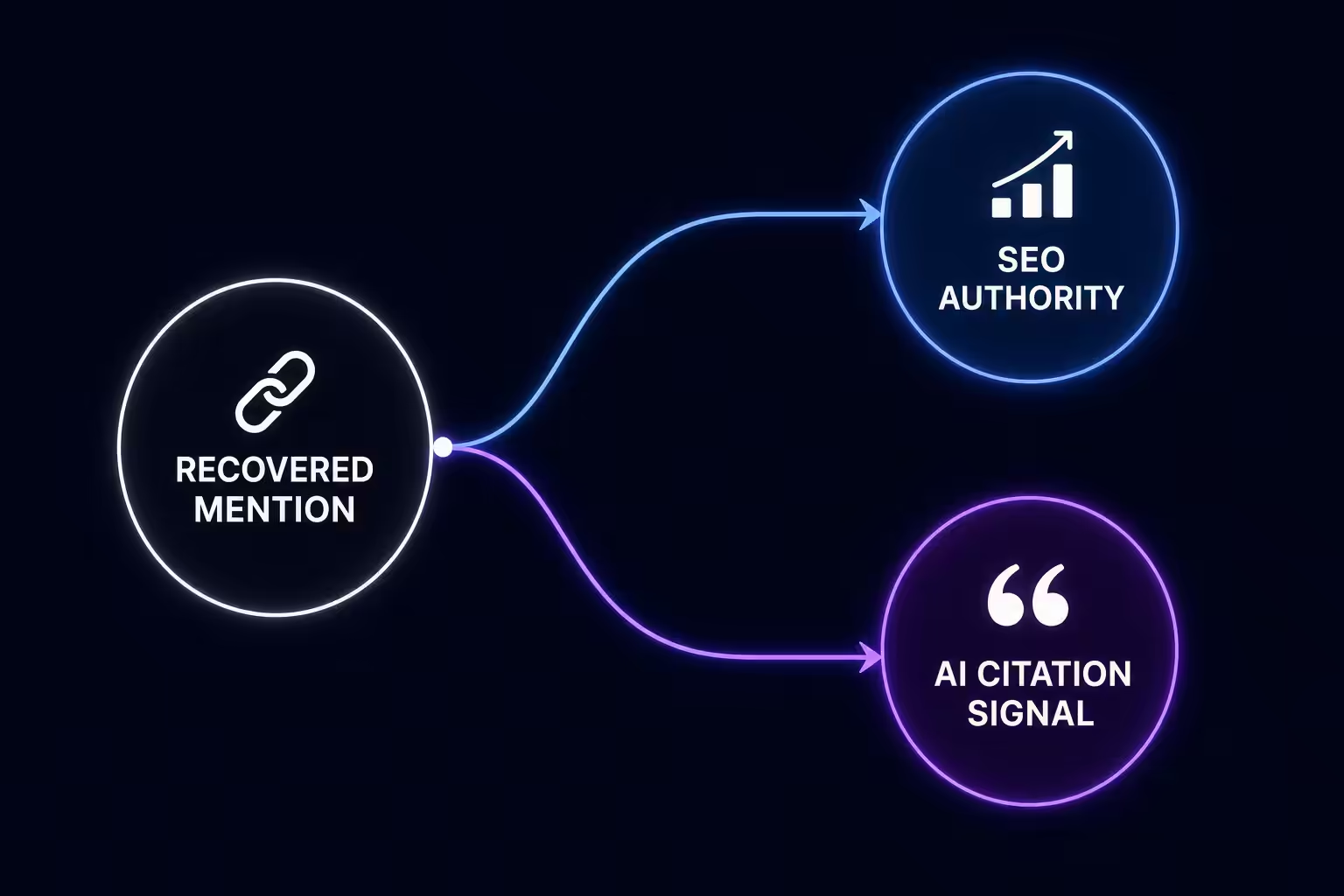
How to Evaluate a Reclamation Service Before You Buy
| What you’re evaluating | What it covers | Sign of a strong provider | Sign of a weak provider |
|---|---|---|---|
| Discovery | Surfacing unlinked mentions across editorial coverage, forums, directories, and partner sites, including brand variants and misspellings | Sources mentions beyond the first page of results and flags which coverage is editorial versus scraped | Sells the long discovery list as the deliverable and stops there |
| Qualification | Deciding which mentions are worth pursuing based on relevance, authority, context, and reachability | Prioritizes editorial mentions that convert; skips low-effort directory pages | Chases every mention equally, wasting outreach hours on weak opportunities |
| Outreach | Contacting the right person with a reason to add the link, then following up without becoming a nuisance | Personalized, manual outreach with measured follow-up | Generic bulk link requests that report hundreds of opportunities but recover a handful |
| AI visibility tracking | Measuring whether a recovered mention moves the brand in AI search, not just adding a link to a report | Connects recovered mentions to AI citation impact | Reports recovered links only; never tracks AI search movement |
The Five-Factor Scorecard
Run any provider through these questions before the contract.Discovery Breadth
Do they catch brand variants, founder names, product names, and misspellings, or only the exact brand string?
Qualification Logic
Can they explain why they skip certain mentions, or do they pursue everything?
Outreach Quality
Is every email personalized to the page and author, or is there a template behind the curtain?
Reporting Honesty
Does the report show recovered links against attempts, or only the wins?
Source Quality
Are recovered links on pages that real readers and AI systems trust?
A provider who answers all five with specifics is rare. That rarity is the point. The ability to articulate qualification logic separates an operator from a list-builder.The Reporting Red Flag
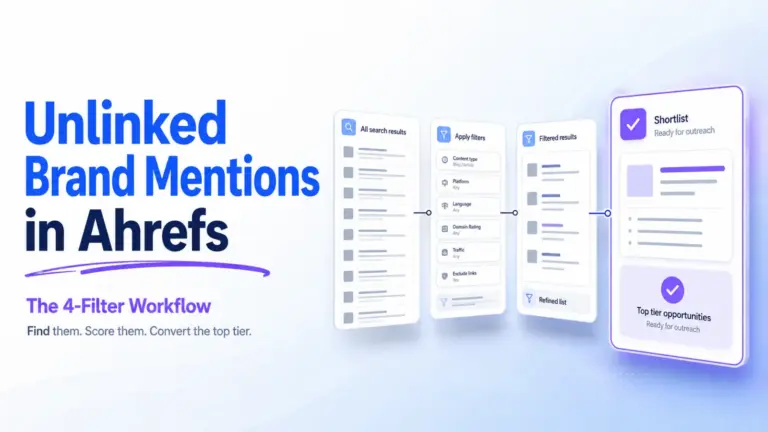
Watch how a service reports attempts. A report that shows only successes is hiding the conversion rate. You want attempts, responses, and recovered links side by side, because that ratio tells you whether the outreach is working or whether the discovery list is just large enough to produce occasional wins by volume. If you want to understand the discovery side before you outsource it, the workflow in our guide to finding unlinked brand mentions quickly shows exactly what good discovery looks like.Service Types and Which Fits Your Brand
Reclamation services fall into three rough shapes, and the right one depends on your volume, your industry, and how much you care about source quality. Picking the wrong shape is the most common and most expensive mistake.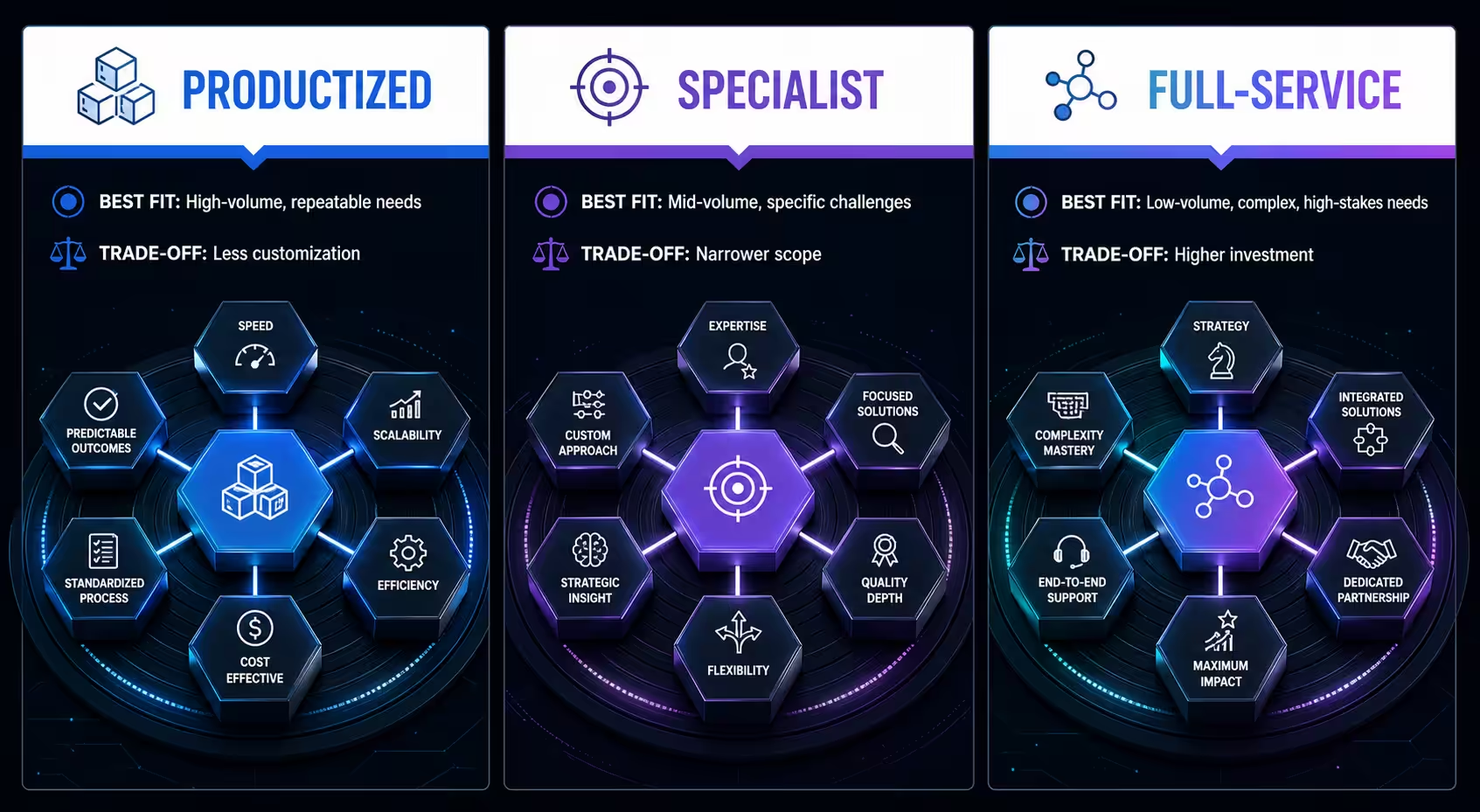
Productized Reclamation
Productized services sell reclamation as a fixed package with predictable pricing and fast turnaround. They fit smaller brands and agencies that want volume and speed over deep qualification. The trade-off is shallow outreach. When you buy scale at a fixed price, personalization is usually the first thing to thin out.Specialist Reclamation Shops
Specialist shops focus on reclamation as their main craft. They tend to qualify harder and personalize more, which lifts conversion on the mentions that matter. They fit mid-market brands that have meaningful editorial coverage and want recovery done well rather than fast. You pay more per link. You typically recover better links.Full-Service Visibility Programs
Full-service providers fold reclamation into a wider brand-mention and citation program. They fit funded startups and enterprises that want recovery connected to digital PR, citation building, and AI visibility tracking rather than run as a standalone task. If your goal is brand presence across both search and AI surfaces, reclamation works best as one move inside that larger program, not as an isolated buy. This is the model we build at our brand mention agency, where reclamation runs alongside citation building so a recovered link reinforces the same entity signals the rest of the program is developing.When a Reclamation Service Is the Wrong Call
Skip a paid reclamation service when you have almost no editorial coverage, when your mentions are mostly low-quality directory entries, or when the mentions carry legal or reputational risk. A service can only reclaim what already exists. If the well is dry, the smarter spend is digital PR to create mentions first.The Coverage Threshold
Brands with thin coverage get thin reclamation results, and no provider can fix that with effort. We’ve turned down reclamation engagements where the discovery audit surfaced fewer than a dozen genuine editorial mentions. There simply wasn’t enough raw material to justify a retainer. Honest providers tell you this. List-builders sell you the retainer anyway.The Sensitive-Mention Exception
Some mentions you leave alone. A negative review, a critical news piece, or a mention in a legally sensitive context is not a link opportunity. Requesting a link there can backfire or draw fresh attention to coverage you’d rather let fade. A good service flags these and routes them away from outreach. A careless one mails them anyway.Connecting Reclamation to AI Visibility
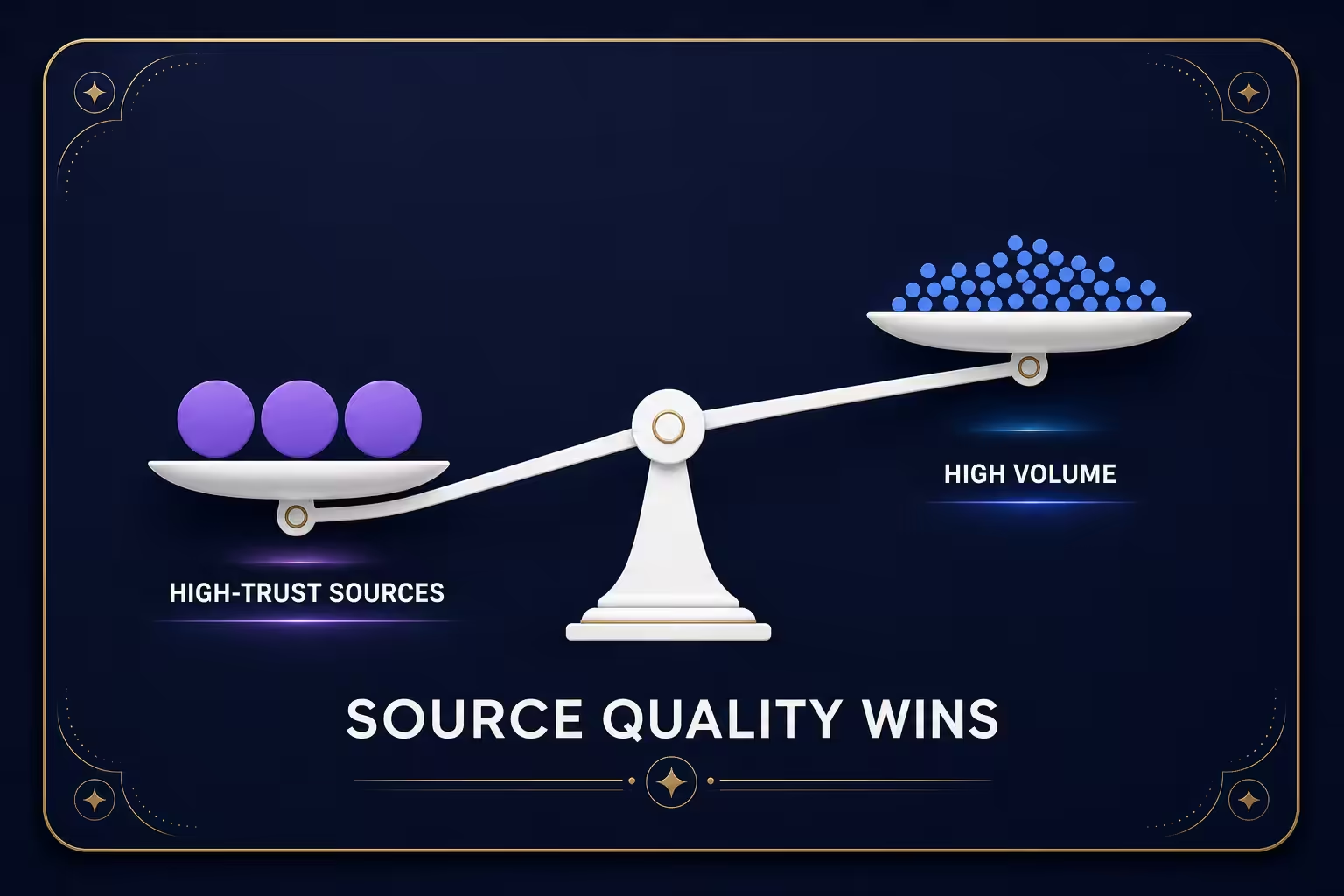
Reclamation earns its place in 2026 because recovered links and mentions feed the same entity signals that decide whether AI systems cite your brand. A link on a page that AI models already trust does double duty. It passes classic authority and it reinforces your brand as a recognized entity in the model’s view. That’s why source quality outranks raw link count. Ten recovered links on pages no AI system reads do less for your visibility than three recovered links on sources that models cite regularly.