If your brand only tracks Google rankings, you’re missing where AI systems already recommend, cite, or quietly skip you. The buying question changed. It’s no longer “do we rank for the keyword,” it’s “does…
Jordan Ellis Updated June 19, 2026 13 min read 2,462 words
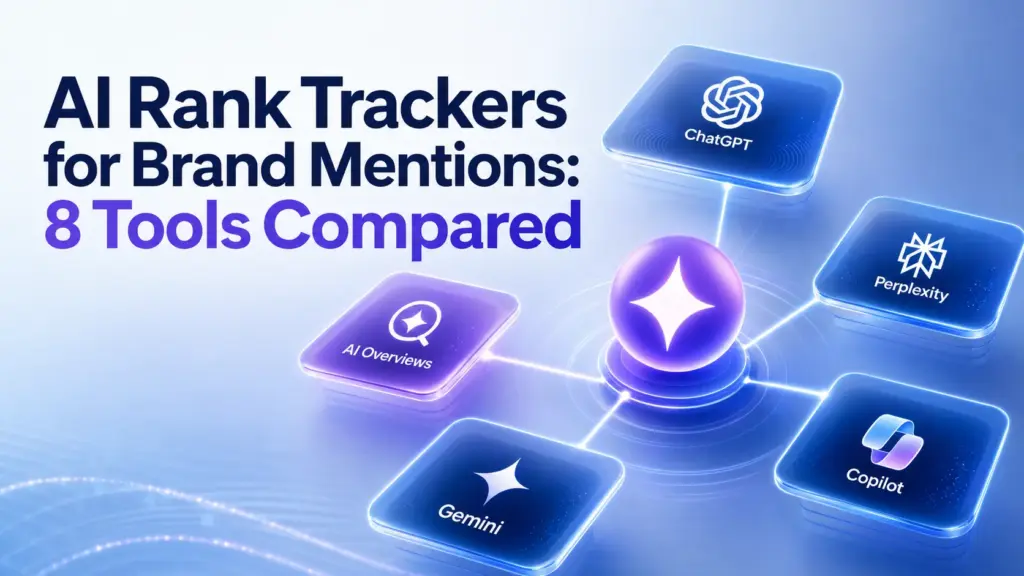
If your brand only tracks Google rankings, you’re missing where AI systems already recommend, cite, or quietly skip you. The buying question changed. It’s no longer “do we rank for the keyword,” it’s “does ChatGPT name us when a buyer asks for options.” The best ai rank trackers for brand mentions are Rankscale, SE Ranking, Otterly AI, Mentions.so, Keyword.com, Nightwatch, Ahrefs Brand Radar, and Profound, each fitting a different team size, budget, and tracking goal. This roundup helps you shortlist fast, then test before you commit.
One thing to set straight before the list: a single prompt check tells you almost nothing. AI answers shift by prompt wording, by model, and by the day you ask. Trustworthy tracking runs the same prompts repeatedly and shows you the trend, not a screenshot.
Why AI Rank Trackers Now Need Brand Mention Tracking
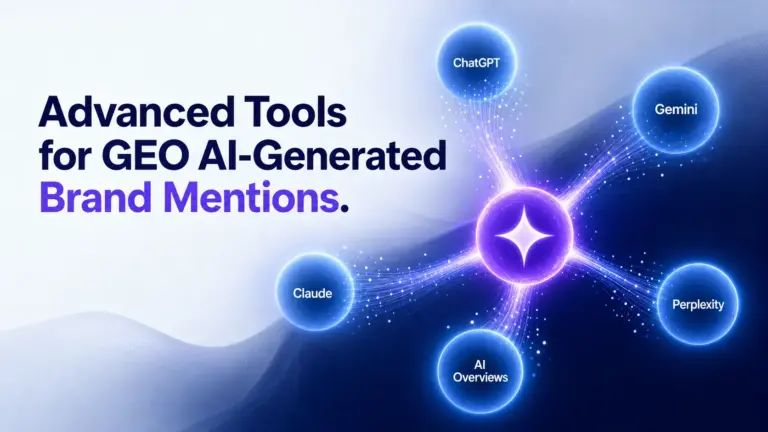
Modern rank tracking means watching where your brand surfaces inside AI-generated answers, not just classic search positions. The surfaces that matter to buyers are ChatGPT, Perplexity, Gemini, Claude, Google AI Overviews, and Google AI Mode. A position-one ranking on a query that triggers an AI Overview now competes with a synthesized answer that may never name you at all.
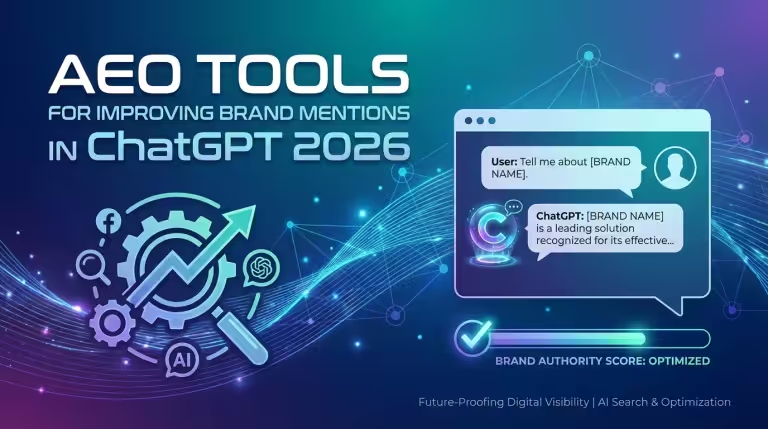
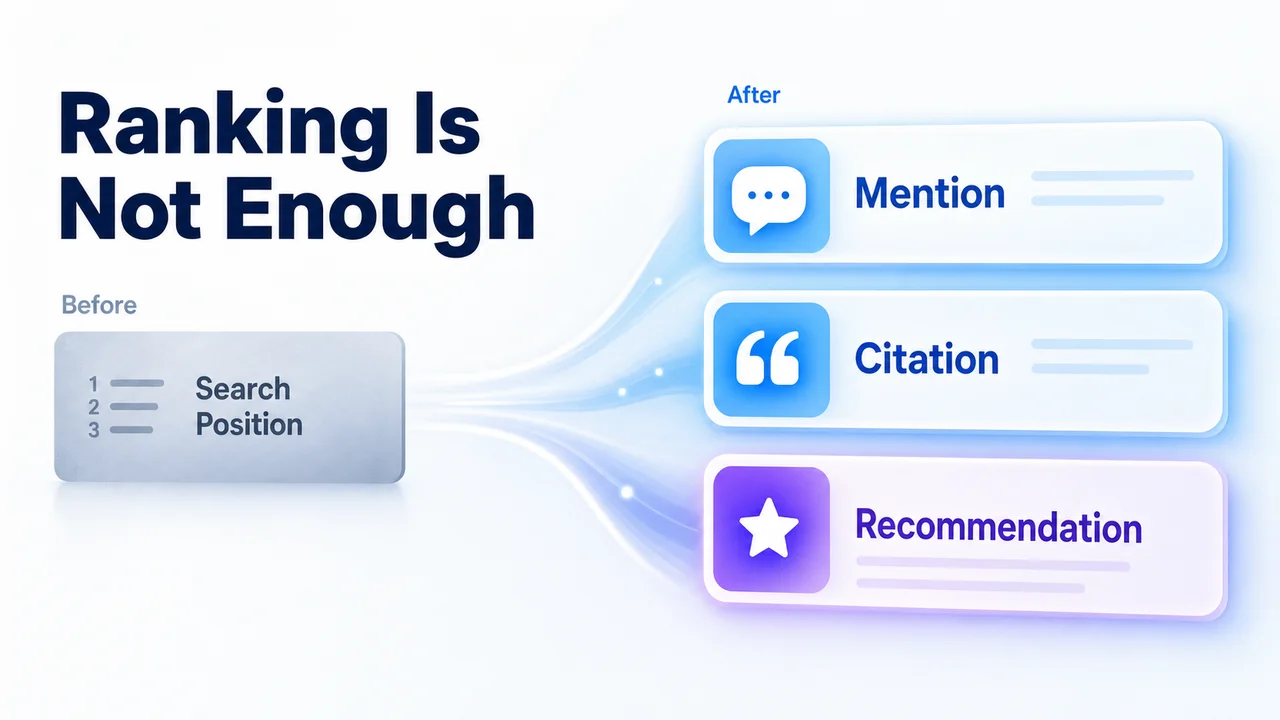
Three outcomes matter here, and they aren’t the same thing. A mention is the engine naming your brand in prose. A citation is the engine linking your page as a source. A recommendation is the engine putting you on a shortlist when a buyer asks who to consider. Some tools track direct mentions and cited URLs. Others only infer your visibility from authority signals, which is useful but less direct.
The goal of this guide is a decision, not a theory lesson. If you want the deeper background on how this works, our guide on tracking brand mentions in AI search results covers the mechanics. Here, you want a shortlist. So here’s how we built one.
How We Chose the Tools in This Roundup
We picked tools that solve real monitoring problems for SEO and AI visibility teams, not the ones with the loudest landing pages. Six criteria did the filtering.
Platform coverage: tracking across ChatGPT, Perplexity, Gemini, Claude, Google AI Overviews, and AI Mode
Mention and citation depth: raw mentions, cited URLs, source context, or all three
Competitor benchmarking: comparing your brand against rivals in the same prompt set
Historical tracking: stored trend lines so you see movement over time, not a one-off snapshot
Reporting and setup speed: exports, stakeholder reporting, and how fast you onboard
Value for money: budget tools separated from enterprise platforms so you shortlist by tier
One practitioner note runs through every pick. AI visibility data varies by prompt and model, so we weighted repeatability and coverage over vanity scores. When you test these yourself, run the identical prompt set across each tool. Coverage only helps if the outputs are stable enough to trust.
The Strongest All-Around AI Rank Trackers for Brand Mentions
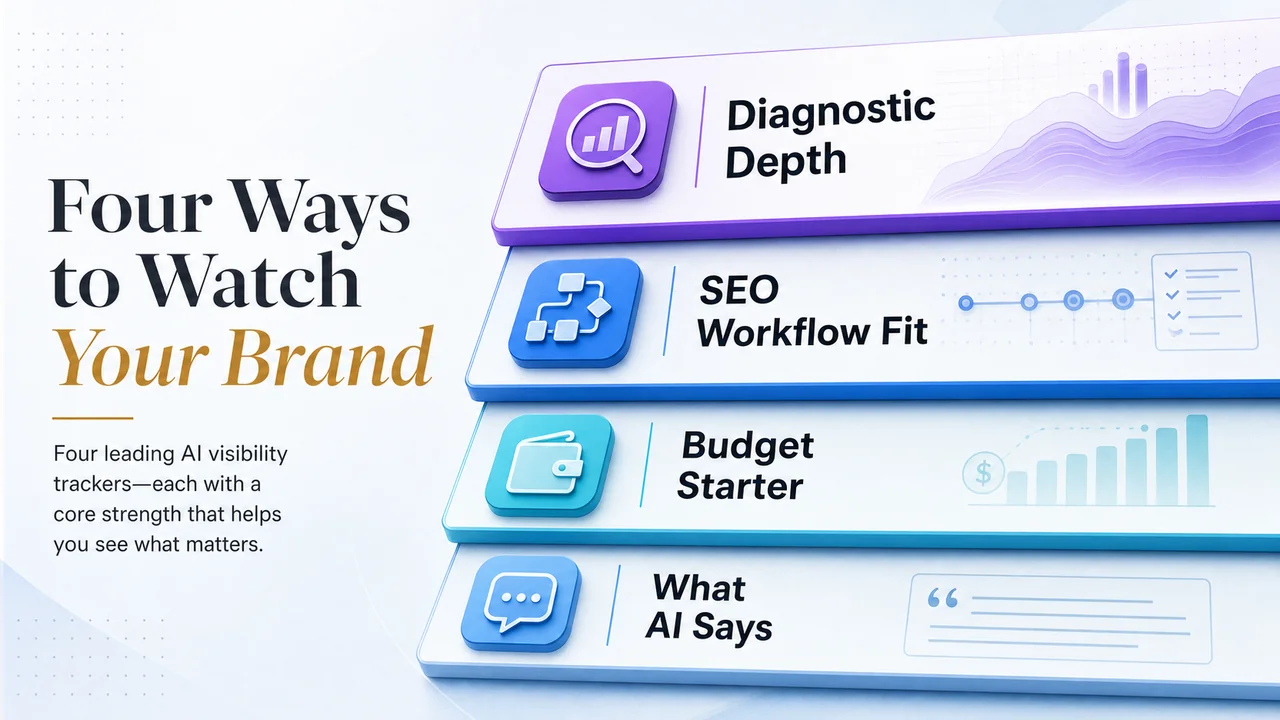
These four lead the list because they cover multiple AI engines and pair mention tracking with competitor benchmarking, the most common requirement across SEO and AI visibility teams.
1. Rankscale: Best for Deep All-in-One AI Visibility
Rankscale is an all-in-one AI search visibility platform for teams that want prompt research, competitor benchmarking, and broad engine coverage in one place. It tracks across a wide set of AI engines, including ChatGPT, Perplexity, Claude, Gemini, and AI Overviews, and pairs that with citation and sentiment analysis. Its real edge is diagnostic depth, the why behind a drop, not just a screenshot proving you got mentioned. The honest tradeoff: the methodology behind its visibility scores stays opaque, so treat the absolute numbers as directional and watch the trend instead.
Best for: agencies and teams needing prompt research plus broad engine coverage
Starting price: from around €20 per month
Free tier or trial:Available, confirm terms
Standout feature: prompt research with competitor and citation analysis in one suite
Rating with source: No public rating
2. SE Ranking AI Visibility Tracker: Best for SEO Teams Already in a Suite
SE Ranking is the best fit if your team already lives in a traditional rank tracker and wants AI visibility bolted into the same workflow. It connects AI brand mentions and cited sources with the keyword tracking, competitor analysis, and reporting you already run, so you aren’t juggling a second tool. It tracks across AI Overviews, AI Mode, ChatGPT, Gemini, and Perplexity, and its source and coverage analysis shows which domains the engines lean on. The catch is the AI tracking sits as an add-on, so factor that into the real monthly cost.
Best for: SEO teams consolidating AI tracking into an existing suite
Starting price: from $103.20 per month, AI add-on from $71.20 per month
Free tier or trial: Free AI visibility check, 5 attempts per day
Standout feature: AI mentions tied to keyword and competitor workflows
Rating with source: No public rating
3. Otterly AI: Best Budget Starter for SMBs and Founders
Otterly AI is the affordable entry point for SMBs, founders, and agencies proving out whether AI visibility deserves budget. It tracks brand mentions and citations across the main AI search platforms with quick setup and a light operational footprint, so a small team gets data in an afternoon rather than a sprint. You give up some of the diagnostic depth and reporting polish of the heavier platforms, but for validating the category before you spend more, that’s a fair trade.
Best for: SMBs and founders validating AI visibility on a small budget
Starting price: from $29 per month
Free tier or trial:Trial available, confirm terms
Standout feature: fast setup with a light operational footprint
Rating with source: No public rating
4. Mentions.so: Best for “What’s AI Saying About Us?”
Mentions.so is built for teams that care less about raw counts and more about what each model actually says. It tracks mentions across ChatGPT, Perplexity, Claude, Grok, Gemini, DeepSeek, AI Overview, and Llama, then layers sentiment and competitor context on top, so you read tone and positioning, not just frequency. It also ties AI visibility to traffic, which helps connect the work to revenue. The limitation worth naming: the published detail on how sentiment and detection are calculated is thin, so validate its reads against your own spot checks early.
Best for: teams tracking multi-model sentiment and competitor context
Starting price: from $49 per month
Free tier or trial:Confirm trial terms
Standout feature: sentiment plus competitor context across eight models
Rating with source: Used by 100+ brands per vendor
The Reporting-Heavy and Enterprise AI Rank Trackers
These four round out the list for teams that need API-friendly reporting, suite consolidation, an Ahrefs-native workflow, or enterprise-grade AI search intelligence.
5. Keyword.com AI Brand Monitoring: Best for API-Friendly Reporting
Keyword.com is the pick for teams that need mention and citation tracking plus sentiment and context, then want to pipe it all out programmatically. It covers a broad model set, including ChatGPT, Gemini, Perplexity, Claude, Copilot, Mistral, DeepSeek, and AI Overviews, and surfaces which prompts trigger your brand and which URLs get cited. The differentiator is its AI visibility API, which lets agencies automate reporting and stakeholders pull data on a schedule. If you don’t need programmatic access, you’re paying for capability you won’t use.
Best for: agencies needing programmatic AI visibility reporting
Starting price: Paid subscription, monthly or annual
Free tier or trial: 14-day free trial, no credit card, 100 keywords
Standout feature: AI visibility API for automated reporting
Rating with source: No public rating
6. Nightwatch: Best All-in-One SEO Plus AI Visibility
brand tracking” />
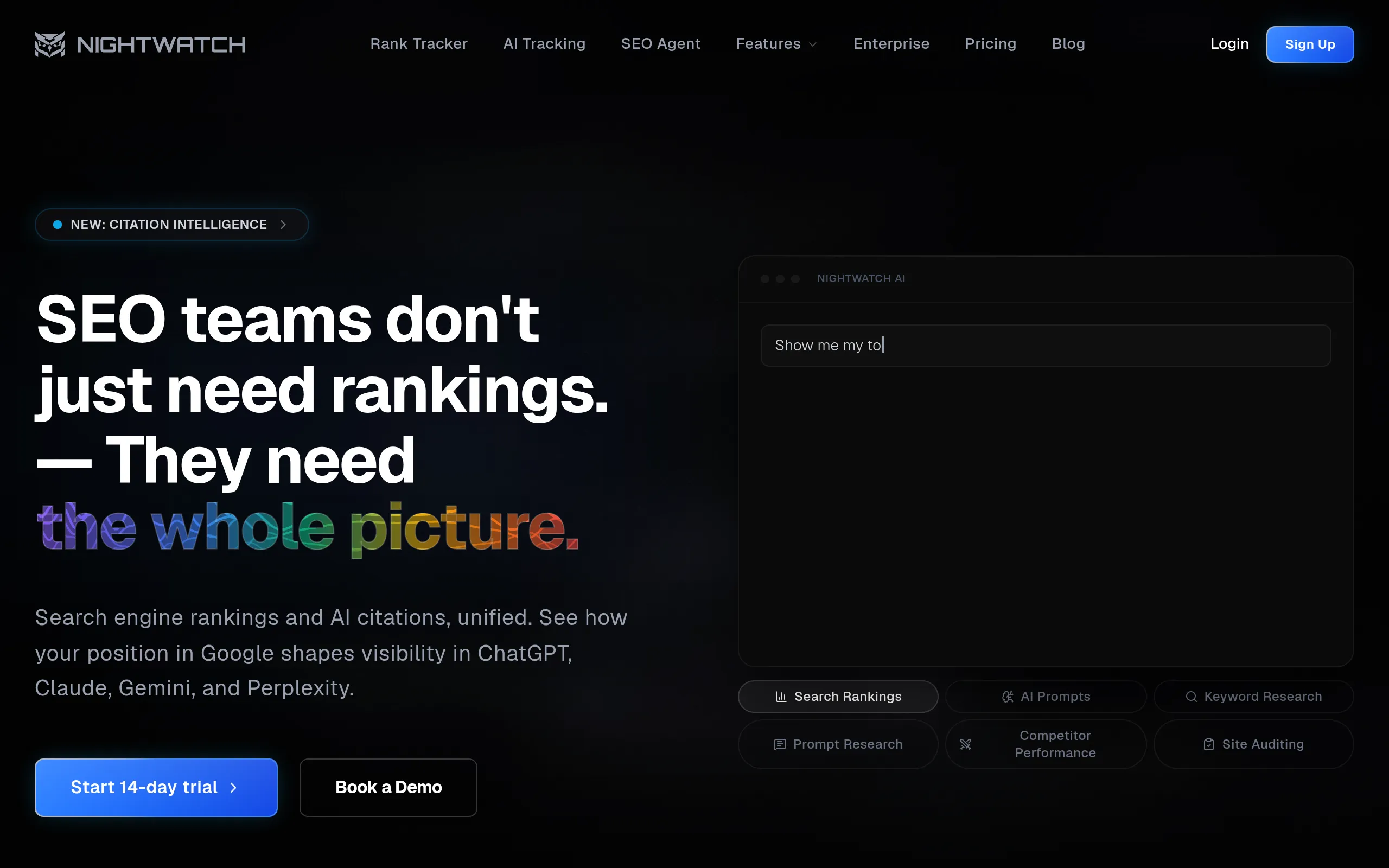
Nightwatch is the choice for teams that refuse to run a separate AI-only tool and want classic rank tracking and AI brand monitoring under one roof. It pairs traditional SEO rank tracking with LLM monitoring and citation analysis across ChatGPT, Claude, Perplexity, Gemini, Copilot, and Google AI Overviews, so one dashboard answers both the old question and the new one. That consolidation is the value, and the tradeoff is depth: a dedicated AI-native platform will go further on prompt-level diagnostics than a tool splitting focus between two jobs.
Best for: teams consolidating SEO and AI tracking in one platform
Starting price: Paid subscription, monthly or annual
Free tier or trial:Confirm trial terms
Standout feature: classic rank tracking paired with AI brand monitoring
Rating with source: No public rating
7. Ahrefs Brand Radar: Best for Existing Ahrefs Users
Ahrefs Brand Radar fits teams already paying for Ahrefs who want mention and authority signals inside a workflow they know. It approaches AI brand visibility indirectly, tracking mentions, links, and authority signals that influence whether AI systems surface you, rather than reading the AI answers directly. Be clear-eyed about that distinction: this is inference, not direct AI answer monitoring like the pure-play trackers above. For an Ahrefs shop, it’s a low-friction add-on. For a team that needs to see exactly what ChatGPT says, it isn’t the primary tool.
Best for: existing Ahrefs users wanting authority signals in one workflow
Starting price: $129 per month
Free tier or trial:Confirm trial terms
Standout feature: authority and mention signals inside the Ahrefs suite
Rating with source: No public rating
8. Profound: Best for Enterprise AI Search Intelligence
Profound is the enterprise option for large teams that need broad AI search intelligence, strategic reporting, and visibility shared across departments. It’s positioned for organizations where budget and setup complexity matter less than coverage and cross-team rollout. The honest read: it’s the most suitable when you’ve a dedicated team to run it and the most overbuilt when you don’t. Smaller brands almost always get more value from the lighter, faster tools higher on this list.
Best for: enterprise teams needing broad AI search intelligence
Starting price: from $99 per month, enterprise tiers higher
Free tier or trial:Confirm trial terms
Standout feature: enterprise reporting and cross-team visibility
Rating with source: No public rating
Comparison Summary Table
Use this to shortlist in under a minute, then read the two profiles that match your situation. Pricing is shown as a tier so the table stays useful when plans change.
Tool
Best for
AI tracking type
Starting price
Rankscale
Deep all-in-one visibility
Direct
From ~€20/mo
SE Ranking
SEO teams in a suite
Direct
From $103.20/mo
Otterly AI
Budget starter
Direct
From $29/mo
Mentions.so
Sentiment and tone
Direct
From $49/mo
Keyword.com
API-friendly reporting
Direct
Trial, then paid
Nightwatch
SEO plus AI in one
Direct
Paid plans
Ahrefs Brand Radar
Existing Ahrefs users
Indirect
$129/mo
Profound
Enterprise intelligence
Direct
From $99/mo
How we picked: we weighted platform coverage across the six AI surfaces, the depth of mention and citation tracking, competitor benchmarking, historical trend lines, and value by budget tier. We separated direct AI answer monitoring from indirect authority inference so the tradeoff is visible, and we favored repeatability over headline engine counts.
Which AI Rank Tracker Should You Choose?
The right tool follows your team size, budget, and what you actually need to measure. Match yourself to one of these and start there.
If budget is tight or you’re validating the category, start with Otterly AI or Keyword.com.
If you’re an SEO team already living in a suite, shortlist SE Ranking or Nightwatch first.
If you’re an agency managing multiple clients, prioritize Rankscale or Mentions.so for benchmarking and reporting.
If you’re enterprise or need broad AI search intelligence, evaluate the enterprise tier last, after the lighter tools fail to scale.
If your team already pays for Ahrefs, test Brand Radar as a low-friction add-on, knowing its tracking is indirect.
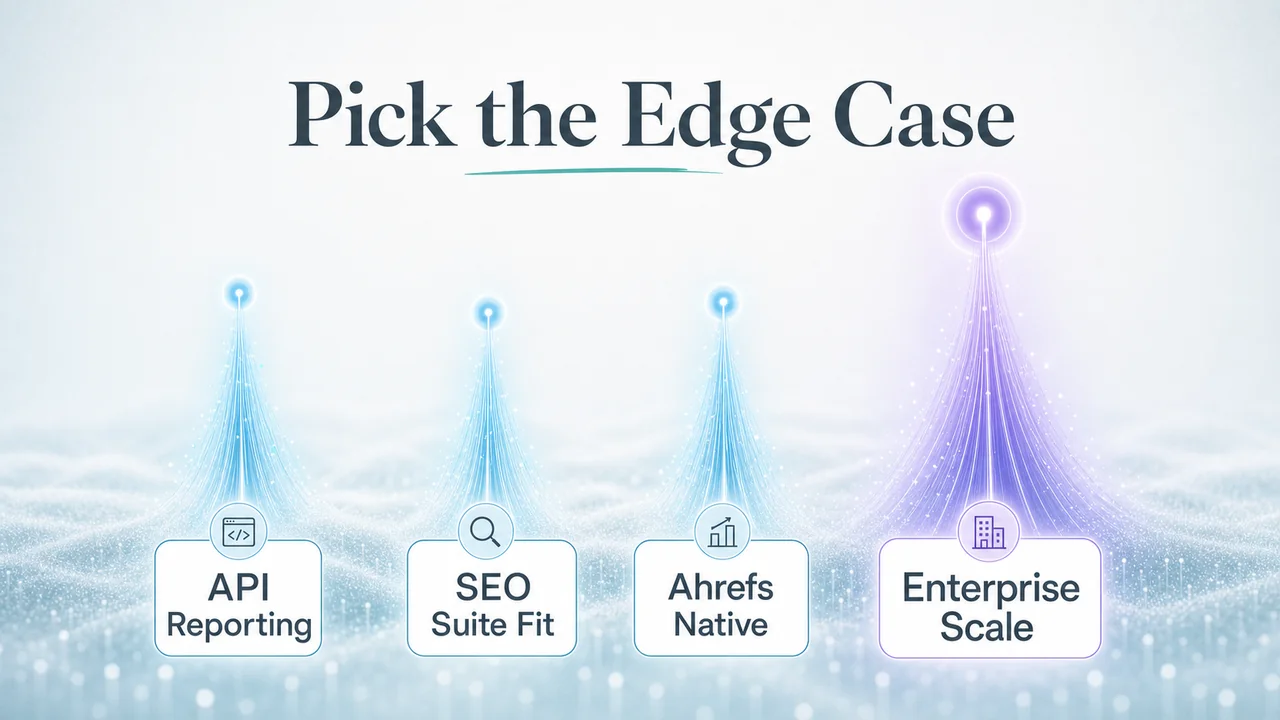
Whatever you shortlist, don’t buy on a demo alone. Run the same brand prompts in two finalists for two weeks and compare the outputs. The tool that gives you stable, repeatable reads, not the one with the highest number, is the one to keep. For a structured way to compare the data once you’ve it, our walkthrough on building a brand mentions monitoring dashboard sets up the workflow, and if you want a broader engine reference, the guide to tracking your brand across 10 AI engines covers the full surface.
The Honest Take on AI Rank Trackers
No tool captures every AI answer, and any vendor claiming otherwise is selling certainty that doesn’t exist. Prompts, models, and citations change week to week, so the best you get is a reliable trend, not a perfect snapshot. Choose by your priority, whether that’s raw mentions, cited sources, competitor benchmarking, reporting, or all-in-one visibility, then prove the tool on your own prompts before you commit budget.
Compare the top ai rank trackers for brand mentions, then test your two finalists on the same prompts before you buy. If you want a clear read on where your brand stands across AI search first, get your free AI visibility audit and start from real data.
Frequently Asked Questions
What’s the best AI rank tracker for brand mentions?
There’s no single best tool, because the right choice depends on your team and goal. Rankscale leads for deep all-in-one visibility, SE Ranking suits SEO teams already in a suite, Otterly AI is the budget starter, and Profound serves enterprise needs. Match the tool to your budget and what you most need to track, then test before committing.
How do I monitor brand mentions in ChatGPT?
You monitor brand mentions in ChatGPT by running a fixed set of buyer-intent prompts repeatedly through a tracking tool and recording when and how your brand appears. Most tools on this list, including Rankscale, Mentions.so, and Keyword.com, cover ChatGPT directly. Because one-off checks are unreliable, the tool should run each prompt multiple times and store the trend.
Can I track citations in Perplexity and Gemini?
Yes, several tools track cited URLs and source context in both Perplexity and Gemini, not just raw mentions. Rankscale, SE Ranking, Mentions.so, and Keyword.com all cover these engines and show which of your pages get cited. Citation tracking matters more than mention counts alone, because citations reveal which sources the engine actually trusts.
Are AI visibility tools accurate enough to trust?
They’re accurate enough to guide decisions when used correctly, but no tool is precise to a single answer. AI responses vary by prompt wording, model version, location, and time, so a tool that runs prompts once will mislead you. Trust the trend across repeated runs, validate the reads against your own spot checks early, and treat absolute scores as directional.
Do AI rank trackers replace traditional SEO rank tracking?
No, they complement it rather than replace it. Buyers still search Google, and classic rankings still drive traffic, so you need both views. Tools like Nightwatch and SE Ranking combine the two in one platform, which is why teams already running SEO tracking often add AI visibility inside the same suite instead of buying a separate tool.
Jordan Ellis is an AI search visibility specialist and content strategist with over 8 years of experience in B2B digital marketing. Focused on the intersection of content strategy and large language model optimization, Jordan writes about how brands can build lasting presence in AI-generated recommendations. Before specializing in AI visibility, Jordan led SEO and content programs for SaaS and FinTech companies across the US and Europe.
One free audit: 25 category prompts across every major engine, your citation share against named competitors, and a clear read on what a programme would change. No pitch deck.


 Three outcomes matter here, and they aren’t the same thing. A mention is the engine naming your brand in prose. A citation is the engine linking your page as a source. A recommendation is the engine putting you on a shortlist when a buyer asks who to consider. Some tools track direct mentions and cited URLs. Others only infer your visibility from authority signals, which is useful but less direct.
The goal of this guide is a decision, not a theory lesson. If you want the deeper background on how this works, our guide on tracking brand mentions in AI search results covers the mechanics. Here, you want a shortlist. So here’s how we built one.
Three outcomes matter here, and they aren’t the same thing. A mention is the engine naming your brand in prose. A citation is the engine linking your page as a source. A recommendation is the engine putting you on a shortlist when a buyer asks who to consider. Some tools track direct mentions and cited URLs. Others only infer your visibility from authority signals, which is useful but less direct.
The goal of this guide is a decision, not a theory lesson. If you want the deeper background on how this works, our guide on tracking brand mentions in AI search results covers the mechanics. Here, you want a shortlist. So here’s how we built one.
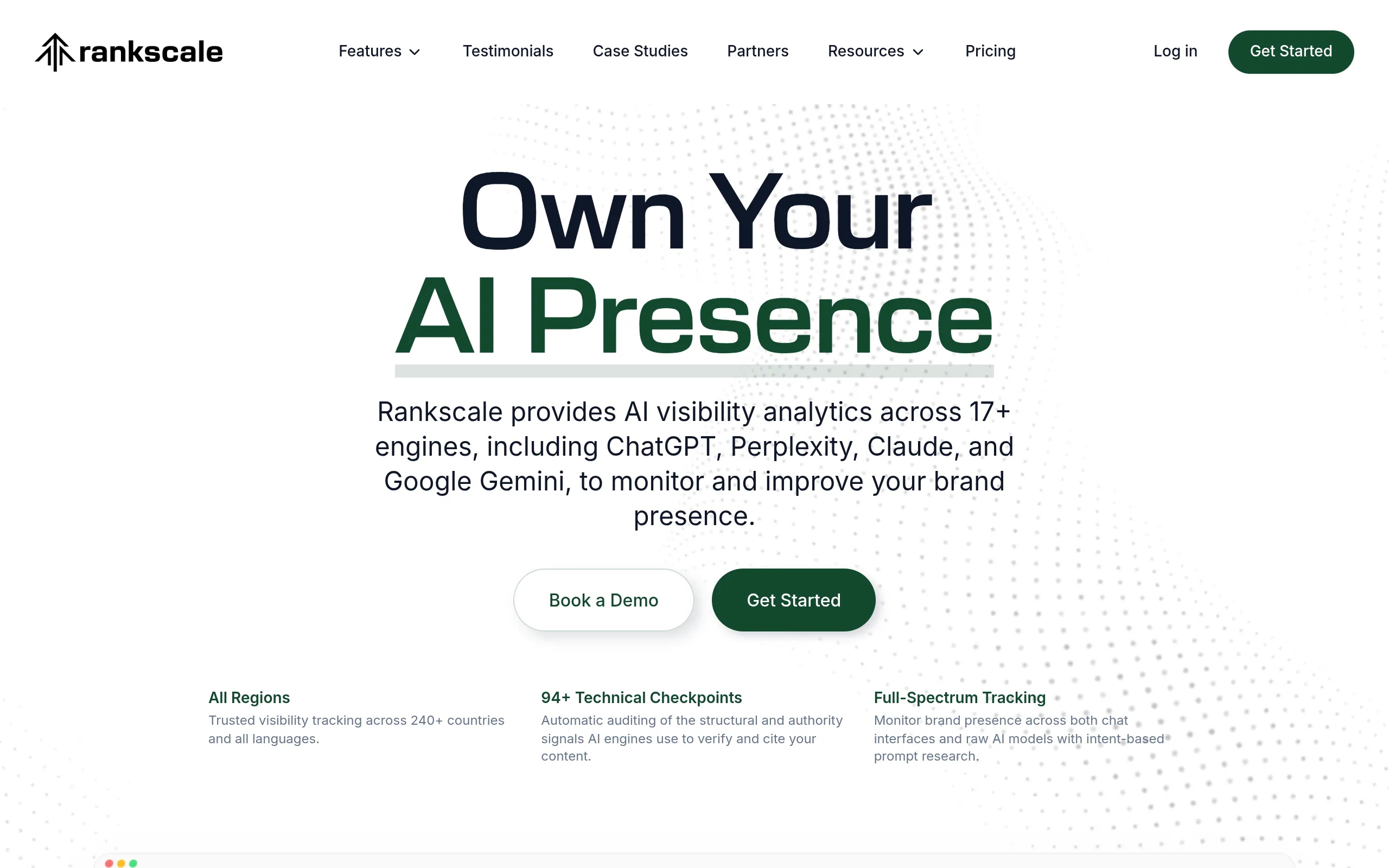 Rankscale is an all-in-one AI search visibility platform for teams that want prompt research, competitor benchmarking, and broad engine coverage in one place. It tracks across a wide set of AI engines, including ChatGPT, Perplexity, Claude, Gemini, and AI Overviews, and pairs that with citation and sentiment analysis. Its real edge is diagnostic depth, the why behind a drop, not just a screenshot proving you got mentioned. The honest tradeoff: the methodology behind its visibility scores stays opaque, so treat the absolute numbers as directional and watch the trend instead.
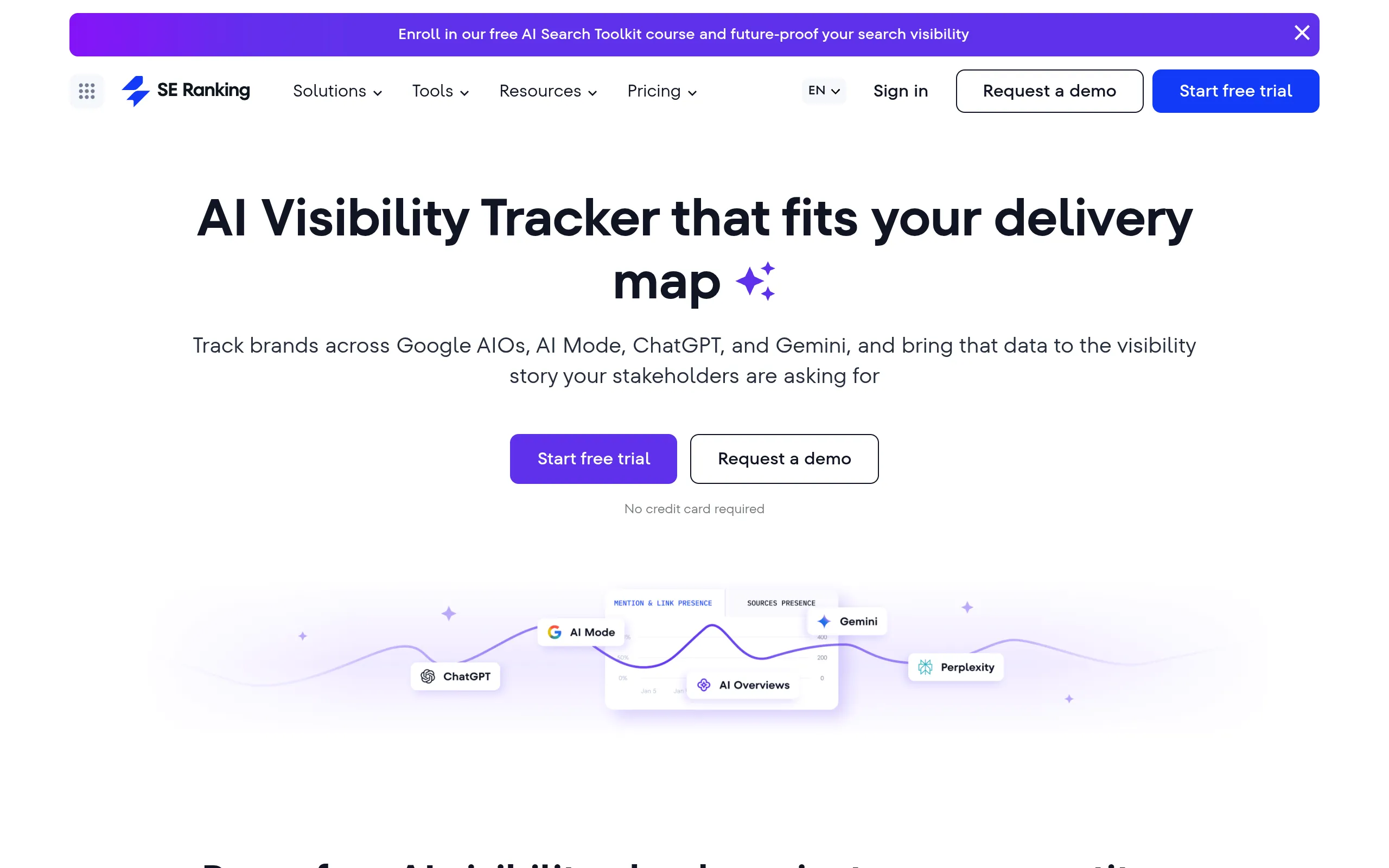 SE Ranking is the best fit if your team already lives in a traditional rank tracker and wants AI visibility bolted into the same workflow. It connects AI brand mentions and cited sources with the keyword tracking, competitor analysis, and reporting you already run, so you aren’t juggling a second tool. It tracks across AI Overviews, AI Mode, ChatGPT, Gemini, and Perplexity, and its source and coverage analysis shows which domains the engines lean on. The catch is the AI tracking sits as an add-on, so factor that into the real monthly cost.
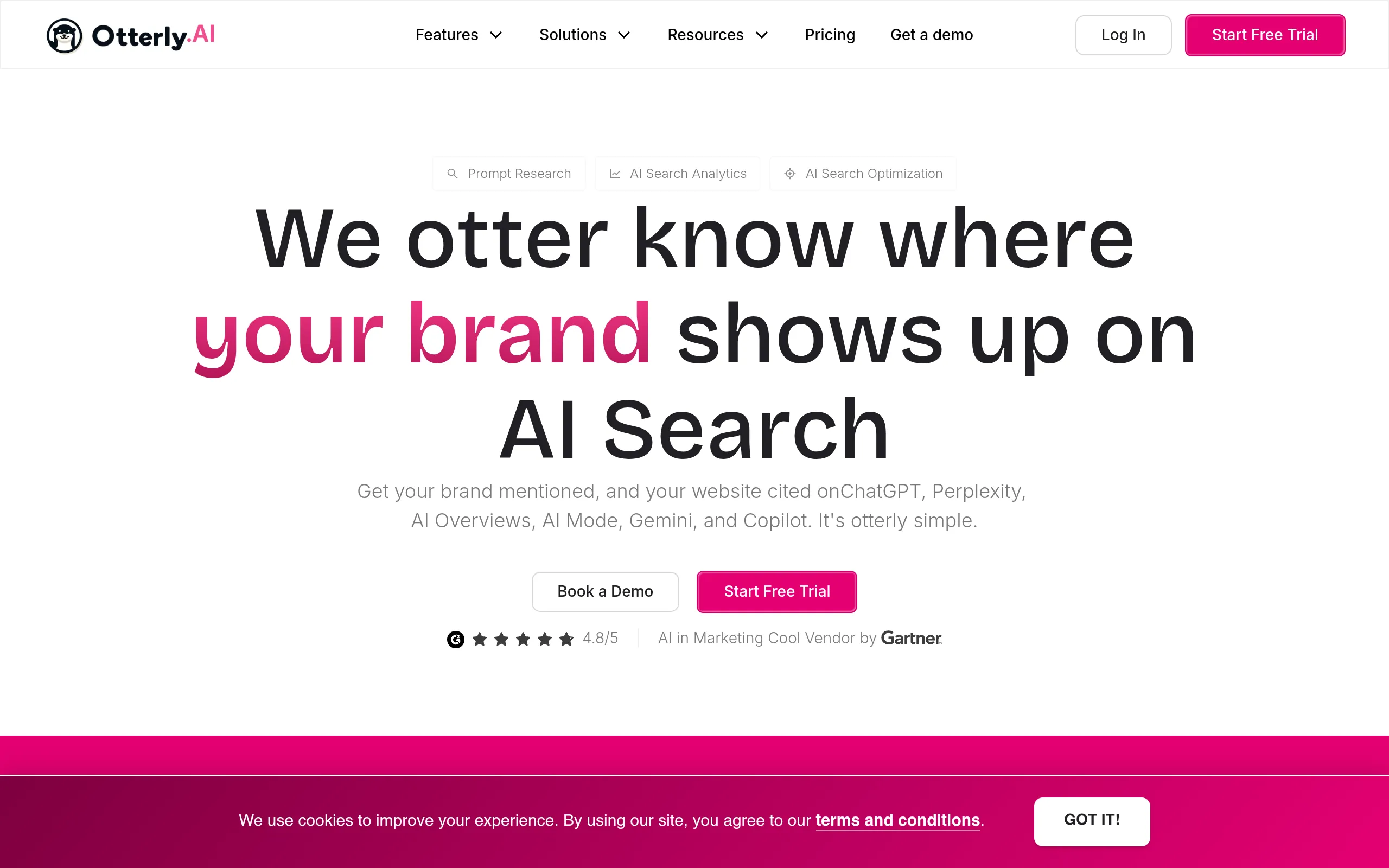 Otterly AI is the affordable entry point for SMBs, founders, and agencies proving out whether AI visibility deserves budget. It tracks brand mentions and citations across the main AI search platforms with quick setup and a light operational footprint, so a small team gets data in an afternoon rather than a sprint. You give up some of the diagnostic depth and reporting polish of the heavier platforms, but for validating the category before you spend more, that’s a fair trade.
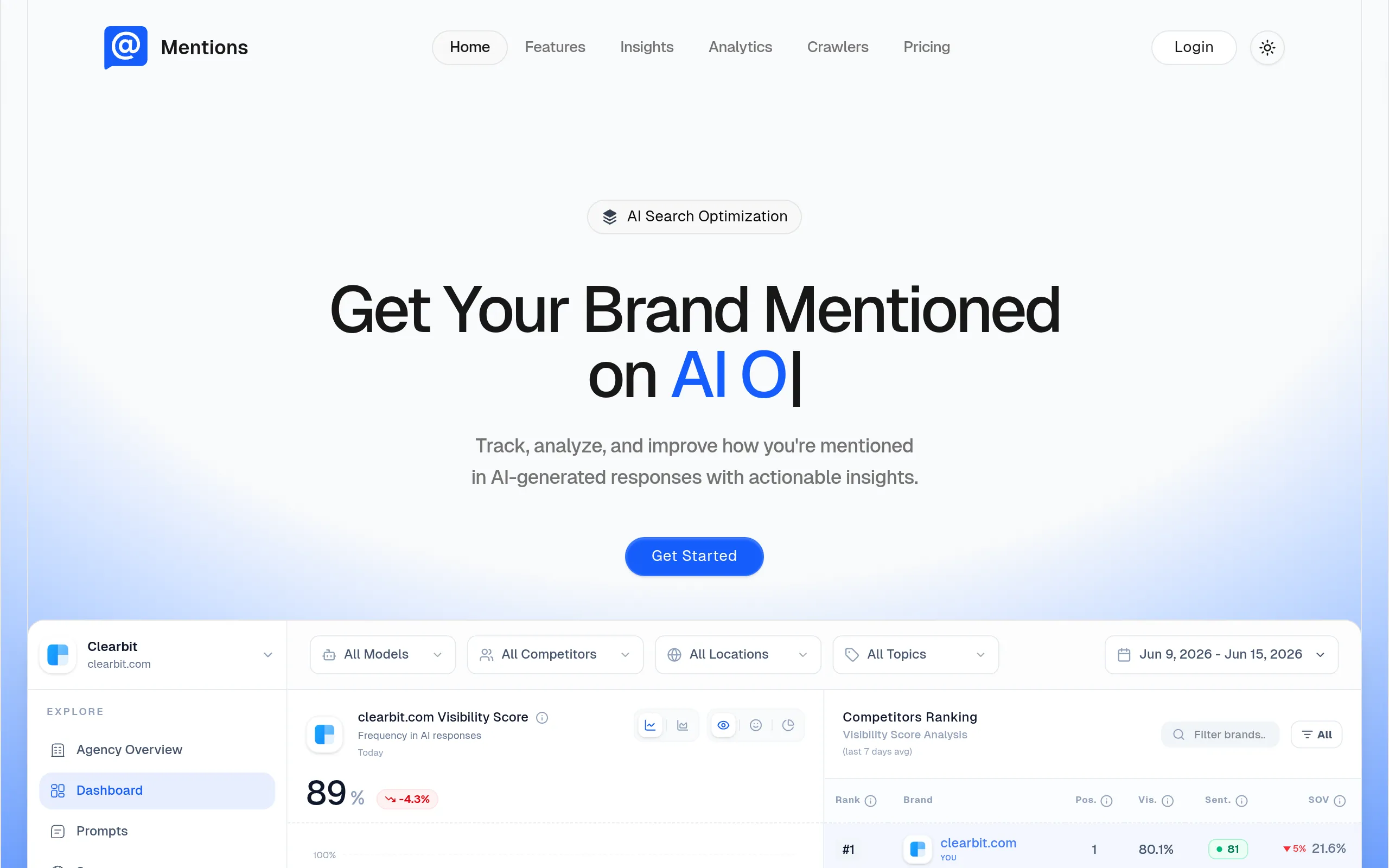 Mentions.so is built for teams that care less about raw counts and more about what each model actually says. It tracks mentions across ChatGPT, Perplexity, Claude, Grok, Gemini, DeepSeek, AI Overview, and Llama, then layers sentiment and competitor context on top, so you read tone and positioning, not just frequency. It also ties AI visibility to traffic, which helps connect the work to revenue. The limitation worth naming: the published detail on how sentiment and detection are calculated is thin, so validate its reads against your own spot checks early.
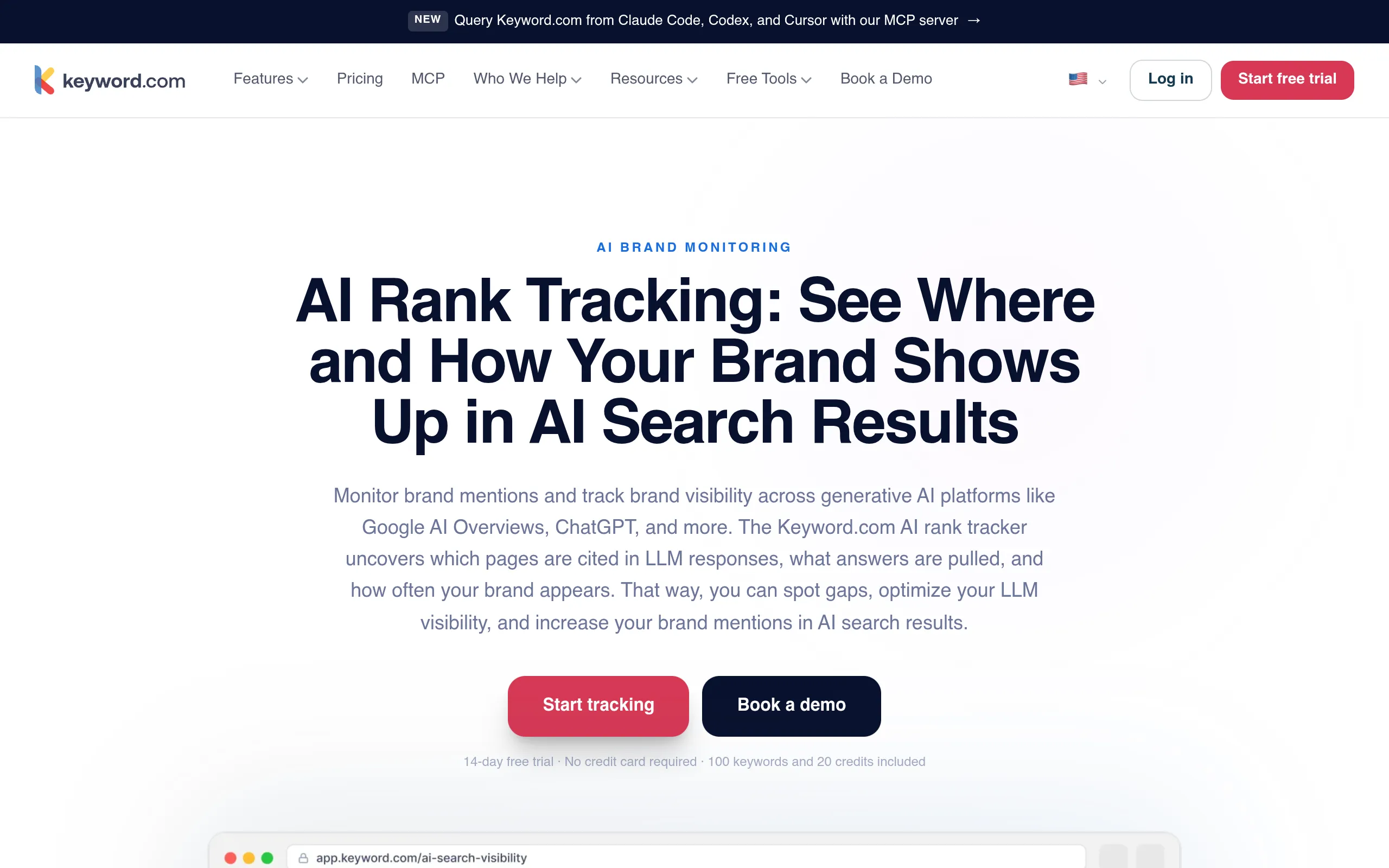 Keyword.com is the pick for teams that need mention and citation tracking plus sentiment and context, then want to pipe it all out programmatically. It covers a broad model set, including ChatGPT, Gemini, Perplexity, Claude, Copilot, Mistral, DeepSeek, and AI Overviews, and surfaces which prompts trigger your brand and which URLs get cited. The differentiator is its AI visibility API, which lets agencies automate reporting and stakeholders pull data on a schedule. If you don’t need programmatic access, you’re paying for capability you won’t use.
 brand tracking” />
Nightwatch is the choice for teams that refuse to run a separate AI-only tool and want classic rank tracking and AI brand monitoring under one roof. It pairs traditional SEO rank tracking with LLM monitoring and citation analysis across ChatGPT, Claude, Perplexity, Gemini, Copilot, and Google AI Overviews, so one dashboard answers both the old question and the new one. That consolidation is the value, and the tradeoff is depth: a dedicated AI-native platform will go further on prompt-level diagnostics than a tool splitting focus between two jobs.
brand tracking” />
Nightwatch is the choice for teams that refuse to run a separate AI-only tool and want classic rank tracking and AI brand monitoring under one roof. It pairs traditional SEO rank tracking with LLM monitoring and citation analysis across ChatGPT, Claude, Perplexity, Gemini, Copilot, and Google AI Overviews, so one dashboard answers both the old question and the new one. That consolidation is the value, and the tradeoff is depth: a dedicated AI-native platform will go further on prompt-level diagnostics than a tool splitting focus between two jobs.
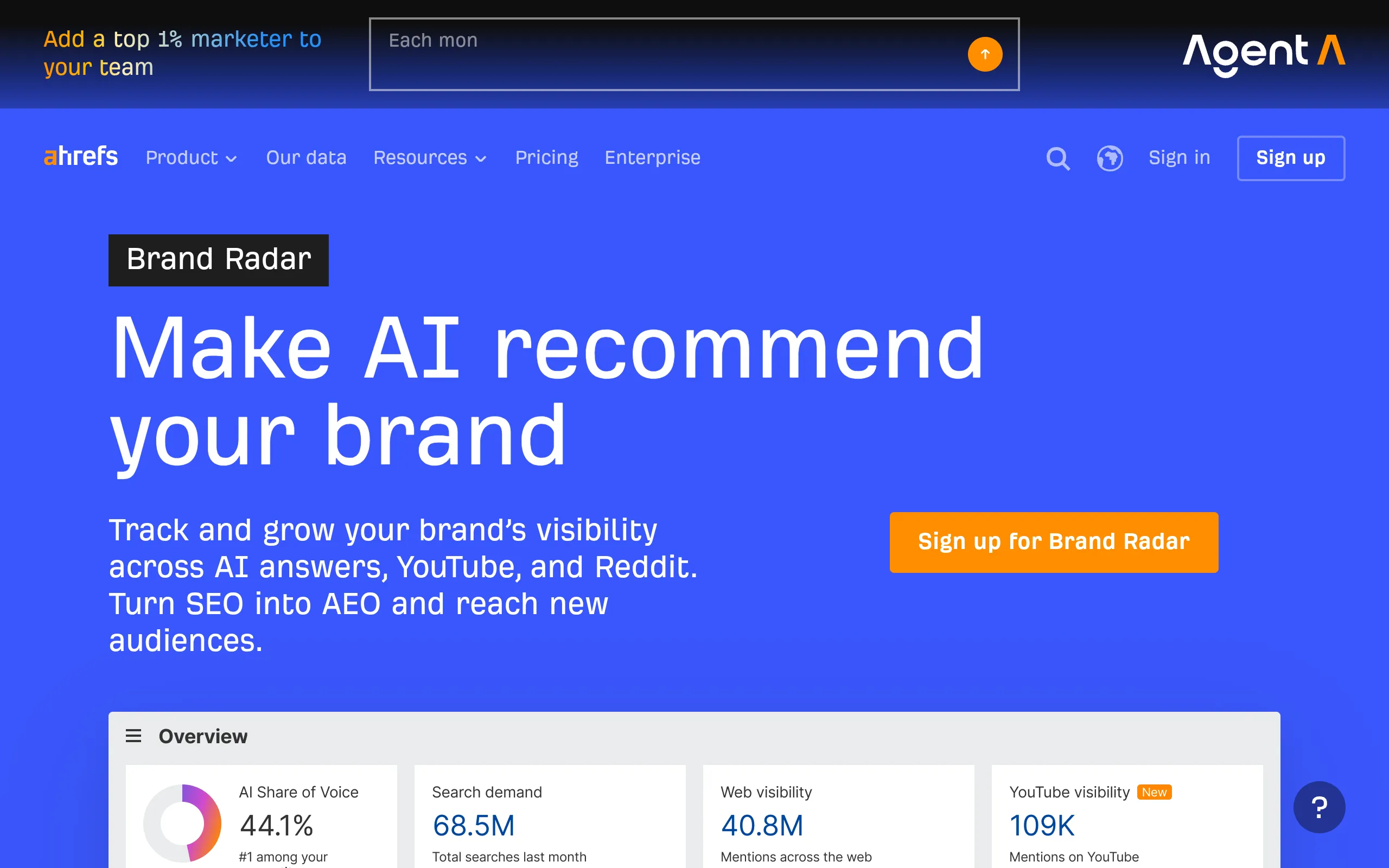 Ahrefs Brand Radar fits teams already paying for Ahrefs who want mention and authority signals inside a workflow they know. It approaches AI brand visibility indirectly, tracking mentions, links, and authority signals that influence whether AI systems surface you, rather than reading the AI answers directly. Be clear-eyed about that distinction: this is inference, not direct AI answer monitoring like the pure-play trackers above. For an Ahrefs shop, it’s a low-friction add-on. For a team that needs to see exactly what ChatGPT says, it isn’t the primary tool.