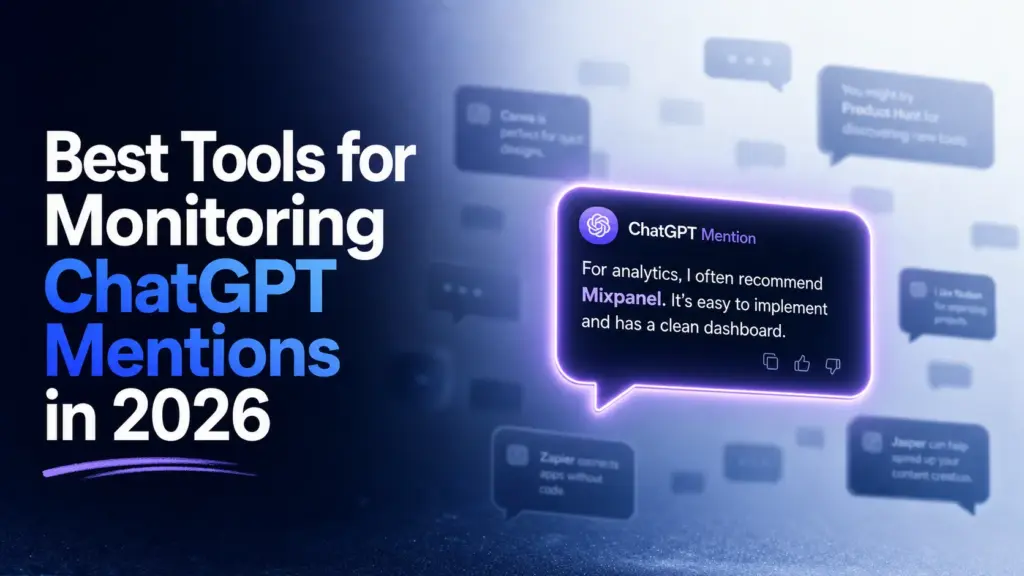

If ChatGPT names your competitor in answers for your highest-intent buying questions, that customer may already be deciding before they ever reach Google.
The best tools for monitoring ChatGPT mentions fall into eight clear buckets: best overall, budget-friendly, enterprise, SEO-suite add-on, fast snapshots, multi-platform, agency reporting, and advanced analytics, and the right pick depends on your budget, team size, and how deep your monitoring needs to go. This guide ranks all eight, with pricing context and a clear best-for label on each, so you can match a tool to your workflow in a few minutes.
Want a starting point before you buy anything? Our free AI visibility checker builds a buyer-intent prompt pack and scores what each engine says about you, with no sign-up.
Why Monitoring ChatGPT Mentions Matters Now
ChatGPT has become a discovery and reputation channel, not just a chatbot. Buyers ask it which tools to shortlist, which vendors are credible, and which brand fits their use case, and the answer shapes the consideration set before anyone clicks through to a website.
There’s a difference worth pinning down. A mention is your brand name appearing inside the generated answer.
A citation is a linked source the model pulls from. You can be mentioned without being cited, and cited without being named in the visible answer, and both matter for different reasons.
Mentions shape perception. Citations show which pages the model trusts enough to draw from.
Most teams first notice a problem the same way: a competitor starts showing up in ChatGPT answers for high-value prompts, and nothing in their analytics explains it because the exposure never produced a tracked click. That blind spot is the reason this category exists.
If you want the wider context on how this fits next to your existing measurement, our breakdown of AI visibility versus SEO metrics maps what changes and what stays the same.
How We Chose the Best Tools
The ranking below comes from a consistent set of buyer-facing criteria, not feature-sheet length. Each tool earns its place on how well it answers the questions a marketing, PR, or SEO lead actually asks before signing a contract.
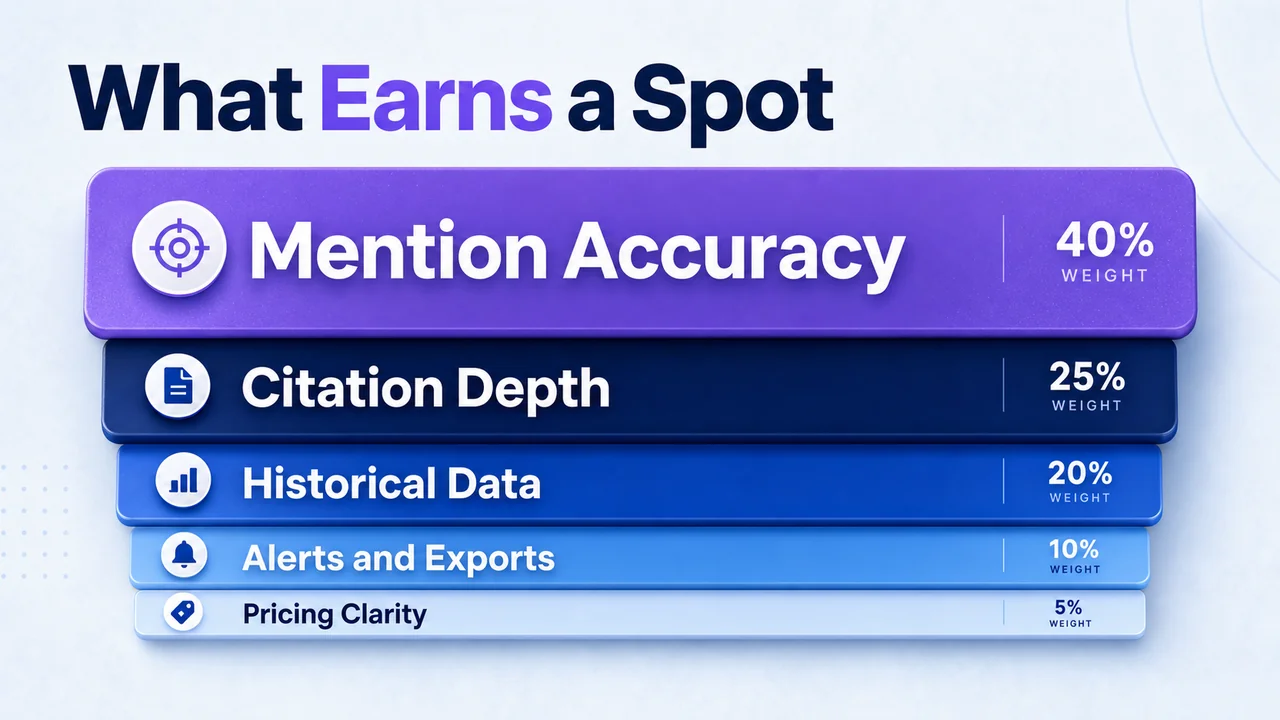
- Mention detection accuracy, including exact brand names and variant phrasing.
- Citation tracking depth: sources, linked URLs, and answer context, not just a count.
- Historical data and trend tracking, so you see movement over time rather than one snapshot.
- Alerting quality, integrations, and exports that fit marketing, PR, and SEO workflows.
- Pricing transparency, setup speed, and whether the tool serves one brand or many accounts.
SEO and PR teams tend to buy in that order: they compare data quality, reporting, and setup speed before they ever compare feature depth. A tool that catches a mention but can’t show you the prompt behind it loses on the first criterion, no matter how polished its dashboard looks.
The Four Pricing Tiers, and Which One Fits You
Before comparing individual tools, it helps to know which price band you actually need. Four tiers cover the market:
Free / Manual (no cost)
Running your own prompt list directly in ChatGPT on a fixed schedule, logging results in a spreadsheet. Zero subscription cost, real time cost, expect 2-4 hours monthly for a basic 10-15 prompt set. This tier answers am I mentioned at all, but produces no trend data, no competitor benchmarking, and no alerting.
Entry ($0-$100/month)
Budget single-purpose tools that automate the manual process above: scheduled prompt runs, basic mention logging, simple trend charts. Fits a single brand tracking its own ChatGPT presence with no competitive benchmarking need.
Mid-tier ($100-$500/month)
Multi-engine platforms covering ChatGPT plus Perplexity, Gemini, and AI Overviews, with competitor tracking, sentiment tagging, and citation-source analysis. Where most growth-stage B2B teams land, enough depth to act on the data, not enough overhead to need a dedicated analyst.
Enterprise ($500+/month)
Full AI visibility suites with custom prompt libraries, stakeholder-ready dashboards, API access, and dedicated support. The jump here isn’t more monitoring, it’s monitoring built for reporting to leadership and integrating into existing BI tooling.
Quick Comparison of the 8 Best Tools at a Glance
Scan this first, then read only the two or three tools that match your budget and workflow. Coverage notes flag whether a tool tracks ChatGPT alone or other AI engines too.
| Tool | Best for | Coverage |
|---|---|---|
| WorkDuo | Best overall, scale and insight | ChatGPT plus other AI engines |
| Otterly.AI | Budget-friendly tracking | ChatGPT plus other AI engines |
| Profound | Enterprise teams | ChatGPT plus other AI engines |
| Semrush AI Visibility Toolkit | SEO teams on a suite | ChatGPT plus AI search surfaces |
| Peec AI | Fast visibility snapshots | ChatGPT plus other AI engines |
| Ahrefs Brand Radar | Multi-platform AI monitoring | Multiple AI surfaces |
| SE Ranking AI Visibility Tracker | Agencies and multi-client reporting | ChatGPT plus other LLMs |
| Scrunch AI | Advanced analytics and brand intelligence | ChatGPT plus AI surfaces |
The 8 Best Tools for Monitoring ChatGPT Mentions
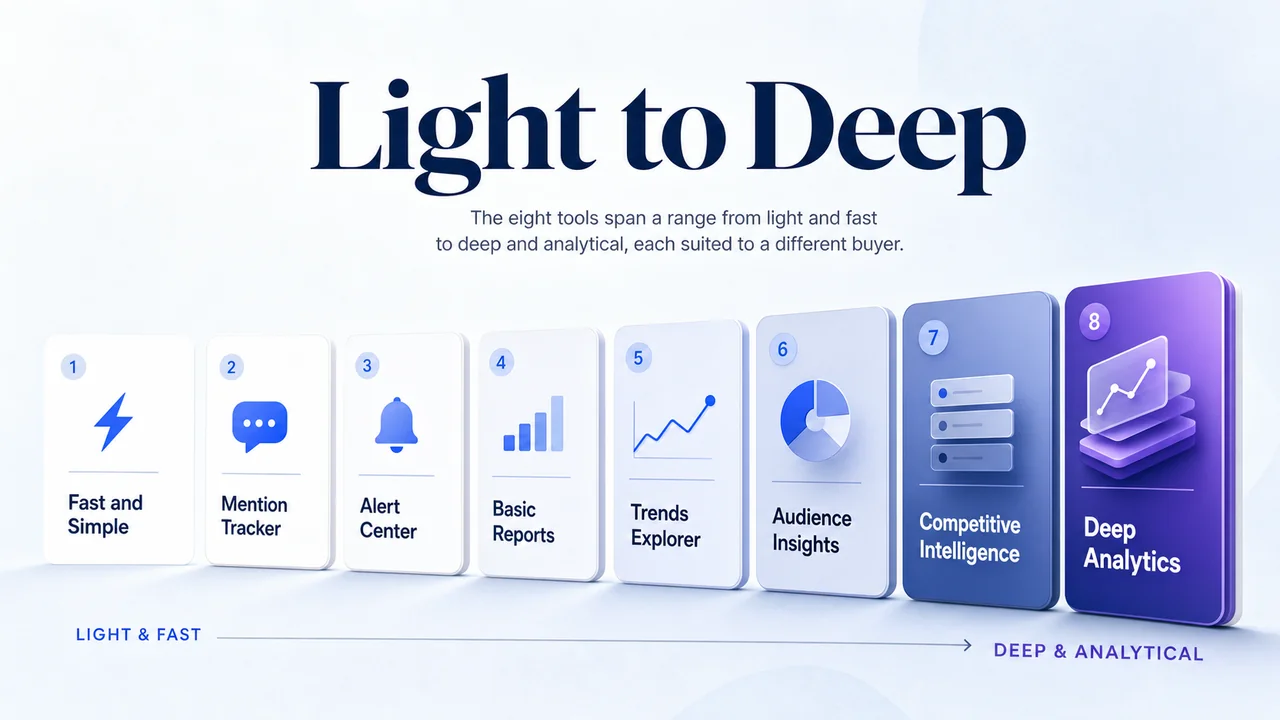
Each tool below opens with a one-line verdict, then covers what it tracks, who it suits, and one honest tradeoff. Lightweight tools win on speed and price.
Heavier platforms win on reporting, governance, and competitor intelligence. None is best for everyone.
1. WorkDuo: Best Overall for Scale and Insight
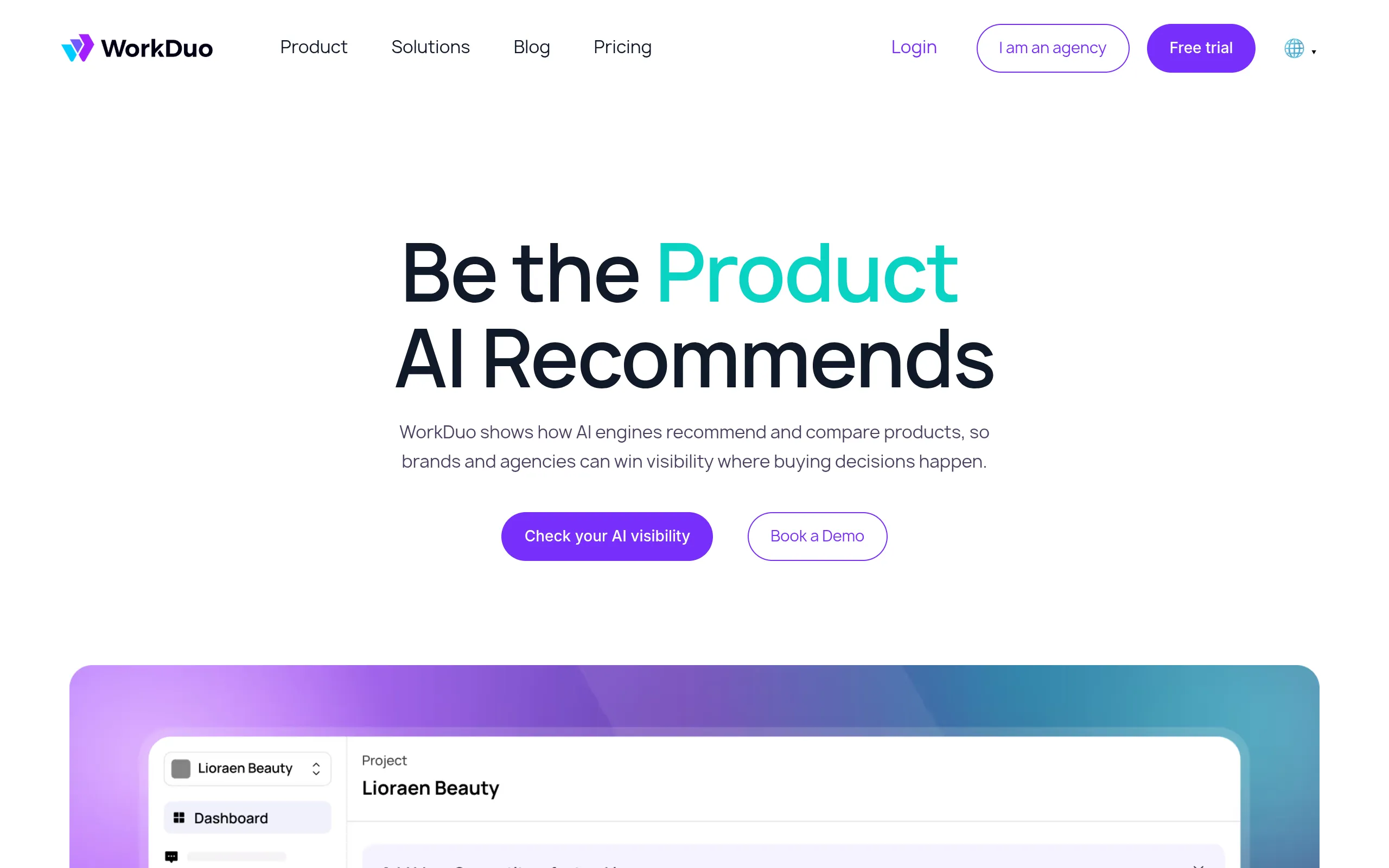
WorkDuo is an AI visibility platform built for teams that want more than a raw mention count, and it suits agencies and multi-brand marketing groups that need tracking plus actionable reporting.
It pairs mention and position tracking with sentiment analysis, citation intelligence, and competitor benchmarking, then exposes the data through a reporting API on its Enterprise plan, so you can pull it into your own dashboards.
What earns it the top spot is the combination of scale and synthesis. You can watch share of voice across your brand and rivals, read how ChatGPT frames you, and trace which sources feed the answers, all in one place.
The tradeoff is real: this is a fuller setup than a quick tracker, so a solo founder who just wants a weekly alert will feel the extra weight. Serious teams need visibility plus the ability to act on it, not screenshots of mentions, and that’s where WorkDuo fits.
- Best for: Agencies and multi-brand teams tracking mentions across AI engines
- Pricing model: Subscription, paid plans
- Standout feature: Reporting API for pulling mention data into custom dashboards
- Coverage: ChatGPT plus other AI surfaces
2. Otterly.AI: Best Budget-Friendly Option
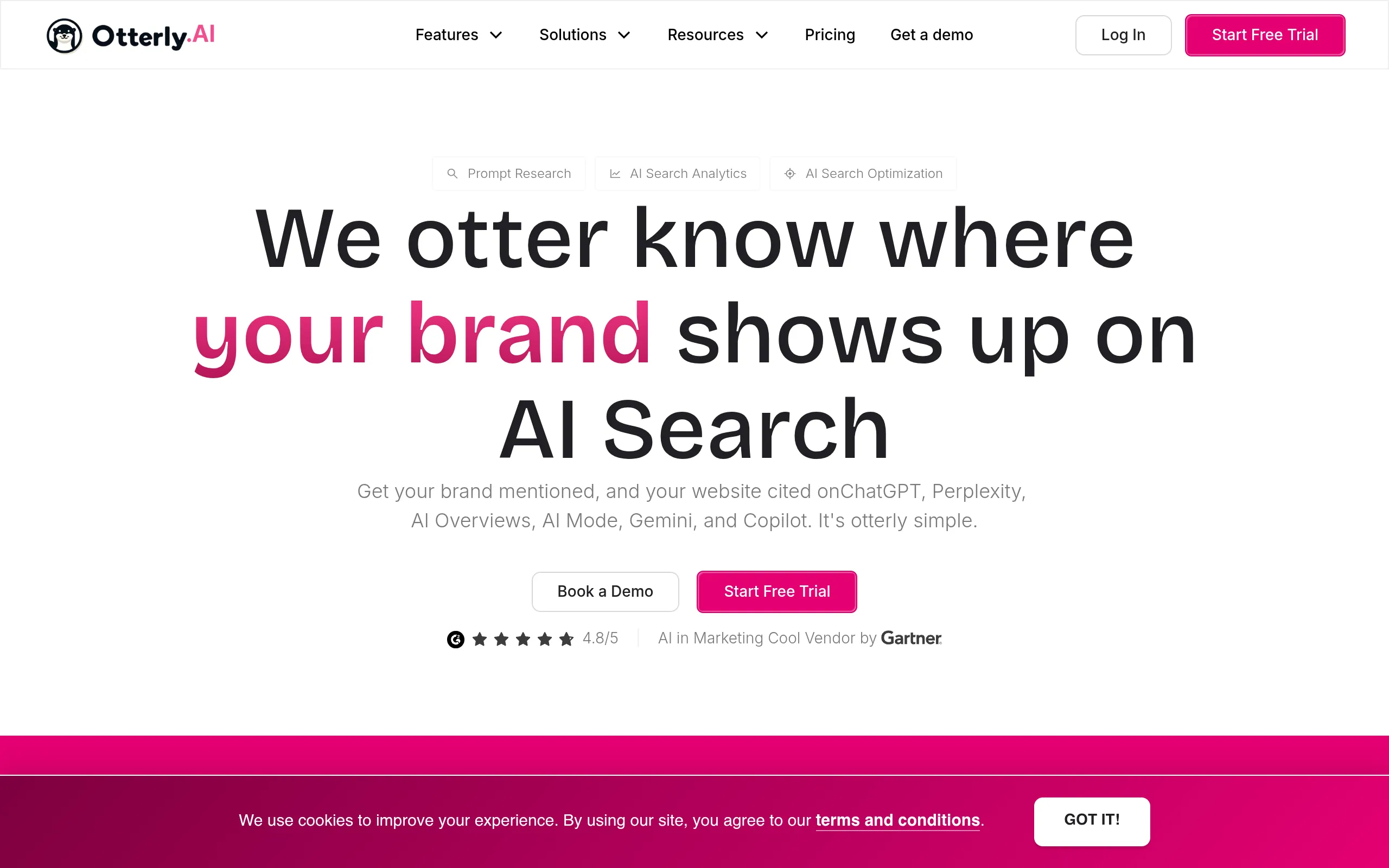
Otterly.AI is a simple, lower-cost way to track ChatGPT mentions and citations without a heavy onboarding, and it suits SMBs and smaller teams getting started. Affordability and ease of use are the point: you set up prompts, see whether your brand appears, and get basic alerts without learning a complex platform.
It does the core job well for lighter monitoring, quick checks and straightforward tracking of where you stand. It doesn’t go as deep as enterprise tools on competitor benchmarking or advanced analytics, so if your goal is strategy-grade share of voice analysis, you’ll outgrow it.
Many teams reach for Otterly.AI when they need an answer this week, not a full visibility program.
- Best for: SMBs wanting affordable, simple ChatGPT mention tracking
- Pricing model: Public paid plans, budget-friendly entry tier
- Standout feature: Low-friction setup with quick mention and citation checks
- Coverage: ChatGPT plus other AI engines
3. Profound: Best for Enterprise Teams
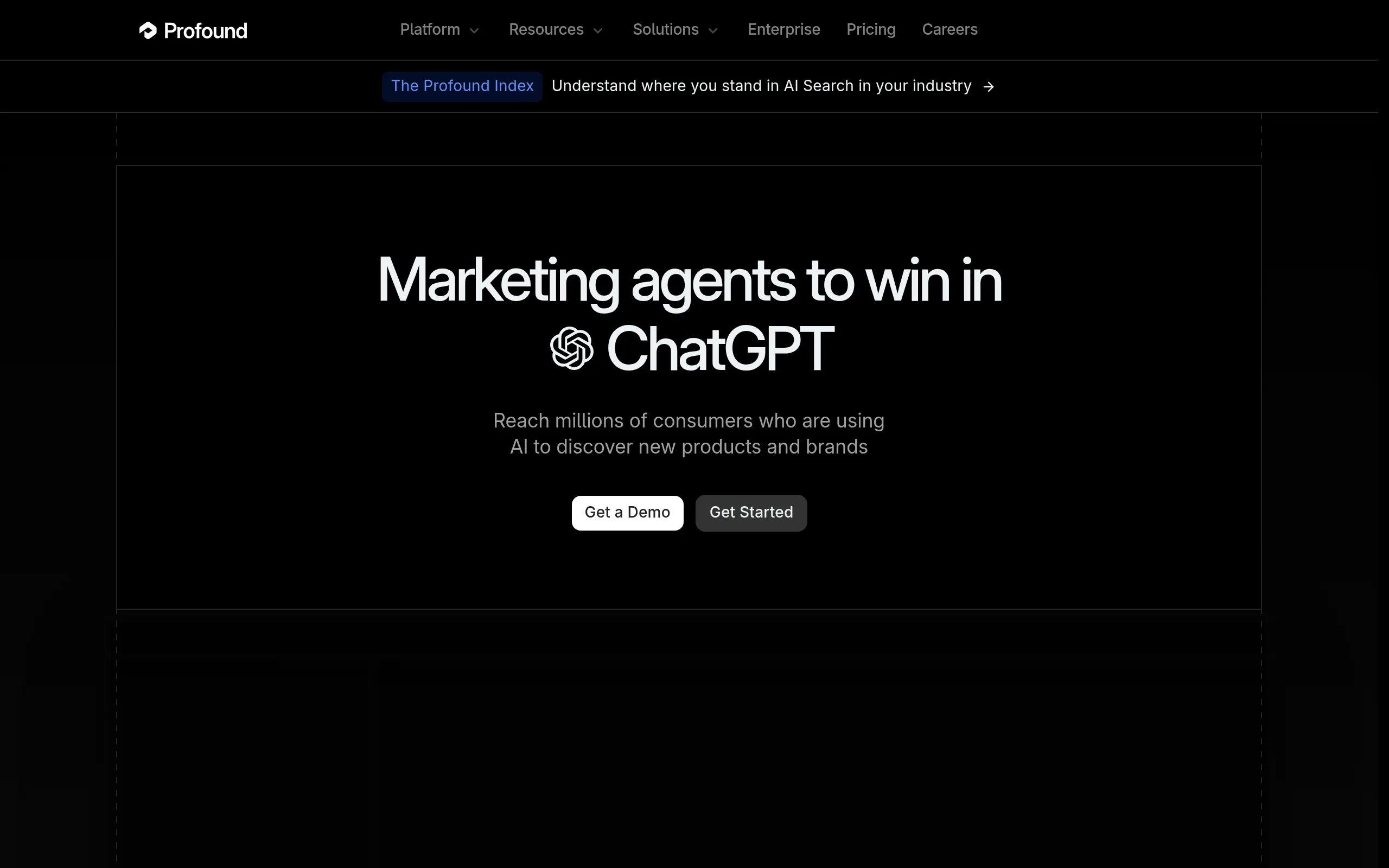
Profound is an enterprise-grade AI monitoring platform for organizations that need governance, reporting depth, and multi-brand workflows. It suits larger teams with approval layers, multiple stakeholders, and procurement standards that a lightweight tracker can’t meet.
The value sits in control and analysis. Profound is built for the buyer who wants auditability and reporting clarity before UI simplicity, with deeper analytics tied to business impact and competitive benchmarking across AI surfaces.
The tradeoff is cost and onboarding time: this isn’t a tool you spin up in an afternoon, and the price reflects the enterprise positioning. If your team is two people, this is overbuilt for you.
- Best for: Enterprise teams needing governance and reporting depth
- Pricing model: Quote-based, enterprise-led
- Standout feature: Deeper analytics tied to business impact and governance
- Coverage: ChatGPT plus other AI engines
4. Semrush AI Visibility Toolkit: Best for SEO Teams Already Using a Suite
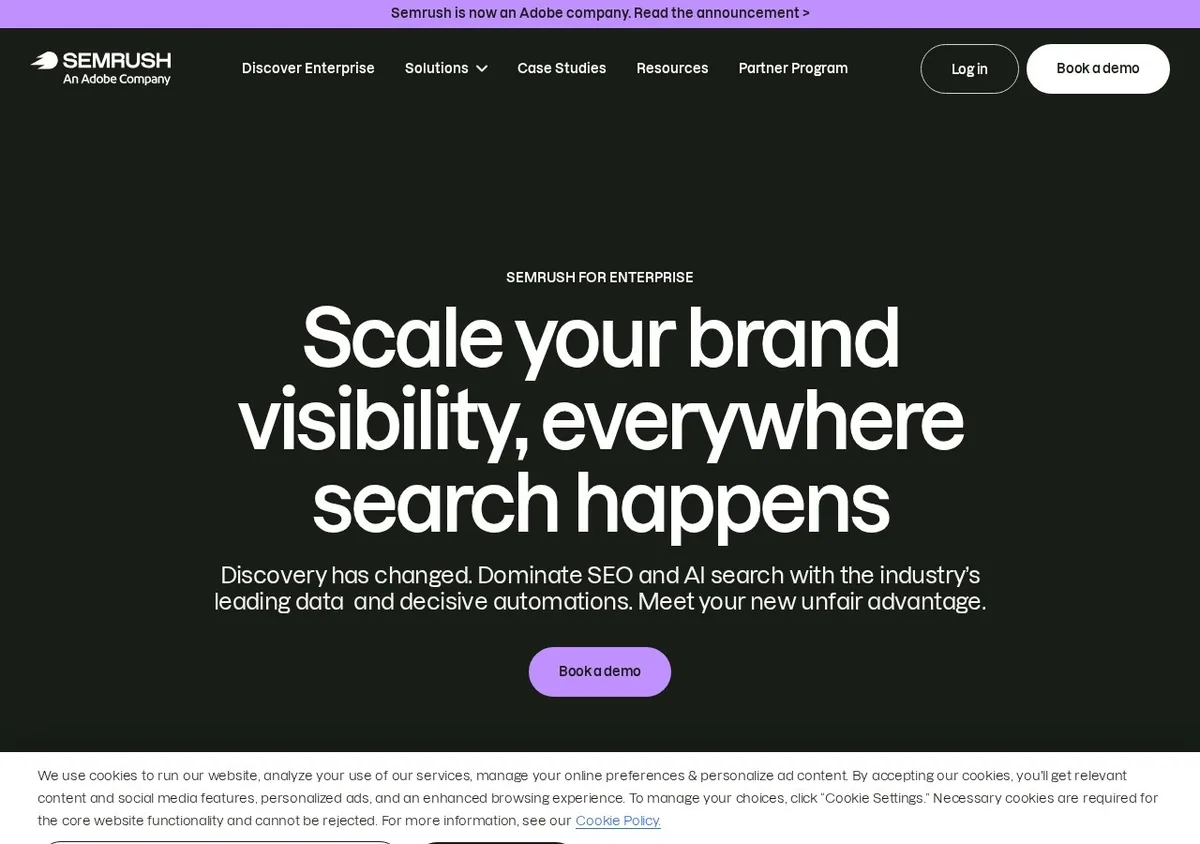
The Semrush AI Visibility Toolkit adds ChatGPT monitoring to an existing SEO stack, and it suits teams already running keyword, competitive, or content work inside Semrush. The main benefit is workflow convenience: you track AI mentions in the same place you already manage rankings and reporting, so you avoid maintaining another standalone platform.
SEO teams tend to prefer tools that plug into existing dashboards rather than adding new reporting silos, and that’s the case for Semrush here. It isn’t the deepest ChatGPT-only specialist, so a team that lives and dies by AI mention analysis may want a dedicated tracker.
But for centralizing SEO and AI visibility reporting under one subscription, the convenience is hard to beat.
- Best for: Teams centralizing SEO and AI visibility in one suite
- Pricing model: Part of a larger Semrush subscription
- Standout feature: Combined SEO and AI visibility reporting in one platform
- Coverage: ChatGPT plus AI search surfaces
5. Peec AI: Best for Fast Visibility Snapshots
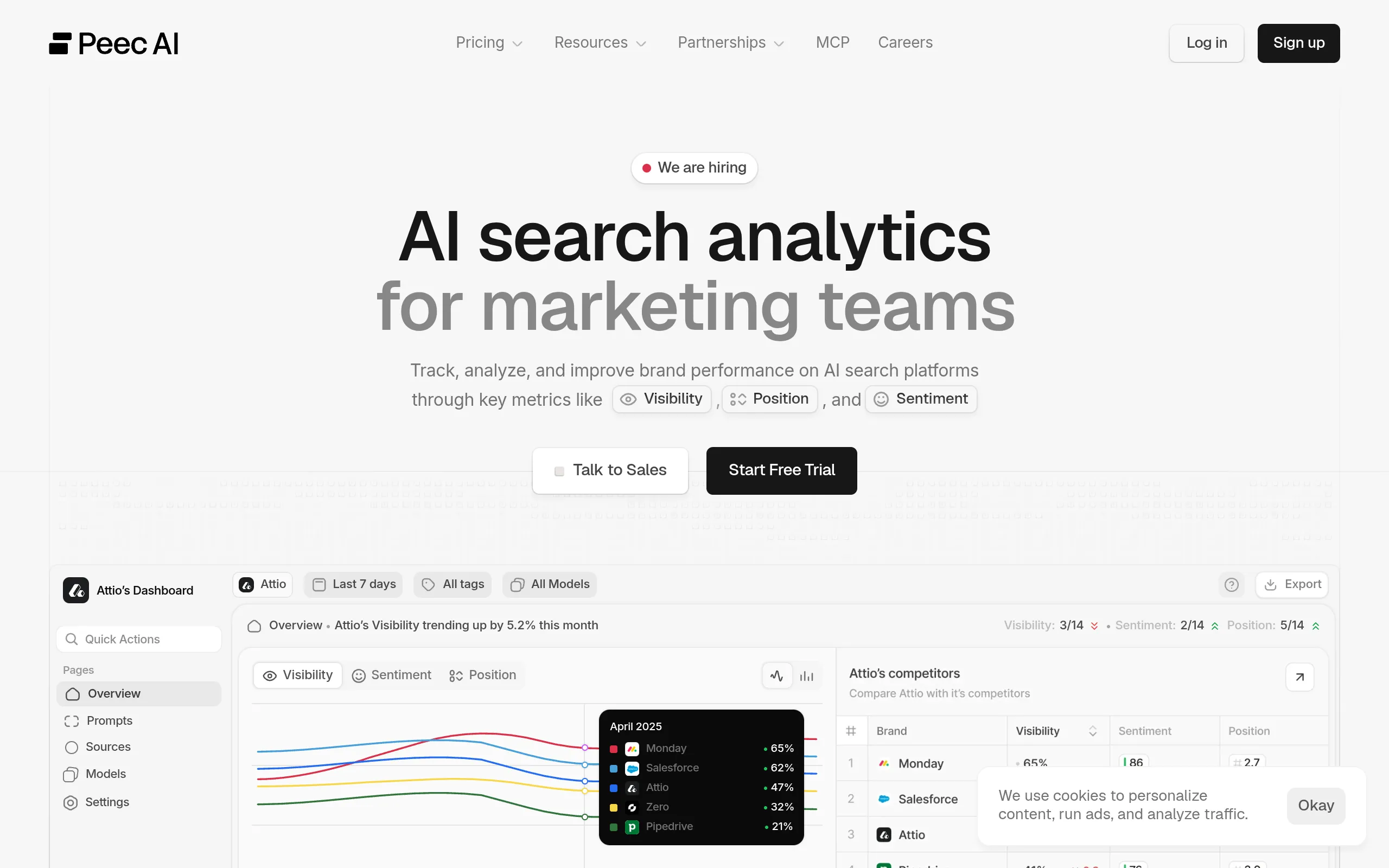
Peec AI is built for quick checks and prompt-level audits, and it suits teams that need fast answers on whether a brand appears in ChatGPT for specific prompts. Speed, simplicity, and short setup time are the draw, which makes it useful for prompt testing and early-stage AI visibility work.
Teams often run 10 to 20 prompts through a tool like this before they commit to a larger monitoring program, and Peec AI fits that exploratory step well. The limitation is lighter analytics: it gives you a snapshot, not the long-horizon trend depth or governance an enterprise platform offers.
For a budget-conscious team validating whether ChatGPT visibility is even a problem worth solving, that’s exactly the right scope.
- Best for: Quick prompt-level audits and early visibility testing
- Pricing model: Public plans, accessible for smaller budgets
- Standout feature: Fast snapshots with query fanout and sentiment
- Coverage: ChatGPT plus other AI engines
6. Ahrefs Brand Radar: Best for Multi-Platform AI Monitoring
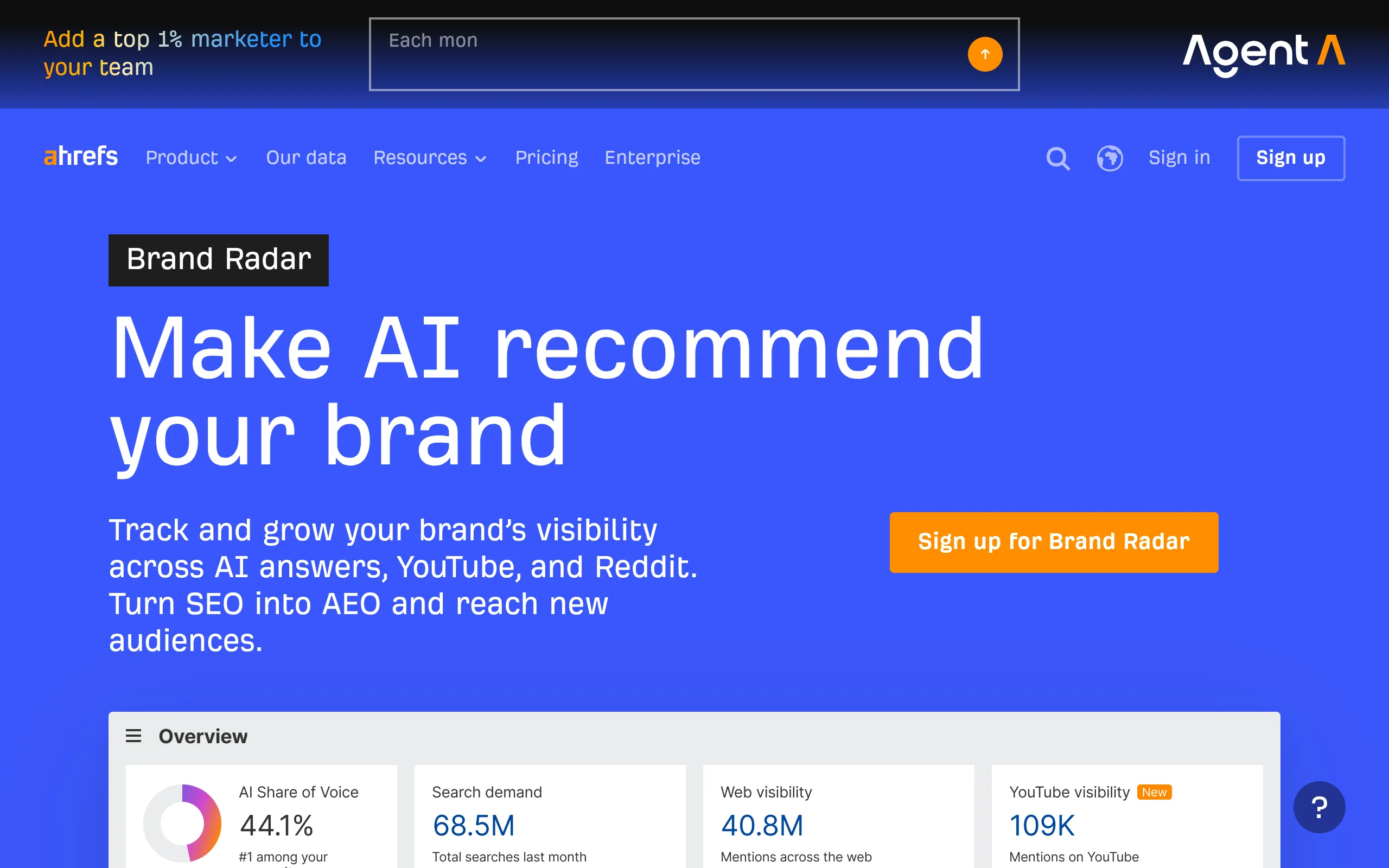
Ahrefs Brand Radar tracks brand visibility across multiple AI surfaces, and it suits teams that want a wider view than ChatGPT alone. It pairs competitor research, citation discovery, and brand visibility tracking with the broader Ahrefs data backbone, so you can see where you appear across AI contexts.
This matters because visibility can differ sharply between engines. You might be named in most ChatGPT answers for a category query yet nearly invisible in other AI search surfaces, and a single-platform tool would never show you that gap.
The tradeoff is that Brand Radar leans more research-oriented than operational, so a team wanting tight alerting on one platform may find it broader than they need. For mapping the full AI visibility picture, that breadth is the point.
- Best for: Teams wanting visibility across multiple AI engines
- Pricing model: Prompts included in paid Ahrefs plans; the AI Visibility Index is a $199/month add-on
- Standout feature: Cross-engine citation discovery and competitor research
- Coverage: Multiple AI surfaces
7. SE Ranking AI Visibility Tracker: Best for Agencies or Multi-Client Reporting
SE Ranking’s AI Visibility Tracker fits agency workflows and recurring client reporting, and it suits teams managing several brands at once. Dashboarding, exports, and client-friendly reports are the strength, and it pushes data into tools agencies already use like Looker Studio, AgencyAnalytics, Make, n8n, and Zapier.
Agencies care about multi-brand handling and repeatable reporting because the best tool is the one that turns monitoring into a report a client understands in five minutes. SE Ranking handles that well, with historical data, competitor benchmarking, and source-level detail inside an SEO suite.
It’s less deep than a dedicated brand-intelligence platform on narrative analysis, so an agency whose whole pitch is strategy consulting may want to pair it with something heavier. For day-to-day client reporting at scale, it earns its label.
- Best for: Agencies producing recurring multi-client AI visibility reports
- Pricing model: Subscription within the SE Ranking suite
- Standout feature: Integrations and exports into agency reporting stacks
- Coverage: ChatGPT plus other LLMs
8. Scrunch AI: Best for Advanced Analytics and Brand Intelligence
Scrunch AI is the most analytics-heavy option here, and it suits teams that want strategy inputs, not just mention alerts. It goes deep on sentiment, share of voice, narrative analysis, and competitor intelligence, with a technical, agent-friendly lean for teams thinking about how AI crawls and represents their content.
The point of a tool like this isn’t only knowing you were mentioned, but understanding how you’re framed, so you can feed that into messaging, positioning, and content decisions. That makes it valuable for brand and content strategists turning AI visibility data into a plan.
Self-serve plans start at $250 a month billed annually, so a team that only needs a weekly “are we showing up” check shouldn’t buy it. The depth is wasted on simple monitoring.
- Best for: Strategy teams turning AI visibility into messaging decisions
- Pricing model: Subscription, paid plans
- Standout feature: Narrative and sentiment analysis for brand intelligence
- Coverage: ChatGPT plus AI surfaces
The Shortlist Side by Side
Here’s the full set in one view, so you can match a pick to your situation without rereading the reviews.
| Tool | Best for | Pricing model |
|---|---|---|
| WorkDuo | Overall, scale and insight | Public plans; API on Enterprise |
| Otterly.AI | Budget-friendly tracking | Public, low entry tier |
| Profound | Enterprise teams | Quote-based |
| Semrush AI Visibility Toolkit | SEO suite users | Part of subscription |
| Peec AI | Fast snapshots | Public plans |
| Ahrefs Brand Radar | Multi-platform monitoring | Subscription tiers |
| SE Ranking AI Visibility Tracker | Agency reporting | Suite subscription |
| Scrunch AI | Advanced analytics | Public plans from $250/month |
How we picked: each tool was judged on mention detection accuracy, citation depth, historical tracking, alerting and exports, and pricing clarity, then assigned the single use case where it clearly leads. We didn’t rank one tool above another on a universal scale, because the best choice changes with budget, team size, and monitoring maturity.
How to Check ChatGPT Mentions by Hand
You can run a manual baseline before you pay for a tracker. It shows what the tools automate and gives you numbers to judge them against.
- Write 10 to 20 prompts a buyer would ask, such as the best tools for your use case, plus a few that name your brand.
- Run each one logged out or in a temporary chat, so your own history doesn’t shape the answer.
- Record whether your brand appears, where it sits in the answer, and which competitors appear with it.
- Note the sources ChatGPT cites when it searches the web, because those are the pages worth earning a mention on.
- Repeat the same prompts every week. Answers vary between runs, so the trend matters more than any single result.
Once the prompt list outgrows a spreadsheet, one of the tools above starts to earn its price.
How to Choose the Right Tool for Your Team
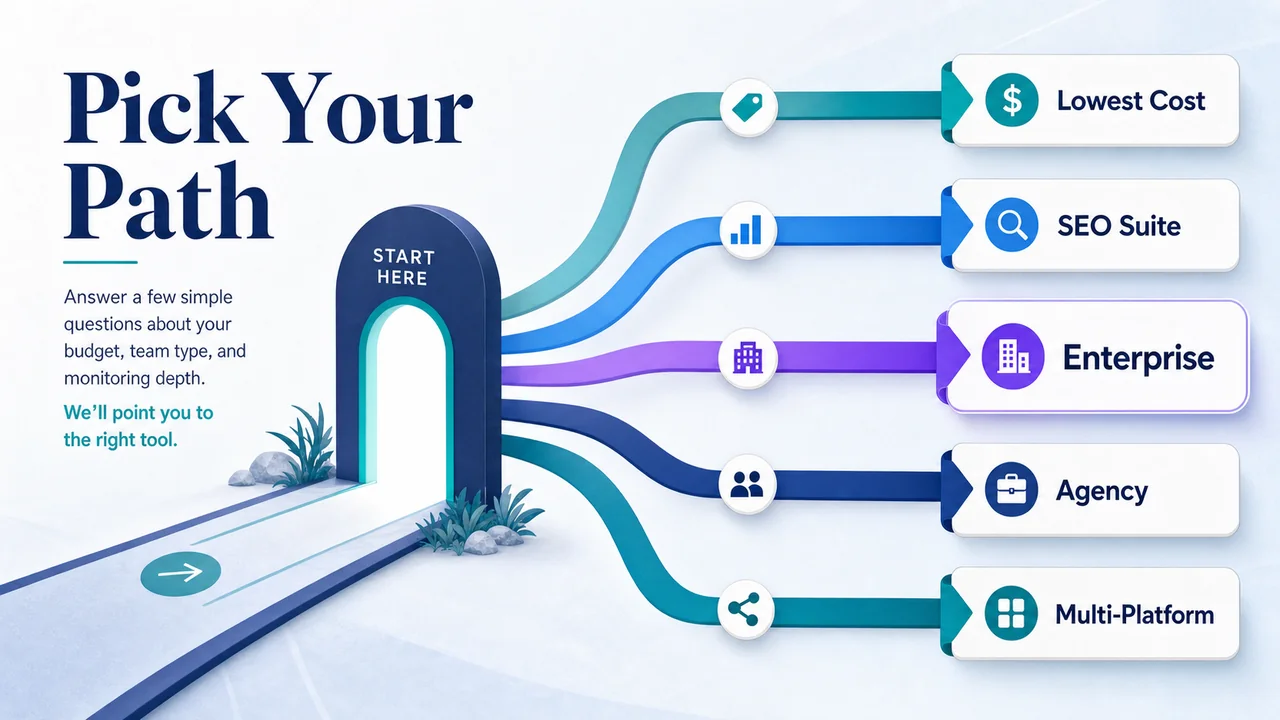
The wrong purchase usually happens when a team buys for features instead of workflow fit. Use the routing below to skip straight to the pick that matches your situation.
If You Need the Lowest-Cost Entry Point
Choose a simple tracker like Otterly.AI or Peec AI. Both let you confirm whether ChatGPT names your brand for key prompts without a long setup or a large invoice, which is the right scope when you’re still proving the problem is worth solving.
If You Already Run an SEO Suite
Prioritize Semrush or Ahrefs Brand Radar over adding a standalone tool. Centralizing AI mention data in a platform you already pay for and check daily beats maintaining a separate login and a separate report your team forgets to open.
If You Need Governance and Multiple Stakeholders
Choose Profound or Scrunch AI. When approvals, auditability, and reporting depth matter more than a fast setup, these platforms give you the control and analysis that lighter trackers can’t, even at a higher cost and a longer onboarding.
If You’re an Agency
Prioritize exports, dashboards, and multi-client workflows, which points to SE Ranking. The deciding factor is whether the tool produces a report a client understands quickly, not whether it has the most features.
If You Care About Broader AI Visibility
Choose a multi-platform tracker like Ahrefs Brand Radar so you see ChatGPT alongside other engines. Single-platform tools hide the gaps where you’re strong in one model and invisible in another, and those gaps are usually where the opportunity sits.
2026 Update: What Changed in ChatGPT Monitoring
Two shifts are reshaping how teams evaluate these tools in 2026. First, Ahrefs’ 75,000-brand study found branded web mentions correlate with AI visibility at 0.66 to 0.71, meaning the tools that only track citations miss half the picture; mention-building matters as much as mention-tracking.
Second, in Semrush’s study of 115 prompts, ChatGPT cited brands 87% of the time but named them in only 20.7% of answers. Raw monitoring tools can measure that gap but not close it. Closing it requires the same earned-mention strategy that improves organic rankings, which is why done-for-you brand mention building increasingly sits alongside monitoring software rather than replacing it.
For the manual baseline these tools automate, see how to check ChatGPT mentions by hand.
Quick Answers Buyers Ask About ChatGPT Trackers
What’s the best ChatGPT mentions tracker?
There’s no single best tracker, there’s a best fit. For lean teams the lightweight trackers above get opened weekly, which matters more than feature depth.
For enterprise reporting, Profound-tier platforms hold up in front of stakeholders. Pick from the ranked list based on engine coverage, budget, and who reads the reports.
How can I monitor ChatGPT mentions easily?
The easiest starting point costs nothing: run ten buyer-intent prompts in a fresh ChatGPT session each week and log whether your brand appears. When that becomes tedious, a tracker automates the same prompts on a schedule. Easily maintained beats feature-rich if the tool never gets opened.
Are there free tools for monitoring brand visibility in ChatGPT responses?
Yes. Manual prompt checks are free, and Otterly.AI offers new users a free trial, with paid plans from $29 a month. Free options prove the concept; paid tiers add scheduling, history, and competitor tracking.
Can a tool track how often my brand gets recommended in ChatGPT?
Yes. The metric is inclusion rate: across repeated runs of the same prompt set, the share of answers where your brand is named or recommended.
Most tools in this roundup log it automatically, which turns a one-off check into a trend you can act on. Some vendors label the same capability ChatGPT response monitoring.
Which media monitoring platforms get mentioned most in ChatGPT answers?
If you compete with established suites such as Brandwatch, Meltwater, and Sprout Social, prompt-level tracking shows whether ChatGPT names you alongside them and which sources drive that.
FAQ
How do I monitor brand mentions in ChatGPT?
You monitor ChatGPT brand mentions by running a consistent set of category and buying-intent prompts on a schedule, then recording whether and how your brand appears.
You can do this manually in a logged-out session, but results vary run to run, which is why most teams use a tool that automates prompts, tracks trends, and alerts on changes. The manual steps are set out above.
What’s the difference between a ChatGPT mention and a citation?
A mention is your brand name appearing in the generated answer, while a citation is a linked source the model draws from. You can have one without the other, and tracking both gives a fuller picture: mentions shape how buyers perceive you, and citations show which of your pages the model trusts.
Can I track competitors in ChatGPT, not just my own brand?
Yes. Every tool on this list supports competitor tracking, and share of voice across rivals is one of the most useful signals you get. Seeing a competitor named for prompts where you’re absent tells you exactly which buying questions to target with content and citations.
Is manual monitoring enough, or do I need a paid tool?
Manual monitoring works for a one-time spot check, but it breaks down fast. ChatGPT answers shift between runs, so a single manual prompt can mislead you, and checking a meaningful prompt set by hand every week doesn’t scale.
A small team validating the problem can start manually, then move to a paid tool once monitoring becomes a recurring task.
Should I monitor ChatGPT only or other AI engines too?
Monitor more than ChatGPT if your buyers use other assistants, which most do. Visibility differs sharply between ChatGPT, Perplexity, Gemini, and Copilot, so a strong ChatGPT presence can hide weak coverage elsewhere.
Start with ChatGPT if that’s where your audience concentrates, then expand. Our overview of tracking brand mentions in AI search results covers the cross-engine approach.
Matching the Tool to How Your Team Actually Works
The best tool for monitoring ChatGPT mentions is the one your team will open every week, which usually comes down to budget, team size, and monitoring maturity rather than the longest feature list.
Start simple with Otterly.AI or Peec AI, lean on Semrush or Ahrefs if you already live in a suite, scale to Profound or Scrunch AI when governance and analytics matter, and reach for SE Ranking when client reporting is the job.
This is about visibility, reputation, and competitive positioning, not vanity metrics, so pick for the workflow you’ll keep, not the demo that looks best. Want to see where you stand before you buy anything? Book a strategy call.