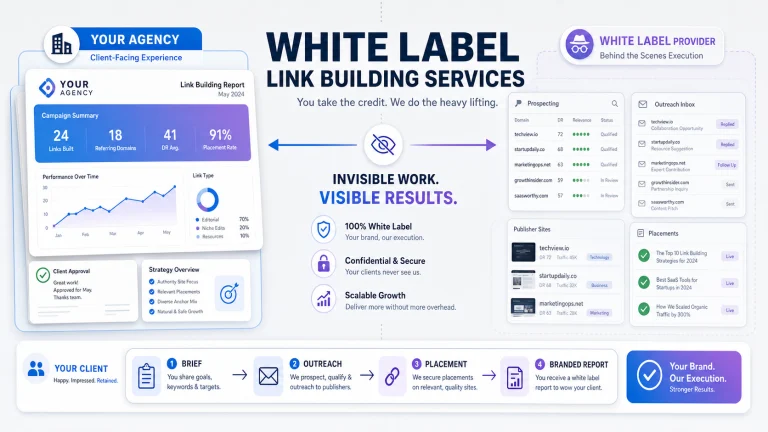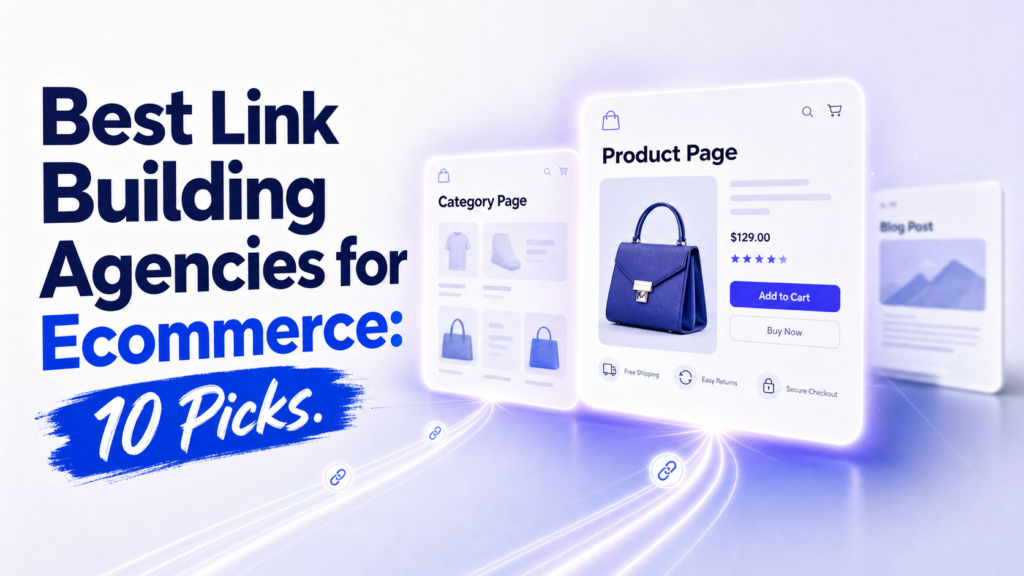

If your category pages are stuck on page two, the problem is often not content volume but the kind of links pointing at them. Most agencies are built to win links for blog posts, where editors say yes easily.
Ecommerce is harder, because the pages that drive revenue are commercial, and few publishers link to a product or collection page without a reason.
This is a curated shortlist of 10 link building agencies that fit ecommerce brands, ranked by ecommerce experience, link quality, transparent pricing, and proof, so you can shortlist fast rather than learn to run campaigns yourself. The best pick depends on whether you need product-page support, category-page authority, or digital PR style placements.
Why Ecommerce Brands Need Specialized Link Building Agencies
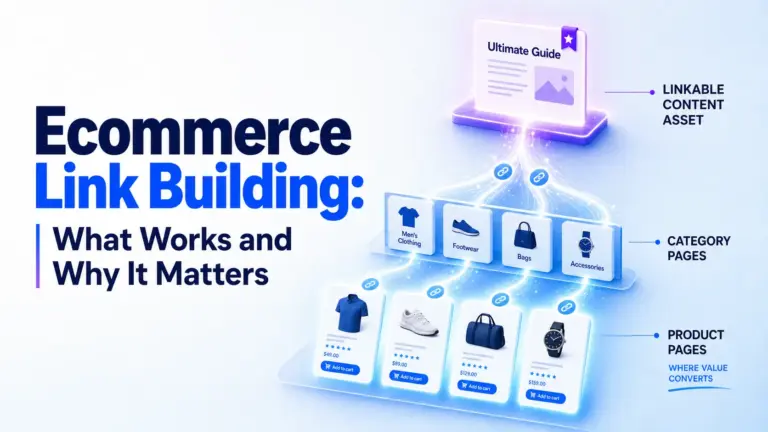
Ecommerce stores need links that strengthen category pages, product detail pages, and collection hubs, not only the blog. A generalist agency will happily build editorial links to your guides and resource posts. That helps topical authority, but it rarely moves the commercial pages that actually convert.
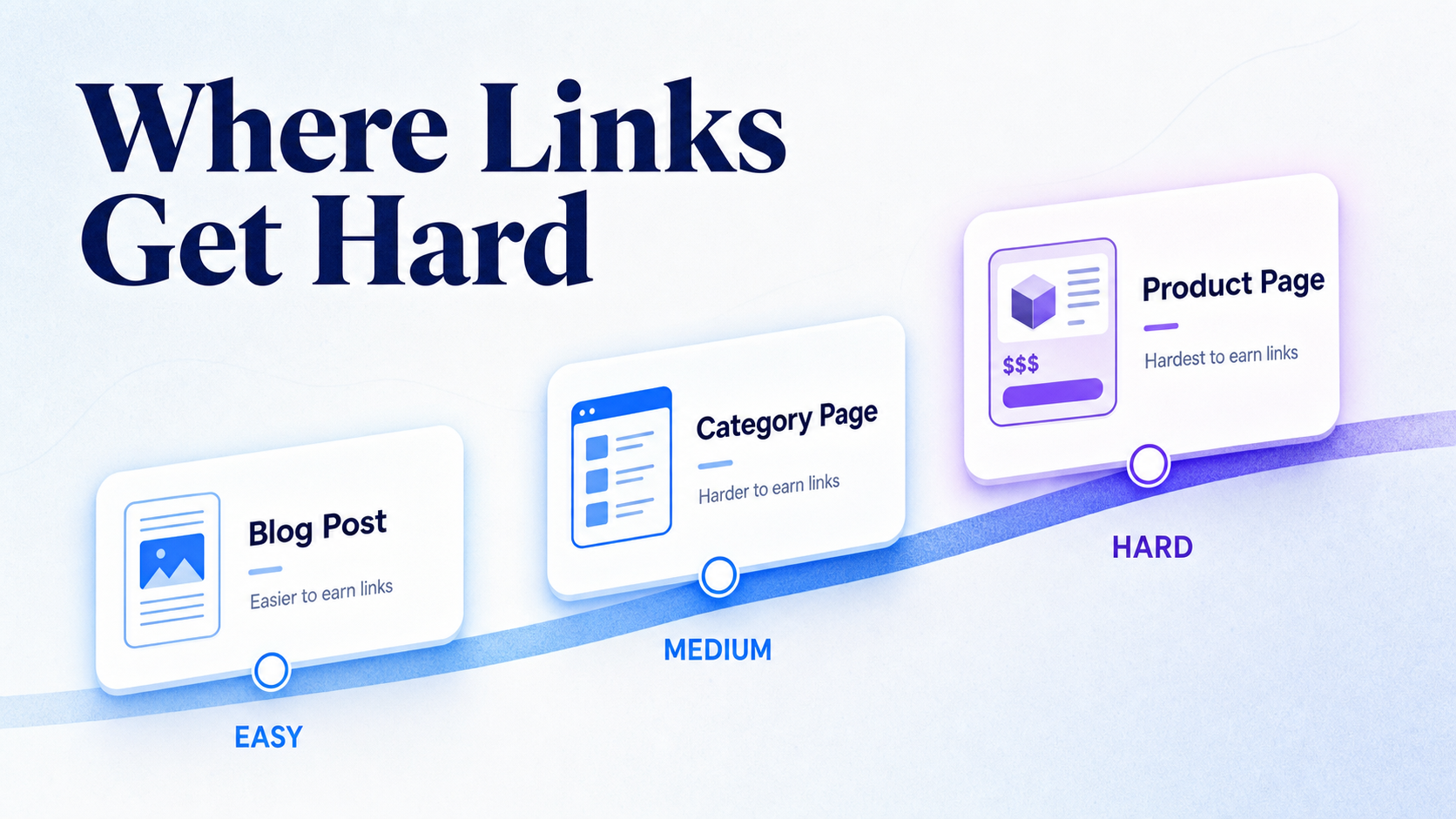
The agencies that win for ecommerce understand catalog depth, seasonal demand, and page-level revenue impact. They know that a link to a “best running shoes” buying guide and a link to your running-shoe collection page do different jobs. They plan for peak windows, like Q4 or back-to-school, before the demand arrives instead of after.
The honest filter is simple. Ecommerce campaigns win when links point at revenue pages, not only at thought leadership content. An agency that can only land guest posts will optimize for the easy yes, and your product URLs stay starved.
Use this article as a shortlist for fast vendor evaluation. Each profile names what the agency is, who it fits, why it matters for stores, and a pricing or proof signal. You can read more about how brands earn discovery in AI visibility for ecommerce brands once you’ve your link partner in place.
Criteria We Used to Rank the Agencies
The shortlist below is editorial, not pay-to-play. Here’s exactly how each agency earned its place.
Real Ecommerce Experience
Agencies rank higher when they show genuine ecommerce work, especially campaigns aimed at category and product pages. A track record of SaaS-only links is a weaker signal for a store than a portfolio of online-retail placements.
Link Quality Over Volume
Quality beats raw counts. The shortlist favors contextual placements on relevant publishers with clean editorial standards, not bulk directories or low-relevance blog networks that put your domain at risk.
Transparent Pricing Signals
Each agency here either publishes pricing or describes a clear pricing model. Custom quotes are fine. Pricing you can’t find anywhere, paired with vague promises, isn’t.
Visible Proof
Case studies, third-party review profiles, recognizable client names, or measurable outcomes all count as proof. An agency that can show sample placements is more credible than one that only describes its process.
Page-Type Coverage
Higher scores go to agencies that can support multiple ecommerce page types, not just blog content. A strong partner can show sample placements and explain how it would treat collection pages, product detail pages, and brand mentions differently.
The 10 Best Link Building Agencies for Ecommerce
Every profile follows the same shape: what it is, who it fits best, why it matters for ecommerce, a pricing or proof signal, and the key benefit. That keeps the list scannable so you can compare service style and budget fit without rereading each entry.
1. BrandMentions
Disclosure: BrandMentions publishes this guide, and Outreach Desk, next on this list, is run by the same team.
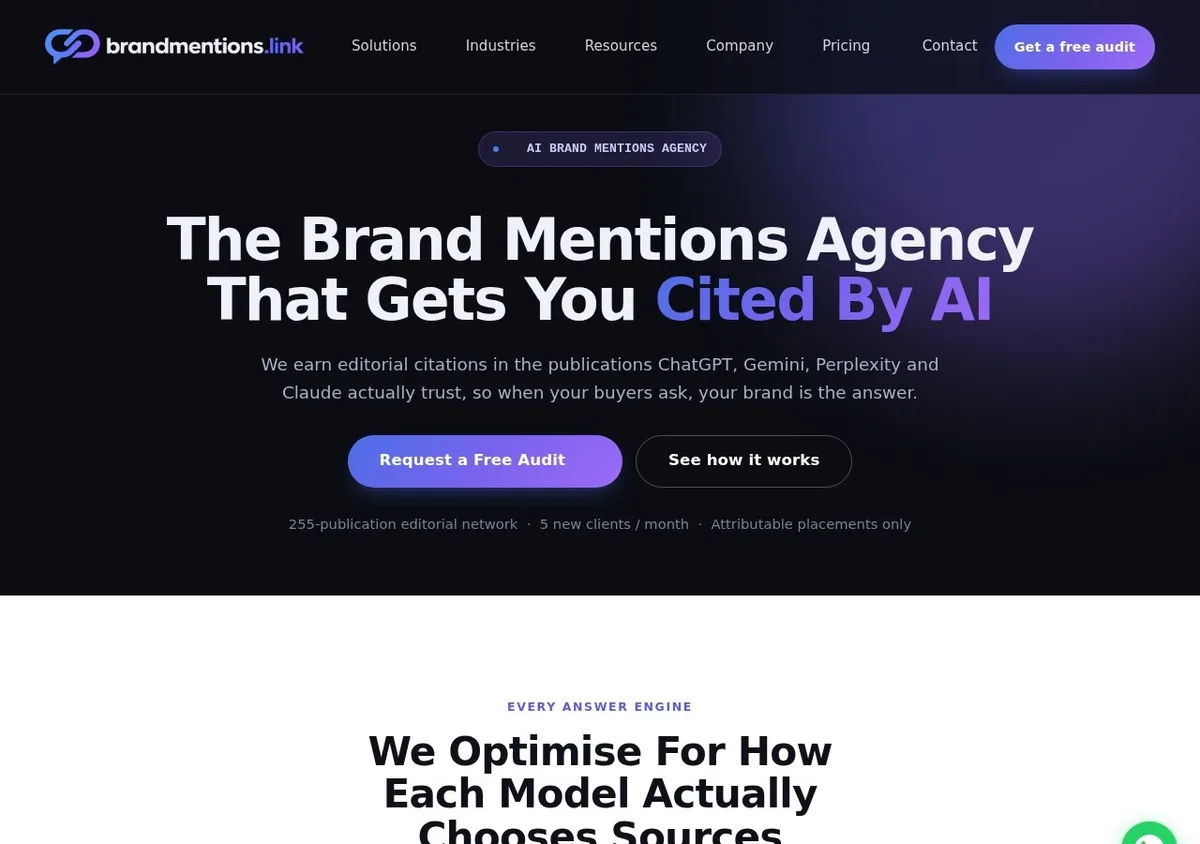
BrandMentions is a done-for-you link building and digital PR agency built for the AI-search era. Best for ecommerce brands that want links that also earn citations in ChatGPT, Gemini, Perplexity, and Claude.
The agency earns editorial placements and brand mentions across a 255-publication network, targeting the sources AI assistants actually cite when shoppers ask for product recommendations.
It matters for stores because buying journeys now start inside AI answers as often as search results, and the brands cited there own the consideration set. Placements are attributable and named, reporting ties each one to AI-citation and search impact, and intake is capped at around five new clients a month to protect quality.
Pricing sits mid-to-premium, suited to brands investing in durable authority for product and buying-guide pages.
- Best for: Ecommerce brands that want links that also earn citations in ChatGPT, Gemini, Perplexity, and Claude
- Pricing: Mid to premium, capped at ~5 new clients/month
- Standout strength: 255-publication network with attributable, named placements
2. Outreach Desk
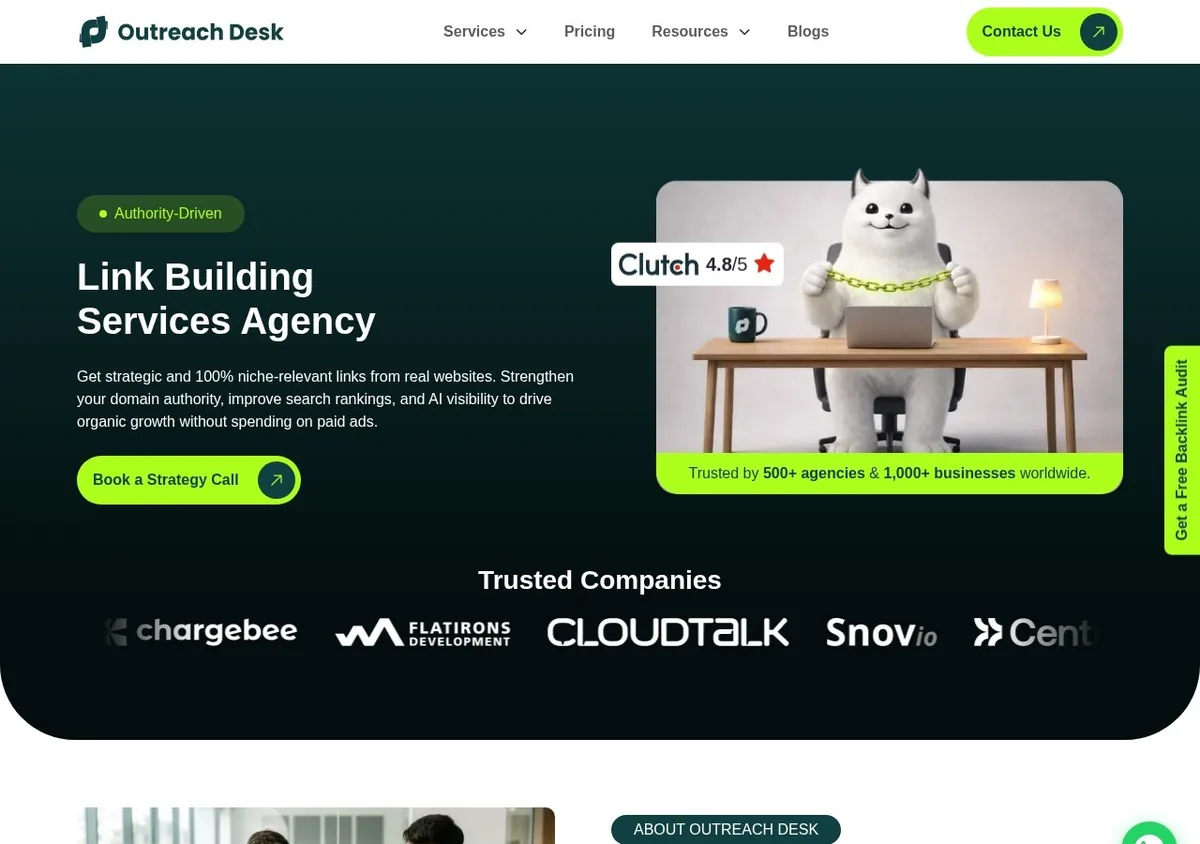
Outreach Desk is a link building services agency focused on 100% niche-relevant, editorially placed links from real websites. Best for stores that want transparent, managed outreach without running the campaign themselves. The model is manual, relationship-driven outreach that produces contextual placements search engines and LLMs trust.
It matters for ecommerce because commercial pages need steady authority from relevant publishers, not bulk directories. The agency holds a 4.8/5 Clutch rating and is trusted by 500+ agencies and 1,000+ businesses, with clear placement-based reporting.
Pricing is mid-range, and the model scales from a single campaign to white-label volume for stores and the agencies that serve them.
- Best for: Stores that want transparent, managed outreach without running the campaign themselves
- Pricing: Mid-range
- Standout strength: 4.8/5 Clutch rating, trusted by 500+ agencies and 1,000+ businesses
3. Vazoola
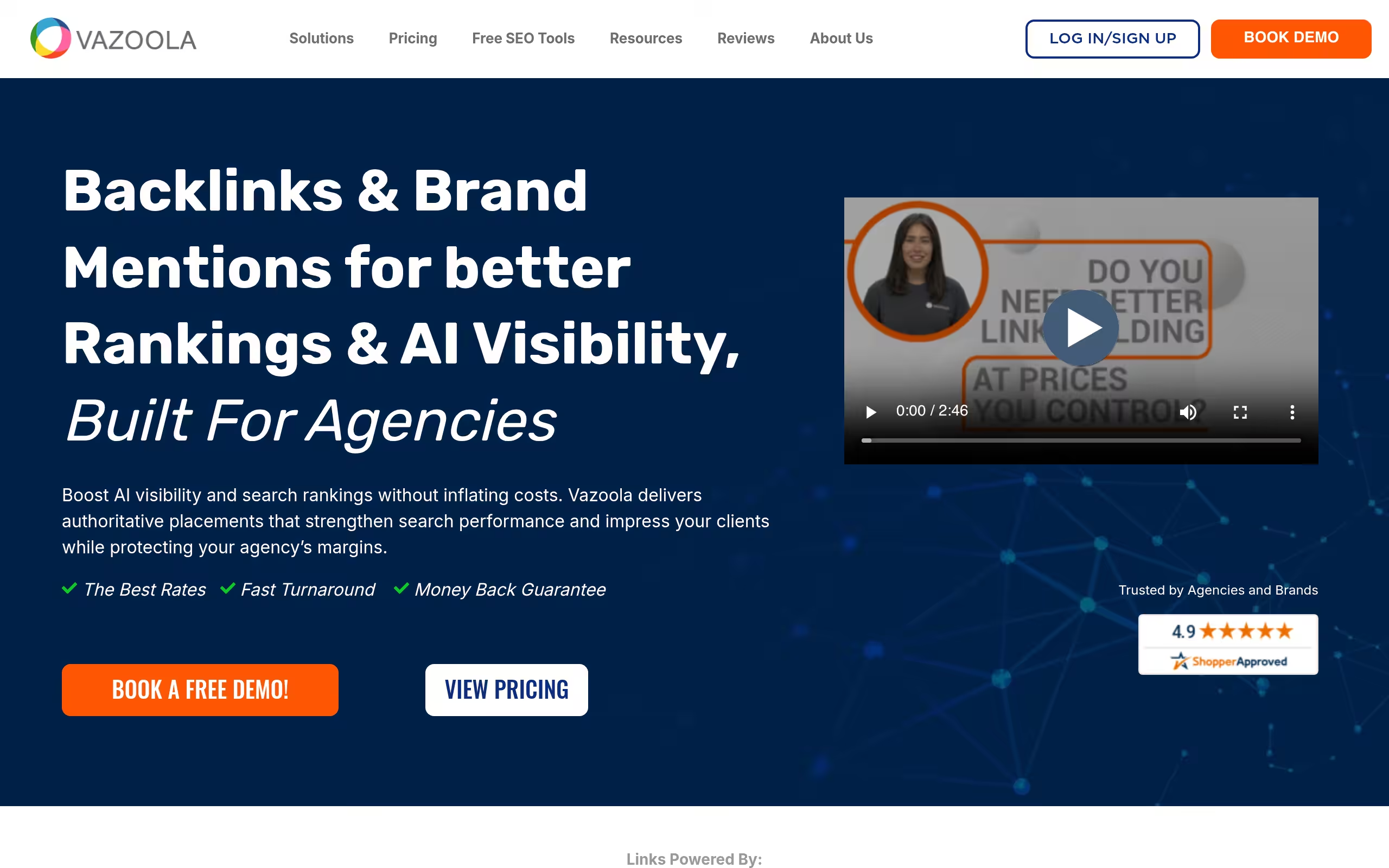
Vazoola runs an ecommerce-specific link building service built around white-hat, pay-per-placement buying. Best for Shopify and WooCommerce stores that want flexible spend and a straightforward buying process. It positions explicitly around product-page and category-page support.
That fit matters for smaller teams, because controlled, one-time placement fees make budgeting simple and lower the risk of overcommitting. Vazoola publishes tiered pricing keyed to domain authority, which gives you a clear entry point. The key benefit is an easy on-ramp for brands that want transparent costs and no long contract.
- Best for: Shopify and WooCommerce stores that want flexible spend and straightforward buying
- Pricing: Tiered by domain authority, published pricing
- Standout strength: Pay-per-placement with no long contract
4. KlientBoost
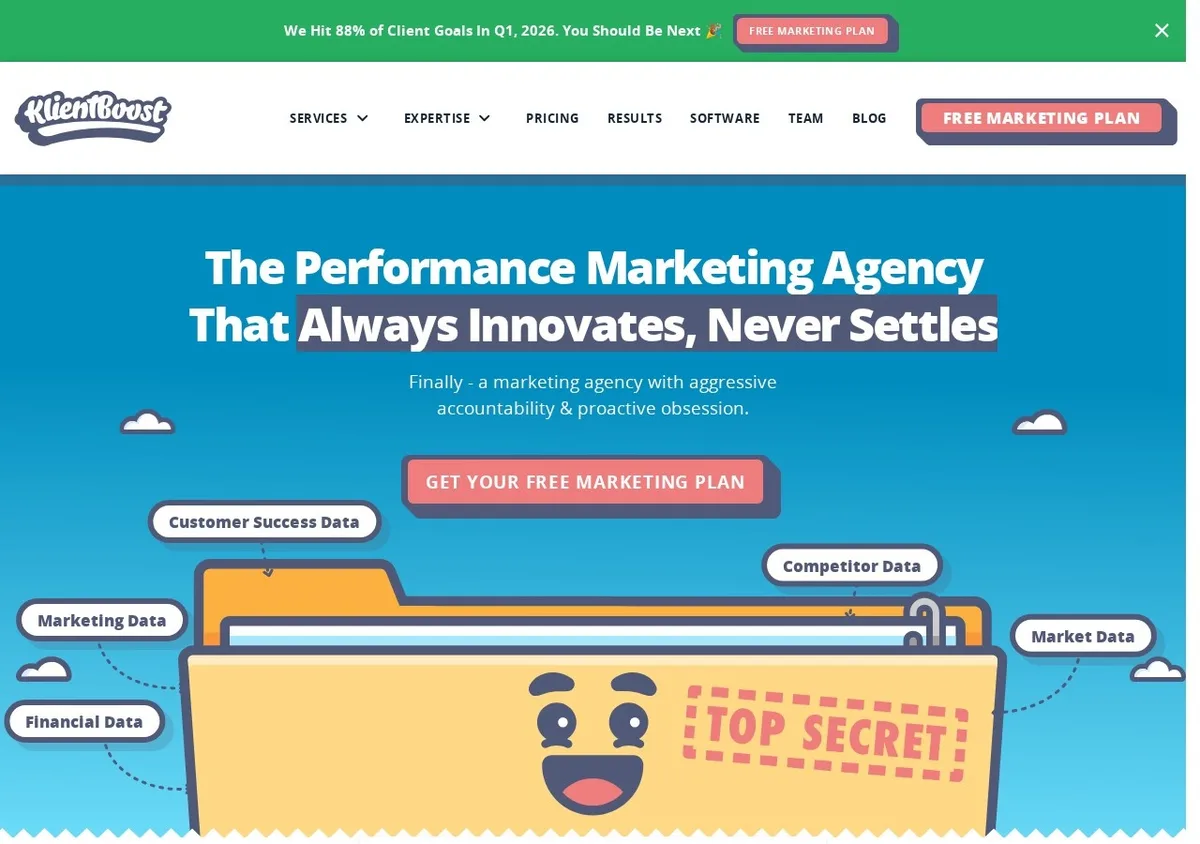
KlientBoost is a full-funnel agency that ties link building to content, SEO, and performance marketing. Best for ecommerce teams that want links connected to conversion goals, not isolated rankings. It builds link campaigns inside a broader growth system rather than selling links alone.
For stores chasing revenue rather than vanity metrics, that integration matters, because outreach guided by commercial intent tends to target pages that actually sell. The site shows active-client counts, case studies, and a large review volume as proof. The key benefit is link acquisition embedded in a wider performance plan.
- Best for: Ecommerce teams that want links connected to conversion goals, not isolated rankings
- Pricing: Custom
- Standout strength: Link building embedded in a full-funnel growth system
5. uSERP
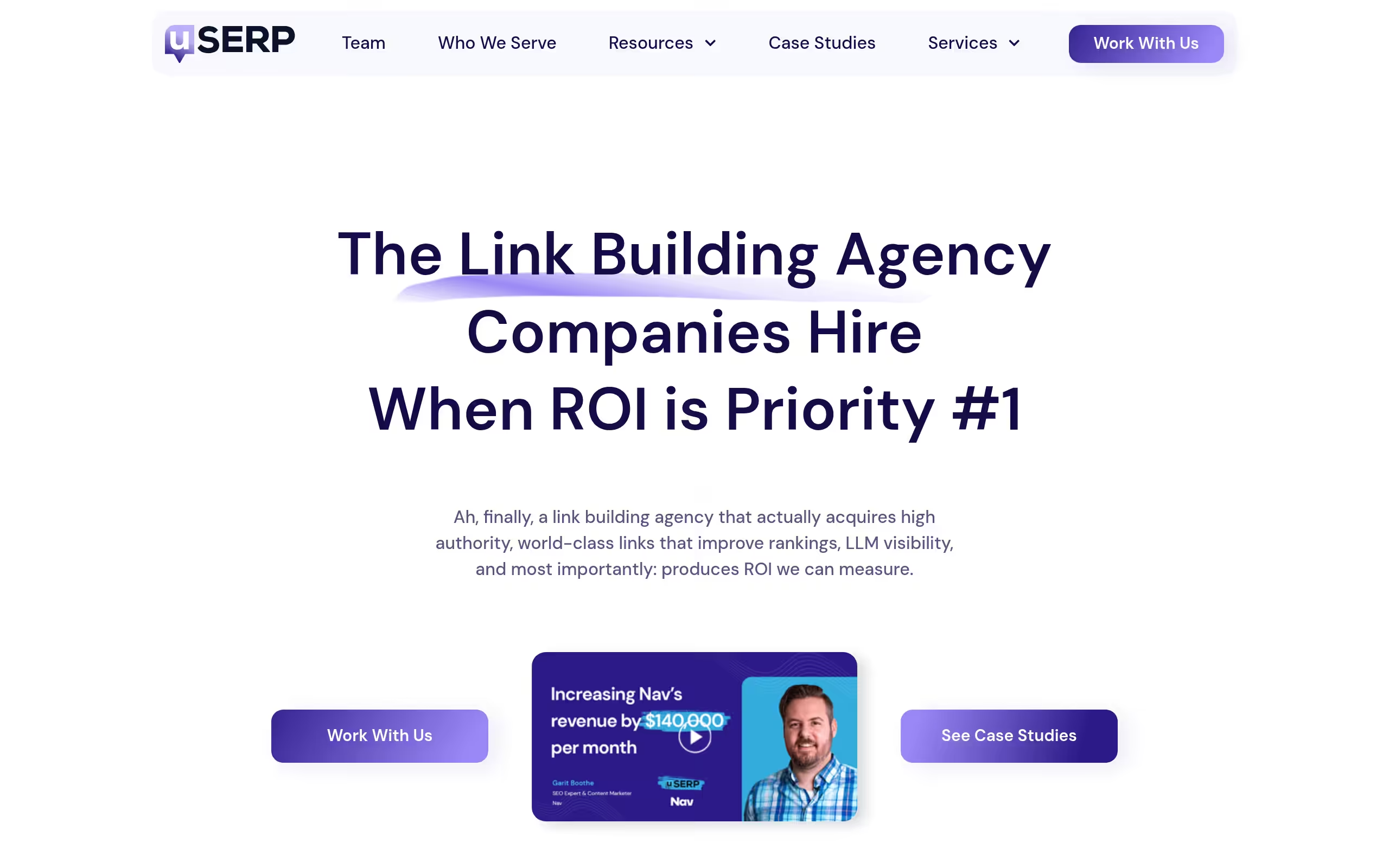
uSERP is a premium digital PR and SEO agency with strong publisher relationships. Best for enterprise ecommerce brands that need authority links and branded mentions in competitive categories. It blends earned media with link acquisition rather than treating them as separate tracks.
Large catalogs and crowded results pages need authority signals, not cheap volume, which is where this style of placement matters. Public materials cite a starting monthly price in the higher range and recognizable client logos. The key benefit is a strong fit for larger teams that value authority and brand presence over headline cost.
- Best for: Enterprise ecommerce brands that need authority links and branded mentions in competitive categories
- Pricing: Higher monthly start
- Standout strength: Blends earned media with link acquisition, recognizable client logos
6. Siege Media
Siege Media is a content and digital PR agency that earns links through assets rather than pure outreach. Best for content-led ecommerce brands that want links pulled in by linkable resources. It builds data pieces, guides, and category hubs designed to attract editorial coverage.
This approach matters for stores because evergreen assets keep earning relevant links long after a campaign ends, which compounds authority over time. Siege publishes original research and a cost-per-link analysis as proof of method. The key benefit is durable, long-term authority instead of a monthly link quota.
- Best for: Content-led ecommerce brands that want links pulled in by linkable resources
- Pricing: Custom
- Standout strength: Original research and data pieces that keep earning links long-term
7. Page One Power
Page One Power is a long-running link building specialist with a custom, managed outreach model. Best for brands that want hands-on campaign management rather than a packaged product. It tailors campaigns across page types and mixes commercial with informational targets.
That flexibility matters when a store needs different treatment for collection pages, product pages, and supporting content in one plan. The agency cites a large client base and high cumulative link volume as proof. The key benefit is a fully managed service for buyers who want a strategist, not a checkout cart.
- Best for: Brands that want hands-on campaign management rather than a packaged product
- Pricing: Custom
- Standout strength: Fully managed strategist covering collection, product, and content pages
8. fatjoe
fatjoe is a flexible, package-based link building platform with a broad menu of SEO services. Best for budget-conscious ecommerce teams that need scalable, low-friction buying. It sells defined packages rather than bespoke retainers.
That model matters for lean teams, because you can test fit and quality before committing to a larger engagement. fatjoe cites a large account base and a wide service range as proof of scale. The key benefit is that it’s easy to buy and easy to scale up or down as needs change.
- Best for: Budget-conscious ecommerce teams that need scalable, low-friction buying
- Pricing: Defined packages
- Standout strength: Large account base, easy to scale up or down
9. Sure Oak
Sure Oak is a link building and SEO agency offering custom links, digital PR, and other acquisition paths. Best for ecommerce brands that want a broader strategic partner with more than one tactic. It supports mix-and-match approaches for different page types.
That breadth matters when one campaign needs custom outreach for category pages and PR-style links for brand terms at the same time. Public review and case study signals support its positioning. The key benefit is a multi-service partner for brands that want strategy across several link types.
- Best for: Ecommerce brands that want a broader strategic partner with more than one tactic
- Pricing: Custom
- Standout strength: Mix-and-match custom outreach and digital PR across page types
10. Outreach Monks
Outreach Monks is a high-volume outreach partner with broad link-building service coverage. Best for in-house ecommerce teams and agencies that need white-label execution. It delivers fulfillment more than strategic consulting.
That fit matters when your team already knows the targets and just needs reliable production capacity. Package-based delivery and a wide service range support the offer. The key benefit is execution support for buyers who own the strategy and want a partner to run it.
- Best for: In-house ecommerce teams and agencies that need white-label execution
- Pricing: Package-based
- Standout strength: Wide service range built for reliable production capacity
See where AI answers put your brand
Twenty minutes with a senior strategist: where the major engines point buyers in your category, who gets named instead of you, and a straight read on what a programme would change.
Book a strategy callComparison Summary Table
Read the pricing column as a signal of scope, not a verdict. Custom pricing doesn’t make an agency worse. It just means you compare scope and proof carefully instead of headline cost.
| Agency | Best For | Core Service Style | Ecommerce Fit | Pricing Signal | Proof Point |
|---|---|---|---|---|---|
| BrandMentions | AI-era ecommerce brands | Editorial PR + AI citations | Product and buying-guide visibility in AI answers | Mid to premium | 255-publication network, attributable placements |
| Outreach Desk | Stores wanting managed outreach | Niche-relevant editorial outreach | Commercial-page authority | Mid-range | Clutch 4.8/5, 500+ agencies served |
| Vazoola | Shopify, WooCommerce | Pay-per-placement | Product and category pages | Tiered by authority | Published price tiers |
| KlientBoost | Conversion-focused teams | Full-funnel growth | Revenue-tied links | Custom | Active clients, large review count |
| uSERP | Enterprise brands | Digital PR plus SEO | Authority and brand mentions | Higher monthly start | Recognizable client logos |
| Siege Media | Content-led brands | Linkable assets | Category hubs, data pieces | Custom | Original research, cost analysis |
| Page One Power | Hands-on buyers | Custom managed | Mixed page types | Custom | Large client base, link volume |
| fatjoe | Budget-conscious teams | Package-based | Test-and-scale buying | Defined packages | Large account base |
| Sure Oak | Strategic partners | Multi-service | Multiple acquisition paths | Custom | Reviews, case studies |
| Outreach Monks | Agencies, in-house teams | White-label fulfillment | Execution support | Package-based | Broad service range |
How to Shortlist the Right Agency for Your Store
The best agency is the one that can earn links to non-blog pages without forcing every campaign into generic guest posts. Work down this decision path before you book any calls.
Match the agency to your store size. Smaller stores should start with package-based or lower-retainer options like fatjoe or Vazoola, where you can test quality cheaply. Larger catalogs with competitive terms should favor content-led or digital PR partners like Siege Media or uSERP, where authority compounds.
Match the agency to your platform. Shopify, WooCommerce, and Magento pages often need different internal support and technical coordination, so ask how the agency handles your stack before signing. A partner that has run Shopify campaigns will understand collection-page structure faster than one that hasn’t.
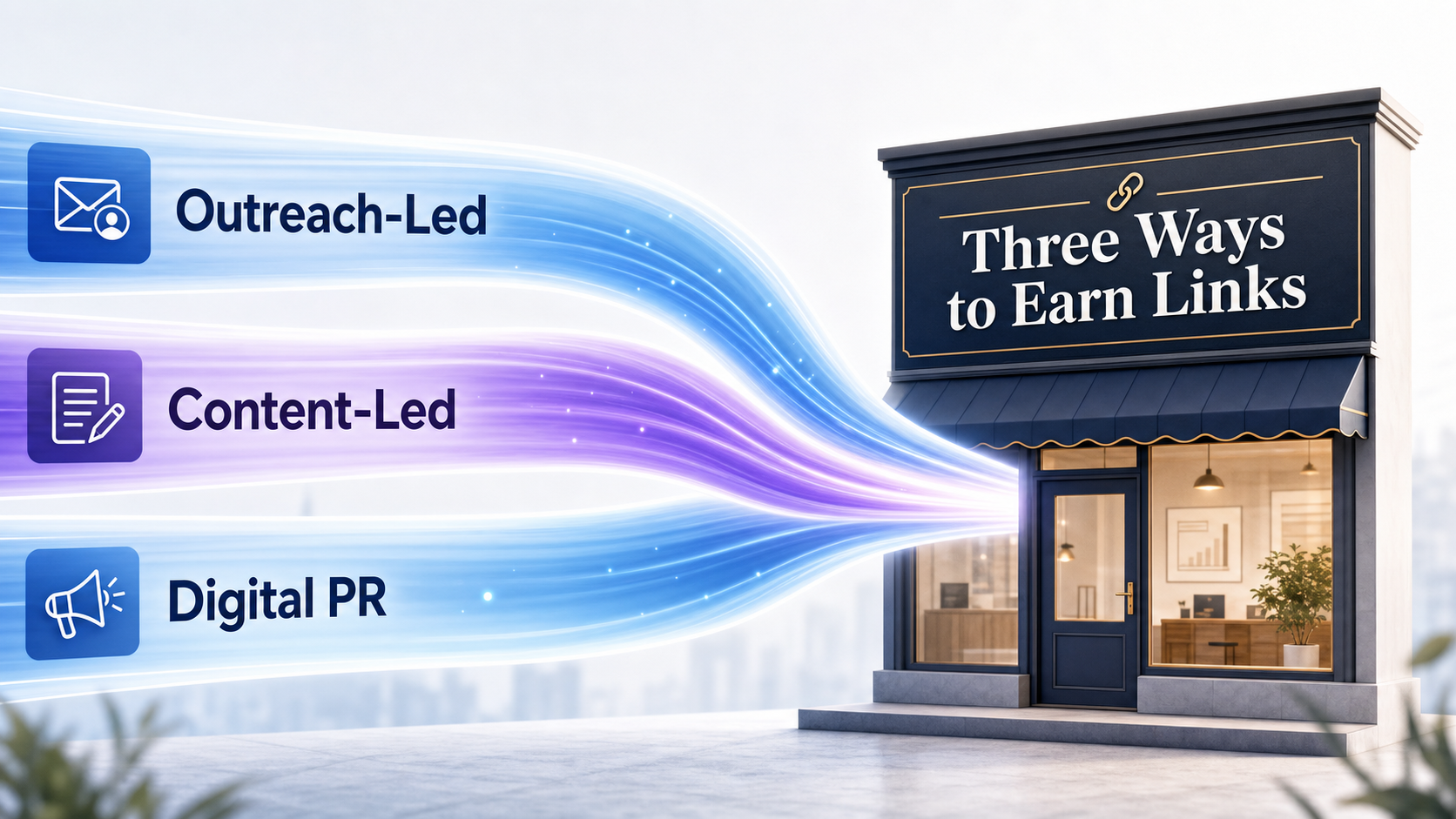
Match the agency to your acquisition need. Choose outreach-led link building when you need consistent placements on relevant sites. Choose content-led link earning when you can invest in assets that attract links over time.
Choose digital PR when you need authority and brand mentions in large publications. For a deeper look at one of these paths, see our guide to the best digital PR agencies for growth.
Before you commit, run a short checklist on every sales call. Ask for sample placements, the types of publishers they actually use, turnaround time, their link replacement policy, and reporting cadence.
If you want to compare contextual approaches first, our breakdown of contextual link building services is a useful next read. Startup teams with tighter budgets should also weigh the picks in our roundup of link building services for startups.
FAQ
How much do link building agencies charge for ecommerce?
Most ecommerce link building falls into two pricing shapes: per-link fees often tiered by domain authority, or monthly retainers that scale with placement volume. Pay-per-placement providers like Vazoola publish tier-based rates, while premium digital PR agencies start at higher monthly commitments.
Compare scope and proof rather than headline cost, because a cheaper link on an irrelevant site can hurt more than it helps.
Are link building services safe for Shopify stores?
Yes, when the agency uses white-hat, contextual placements on relevant publishers. Risk comes from volume tactics, link farms, and irrelevant directories, not from outreach itself.
Ask any agency to show sample placements and explain how it vets publishers. A clean, relevance-first profile protects your Shopify domain far better than bulk links ever will.
What kind of backlinks help ecommerce product pages?
Contextual editorial links from relevant, trusted publishers help product pages most. A link inside a buying guide or product roundup passes both authority and topical relevance to the exact page that converts. Brand mentions and category-page links support the cluster around a product, which lifts the whole catalog rather than one isolated URL.
How long does ecommerce link building take to work?
Expect early ranking movement in roughly 3 to 4 months and stronger traffic and sales impact over 6 to 12 months. Link building compounds, so the first month rarely shows the full result. Seasonal stores should start campaigns well before peak windows, because links earned in November help next year, not this Black Friday.
Should ecommerce brands use guest posts or digital PR for links?
Use both, but match them to the goal. Guest posts and outreach-led links work well for steady, repeatable authority on commercial pages.
Digital PR earns higher-authority placements and brand mentions in larger publications, which matters more for competitive categories. Smaller stores usually start with outreach, then add PR as budgets grow.
Our guide to blogger outreach services covers the outreach side in detail.
Picking the Agency That Fits Your Catalog
Budget-conscious stores should start with package-based picks like fatjoe or Vazoola and prove quality before scaling. Growth-stage brands tend to win with managed or full-funnel partners like Page One Power or KlientBoost, where strategy meets execution.
Enterprise ecommerce teams should lean on content-led and digital PR specialists like Siege Media and uSERP, where authority and brand presence carry the hardest categories.
The right choice still comes down to whether you need outreach-led placements, content-led link earning, or digital PR support. Shortlist two or three agencies that fit your store, then ask each for ecommerce-specific examples, pricing, and sample placements before you sign.
- Best for: In-house ecommerce teams and agencies that need white-label execution
- Pricing: Package-based
- Standout strength: High-volume fulfillment for buyers who already own the strategy