
Brand reputation monitoring is the always-on process of tracking how people talk about your brand across every channel that shapes perception. It is the listening layer that catches mentions, sentiment shifts, and emerging themes before they turn into a problem you read about in a quarterly report.
Monitoring covers social platforms, review sites, news, blogs, forums, branded search results, and AI-generated answers, and it stops short of response. That distinction matters. Monitoring observes and alerts. Reputation management acts on what monitoring surfaces. If you blur the two, you build a slow program that only wakes up after the damage is already visible everywhere.
What Brand Reputation Monitoring Is
Brand reputation monitoring is the practice of detecting mentions, sentiment, themes, and changes in perception across the channels where opinions about your brand form. It runs continuously, so a spike in negative reviews or a heated forum thread reaches you while it is still small.
The cleanest way to understand it is to separate it from reputation management. Monitoring is the sensing system. Management is everything you do once a signal lands.
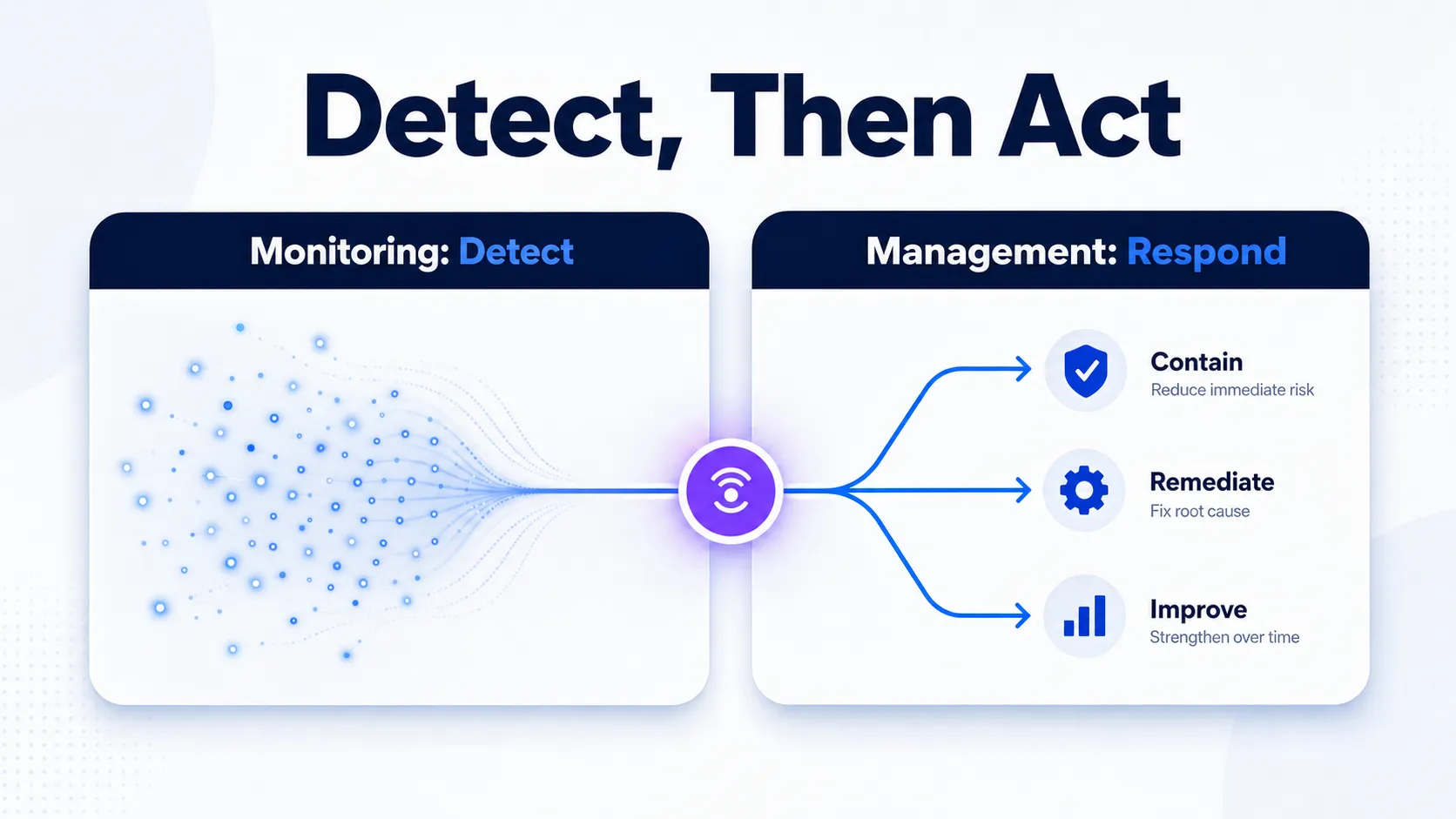
What Monitoring Actually Tracks
Monitoring tracks a set of named inputs, not a vague sense of mood. You feed the system your brand names, product names, executive names, campaign titles, common abbreviations, predictable misspellings, and competitor names. Each of those becomes something the system watches for across channels.
The scope is wide on purpose. It spans social conversations, ratings and written reviews, news and earned media, community threads, branded search results, and the answers AI engines return when someone asks about your category. A brand can look healthy on its own website and still be losing the conversation on Reddit or in a Perplexity answer. If your brand reputation analysis only pulls from review sites, it misses most of where perception now forms.
The Distinction Most Teams Get Wrong
The most common failure is treating monitoring as a response function. A team sets up alerts, then only checks them when someone complains loudly enough to escalate. That turns an early-detection system into a late-warning system.
Picture a negative thread building on a niche forum while a small cluster of one-star reviews appears on a marketplace the same week. Nobody has emailed your support inbox. Both are monitoring signals, and both deserve attention before they converge. Monitoring exists to catch exactly that pattern, quietly, before anyone inside the company would have noticed on their own.
Why Brand Reputation Monitoring Matters
Brand reputation monitoring matters because perception drives revenue, retention, and risk, not just press coverage. When people trust what they read about you, they convert more readily, accept higher prices, and stay longer. When trust erodes, the same mechanics run in reverse, and you often find out late.
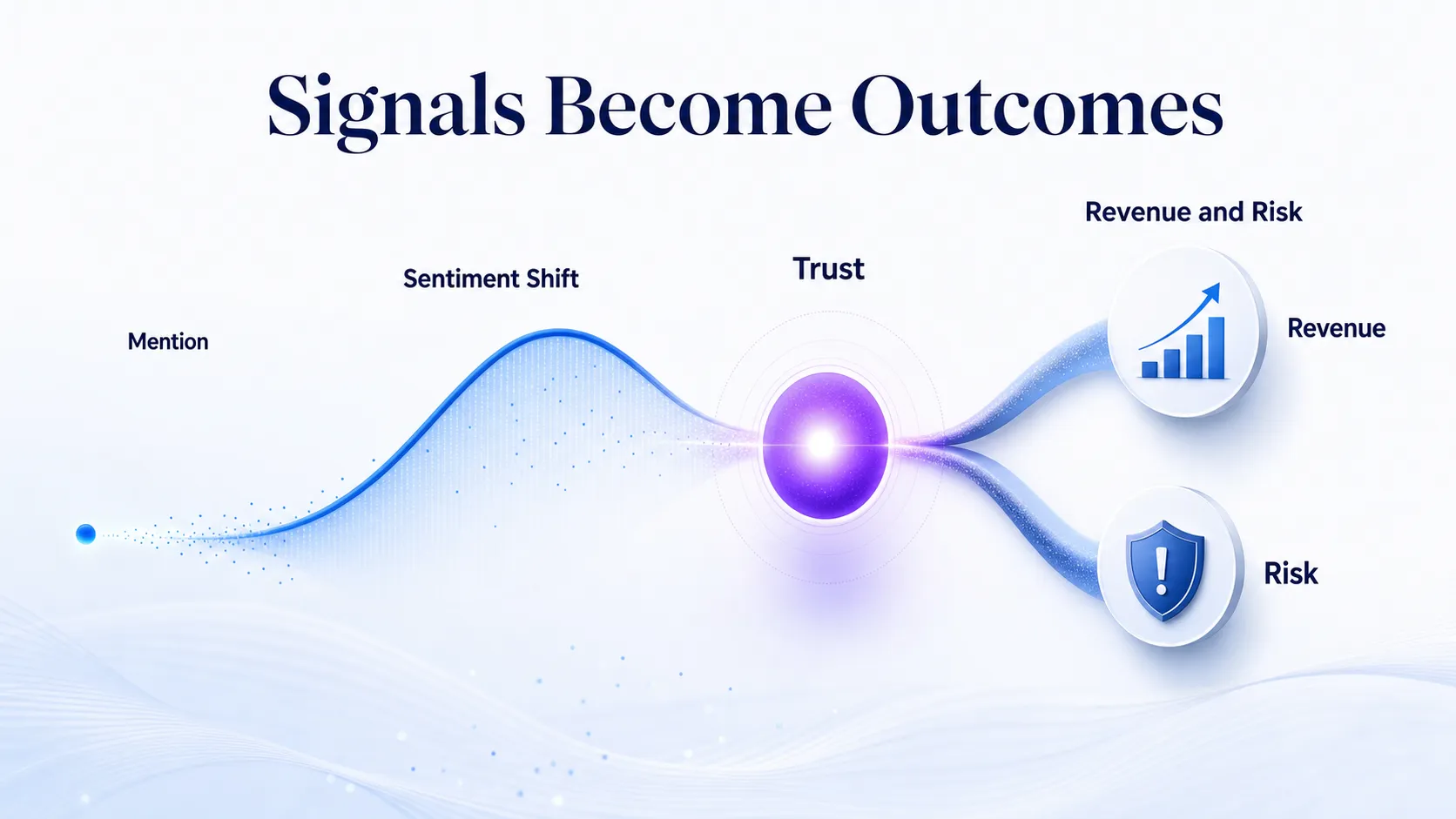
The business case rests on a few concrete outcomes:
- Trust shapes conversion, pricing power, and purchase confidence at the point of decision.
- Recurring complaints surface service and product gaps you can fix before they cost you customers.
- Small signals usually appear before a major reputational event, which makes prevention possible.
- What people praise or criticize about rivals reveals positioning openings for you.
- Reputation data gives leadership a view of risk by product, location, market, or audience segment.
There is an operating pattern worth internalizing here. Perception shifts almost always show up in support tickets, social chatter, or review volume before they show up in a quarterly number. Monitoring is how you read that lead time instead of waiting for the lag. Pairing it with online brand reputation management closes the loop from detection to action.
How Brand Reputation Monitoring Works
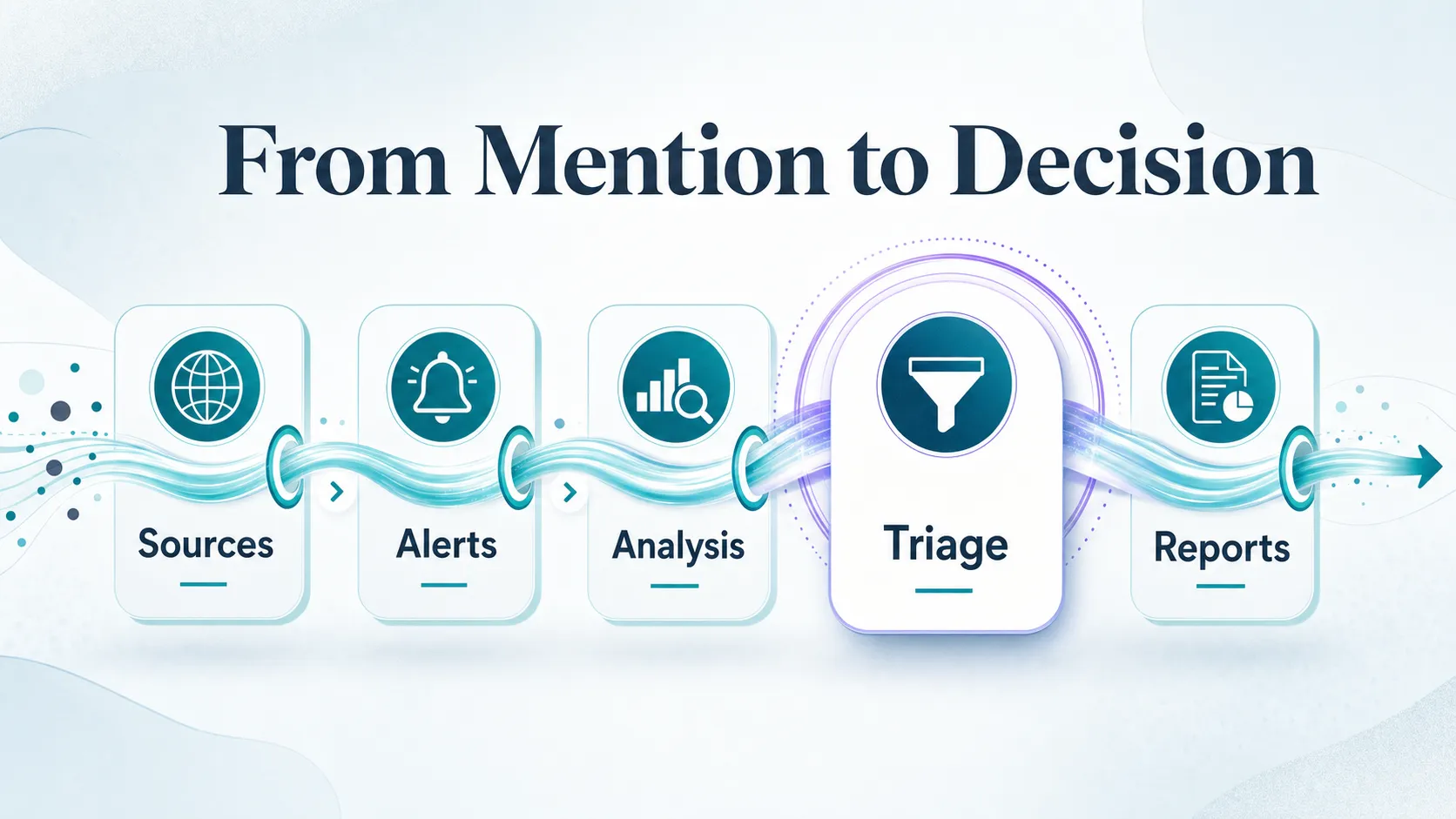
Brand reputation monitoring works as a repeatable workflow that moves from source selection through alerting, analysis, triage, and reporting. The raw collection of mentions is the easy part. The value sits in what happens after a mention is captured.
Step 1: Select Your Sources
Start by deciding which channels, publications, and communities are worth watching. A B2B software brand cares about industry press, LinkedIn, review platforms like G2, and a handful of subreddits. A consumer brand weights marketplaces, social, and local listings more heavily. Watching everything equally wastes attention, so the source list reflects where your audience actually forms opinions.
Step 2: Set Keywords and Entities
Configure the terms the system tracks. This goes well beyond your exact brand name. Include product names, executive names, campaign titles, acronyms, predictable misspellings, and competitor references. A misspelling you skip is a mention you never see, and angry customers rarely spell carefully.
Step 3: Tune the Alerting Logic
Decide what triggers a real-time alert and what gets batched into a daily digest. A sudden spike in negative sentiment, a mention from a high-authority publication, or a complaint about a specific product warrants an immediate ping. Routine positive chatter belongs in a summary. Good thresholds cut noise so the alerts that fire actually mean something.
Step 4: Analyze Sentiment and Topics
Categorize each mention by sentiment, urgency, and theme. Sentiment scoring tells you whether a mention reads positive, negative, or neutral. Topic clustering groups mentions so you can see that twelve scattered complaints are really one shipping problem. This is where raw volume turns into something you can act on.
Step 5: Triage and Route
Assign ownership. A product complaint goes to product, a press inquiry goes to PR, a billing issue goes to support, and a brewing crisis goes to leadership. Clear routing prevents two things: nobody responding because everybody assumed someone else would, and three people responding to the same mention with conflicting answers.
Step 6: Report and Track Trends
Close the loop with reporting that shows trend direction, share of voice, response times, location-level issues, and recurring themes. A single mention is an anecdote. A trend line is intelligence. The reporting layer is what turns monitoring from a fire alarm into a planning tool, and it feeds naturally into a structured media monitoring report.
The programs that earn their keep are built around routing and decision-making, not raw mention collection. A dashboard full of mentions nobody acts on is a vanity exercise.
Key Components of an Effective Monitoring Setup
An effective monitoring setup needs broad channel coverage, precise entity tracking, smart alerting, sentiment and topic analysis, clear routing, and reporting. Miss one and you get blind spots that show up at the worst possible moment.
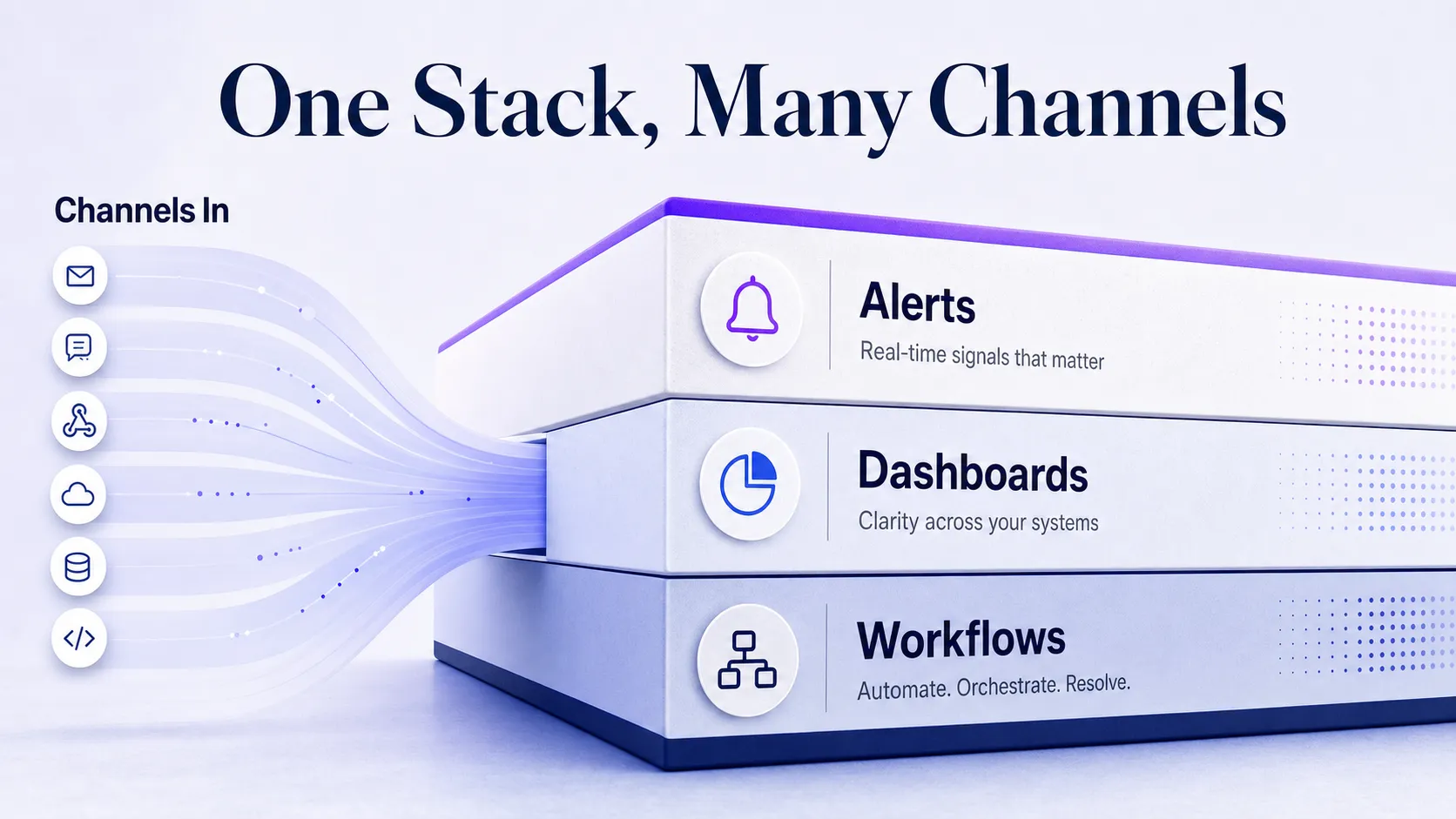
The table below breaks down each component and what it contributes.
| Component | What it covers | Why it matters |
|---|---|---|
| Monitored channels | Social, review sites, news, blogs, forums, communities, search results, AI answers | Perception forms in many places; coverage gaps become blind spots |
| Entity coverage | Brand names, products, executives, campaigns, acronyms, misspellings | An untracked term is a mention you never capture |
| Real-time alerts | Spikes, negative sentiment, high-authority sources, geography or product-specific issues | Speed of detection decides how small a problem stays |
| Sentiment and topic analysis | Clustering by theme, filtering spam and duplicates | Turns volume into patterns you can act on |
| Routing and escalation | Assigning alerts to PR, CX, support, product, or leadership | Prevents missed signals and duplicate responses |
| Dashboards and reporting | Trends, issue frequency, response performance, location differences | Converts daily noise into strategic decisions |
The Tool Stack Reality
Most teams need more than one tool category. A social listening platform handles fast conversation, a review management tool handles ratings, a media monitoring tool watches earned coverage, and a separate layer tracks branded search and AI answers. Some platforms bundle several of these, but the breadth of any single product varies, so map your coverage gaps before you buy. The buyer pattern worth remembering: coverage and signal quality matter more than any all-in-one promise. If you are weighing options, a structured comparison of brand monitoring tools is a better starting point than a feature checklist.
Types of Brand Reputation Monitoring
Brand reputation monitoring breaks into distinct types, each capturing a different kind of risk and signal. Knowing which type covers what helps you spot the gaps in your current setup.
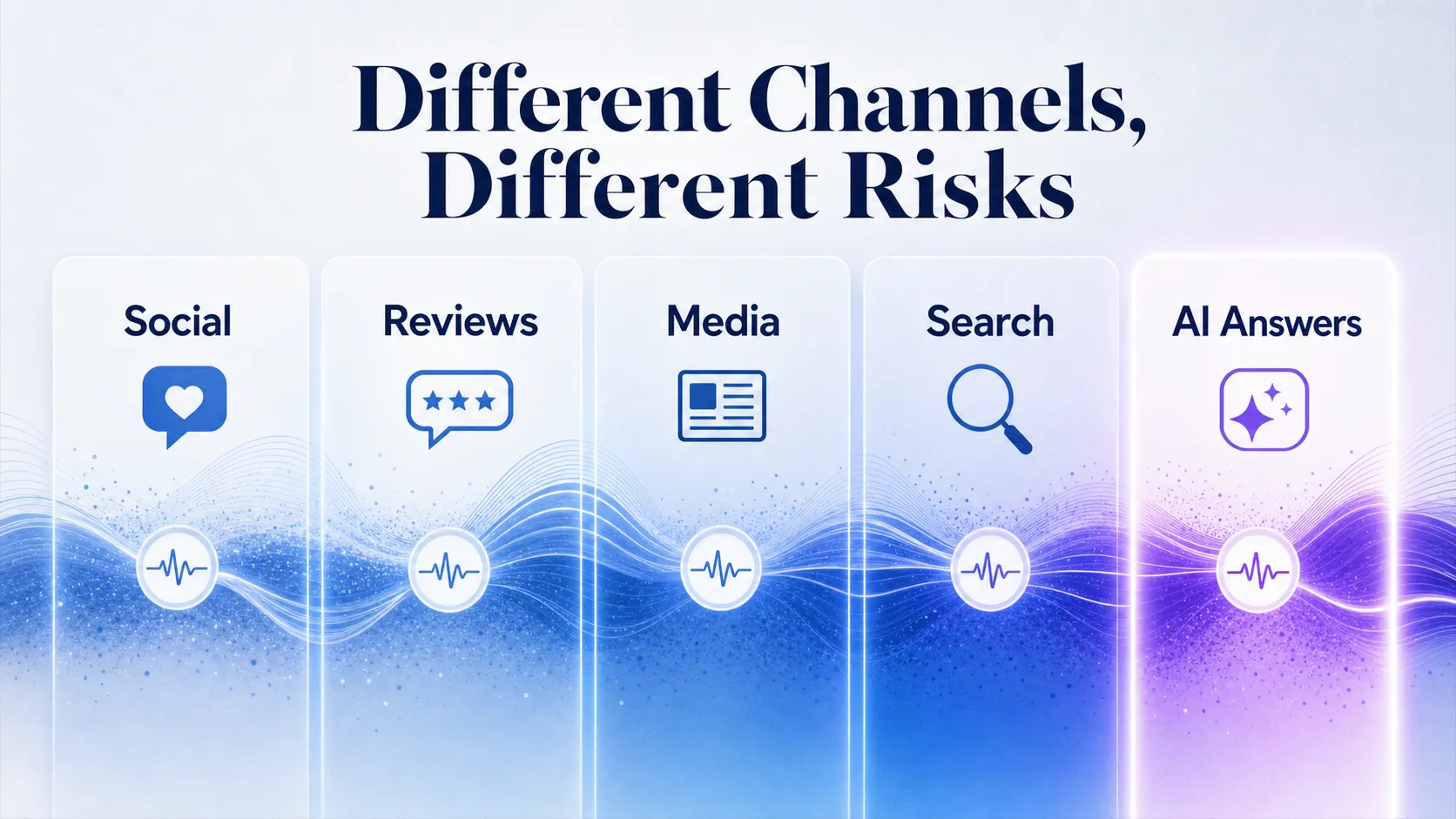
| Type | What it captures | When it matters most |
|---|---|---|
| Social listening | Fast-moving conversations, complaints, praise, emerging sentiment | When reputation risk often starts in social threads, not formal reviews |
| Review monitoring | Ratings and written feedback on review sites and marketplaces | When buyers are already deciding and reading reviews |
| Media monitoring | News, blogs, podcasts, earned media coverage | When a narrative shift or press cycle is forming |
| Search monitoring | Branded search results and SERP changes | When you need to know what people see the moment they look you up |
| AI answer monitoring | Brand presence, citations, and mentions inside AI-generated results | When AI summaries shape perception before a click ever happens |
The right mix depends on your risk profile, audience behavior, and industry. A regulated fintech weights media and search monitoring heavily. A direct-to-consumer brand leans on social and reviews. The point that catches teams off guard: each channel surfaces a different kind of risk, and a brand can look healthy in one while quietly deteriorating in another. Brand monitoring on social media is necessary, but it is one band of a wider spectrum, and AI answer monitoring is the band most programs have not built yet.
Common Mistakes and Misconceptions
Most monitoring programs underperform for predictable reasons. Here are the mistakes that recur, each with the fix that turns it around.
Mistake 1: Watching Only Review Sites
Reviews are visible and easy to track, so many teams stop there. The fix is to extend coverage to social, forums, news, and AI answers, because reputation crises rarely start on a star-rating page. They start in a conversation.
Mistake 2: Chasing Vanity Metrics
Raw mention volume feels like progress and tells you almost nothing. The fix is to track risk, sentiment, source quality, and trend direction instead. Ten mentions from a high-authority outlet outweigh a thousand low-quality ones.
Mistake 3: Ignoring Indirect and Unlinked Mentions
A mention that does not tag your handle or link your site still shapes perception. The fix is to track brand and product names as standalone entities, not just linked references, so indirect chatter still reaches you.
Mistake 4: Setting Alerts Too Broadly or Too Narrowly
Alerts that fire on everything become noise people ignore. Alerts that are too tight hide meaningful spikes. The fix is to tune thresholds against authority, sentiment, and volume, then revisit them as patterns change.
Mistake 5: Treating Setup as One and Done
Monitoring is not a configuration you finish. New products launch, executives change, and competitors rename themselves. The fix is scheduled tuning, keyword updates, and clear governance so the system stays accurate.
Mistake 6: Confusing Monitoring with Crisis Response
Crisis response is one downstream use of monitoring, not its definition. The fix is to treat monitoring as continuous early detection, with crisis response as just one of several actions it can trigger.
The costliest failures share a shape: a low-volume, indirect signal goes unseen until the issue is visible everywhere and far harder to contain. Build for the quiet signals, not just the loud ones.
See where AI answers put your brand
Twenty minutes with a senior strategist: where the major engines point buyers in your category, who gets named instead of you, and a straight read on what a programme would change.
Book a strategy callWhat Mature Monitoring Looks Like
Brand reputation monitoring is continuous, multi-channel listening with alerting and reporting built in, not a quarterly search or an occasional review check. A mature setup carries broad source coverage, precise keyword and entity tracking, real-time alerts, sentiment and topic analysis, clear routing, and reporting that tracks trends over time.
The honest standard is simple. If it does not cover channels, routing, and reporting, it is not mature monitoring, it is a search habit. Brands that get this right read perception shifts early and make better decisions across PR, CX, product, and leadership. Brands that skip it find out from a customer, a journalist, or an AI answer, usually too late to shape the story.
What 2026 Data Shows About Reputation Monitoring Impact
The business case for brand reputation monitoring is no longer theoretical. Recent research puts specific numbers on what is at stake:
- Each positive brand association increases average customer spending by approximately 18%; each negative association reduces it by around 12% (2026 Trigify B2B research).
- Over 90% of consumers say a brand’s online reputation directly influences their purchasing decisions.
- Reputation damage now spreads 17 times faster through AI-amplified networks than through traditional social media. Traditional crisis response operates on a 48-hour window; AI-driven threats require action within 3 hours to contain.
- Brand reputation now directly determines whether AI systems like ChatGPT, Perplexity, Google AI Overviews, and Gemini recommend or ignore your brand when users ask about your category — adding a new surface that most monitoring programs do not cover.
Monitoring AI Search: The 2026 Blind Spot Most Programs Miss
A category of tools specifically built to audit AI-generated answers appeared in 2025 and accelerated through 2026. Unlike traditional brand monitoring, these platforms query AI engines directly to track how ChatGPT, Perplexity, Google AI Overviews, and Gemini describe your brand, your competitors, and your category.
The reason AI monitoring matters for reputation specifically: AI engines synthesize brand perception from training data and live retrieval — not from what you control on your own site. If a negative narrative dominated your category 12 months ago, an AI system may still surface it as the current story today, even if actual sentiment has shifted. Most traditional monitoring tools will never surface this discrepancy.
Adding AI search monitoring to your program typically means: querying target platforms with your brand name plus category-level queries on a weekly cadence, recording the verbatim response, and tracking whether framing, sentiment, and citation behavior change over time. Enterprise monitoring stacks are beginning to automate this; smaller teams run it with structured manual query templates.
If you want AI citations — not just brand protection — the monitoring signal also feeds the response strategy. Brands that consistently appear with accurate, positive signals across traditional channels and AI answers are the ones AI engines preferentially cite when they compose recommendations.
Frequently Asked Questions
What is brand reputation monitoring?
Brand reputation monitoring is the ongoing practice of tracking how people talk about your brand across social platforms, review sites, news, forums, search results, and AI-generated answers. It detects mentions, sentiment, and emerging themes so you can spot perception shifts early, before they grow into a problem that reaches your customers or your leadership team.
How do you monitor brand reputation across multiple channels?
You monitor across channels by selecting the sources that matter, configuring keywords and entities, and routing alerts through one workflow. Start with your brand names, products, executives, and competitor terms, then layer in social listening, review tracking, media monitoring, search monitoring, and AI answer monitoring. The work is less about collecting every mention and more about routing the important ones to the right owner fast.
What are good tools for brand reputation monitoring?
Good tools combine broad channel coverage, real-time alerts, sentiment analysis, and reporting in a way that fits where your audience talks. Most teams use more than one category: a social listening platform, a review management tool, a media monitoring layer, and something that tracks branded search and AI answers. Coverage and signal quality matter more than the number of features any single platform advertises.
What is the difference between brand reputation monitoring and brand reputation management?
Monitoring is detection and management is action. Monitoring observes mentions, scores sentiment, and alerts you when something changes. Management is what you do next: responding to customers, correcting misinformation, fixing the underlying issue, and improving over time. Monitoring tells you what is happening; management decides what to do about it.
Does brand reputation monitoring include AI search results?
Yes, and in 2026 it is one of the most important channels to cover. AI engines like ChatGPT and Perplexity generate answers that mention, cite, or omit your brand, and those answers shape buyer perception before anyone clicks a link. A monitoring program that stops at social and reviews misses where a growing share of first impressions now form.
The brands that handle reputation well are not the ones that respond fastest in a crisis. They are the ones who saw the signal a week earlier, while it was still a faint mention on a forum no one was watching. Explore BrandMentions to monitor mentions across social, news, reviews, forums, and AI answers in one place, and see where your brand stands before the next story sets without you.