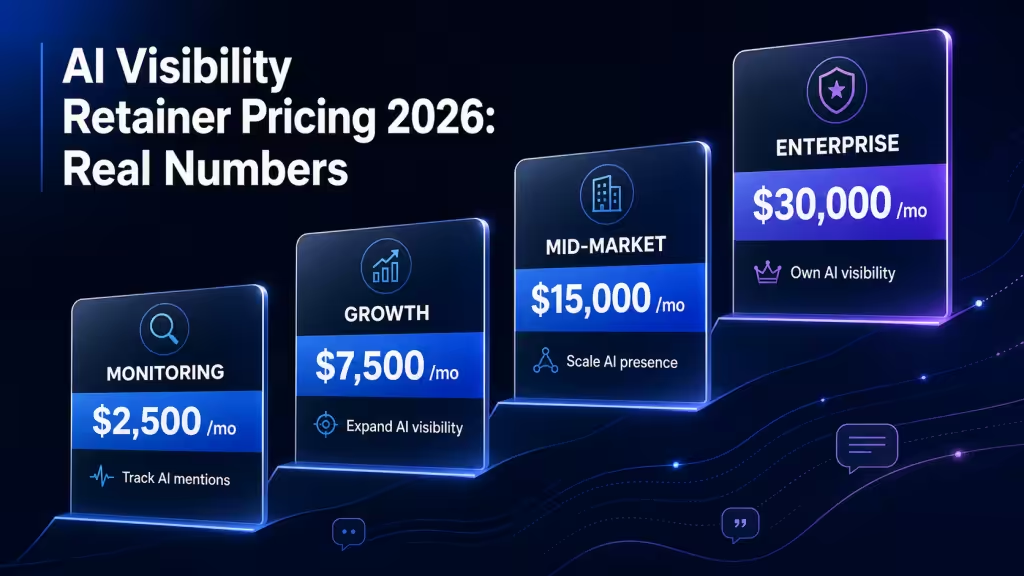

AI visibility retainer pricing in 2026 sits between $2,000 and $25,000 per month, with most mid-market brands paying $5,000 to $12,000 for ongoing work that combines prompt tracking, citation building, and entity reinforcement. The wide gap reflects scope, not market confusion. A $3,000 retainer rarely buys the same work as a $9,000 one, and a $20,000 enterprise contract covers things most growth-stage brands do not need. This guide breaks down what sits inside each band, where the pricing logic comes from, and how to read a proposal before you sign it.
The Short Version
- Audits run $1,500 to $7,500 as a one-time engagement.
- Mid-market retainers cluster at $5,000 to $12,000 per month.
- Enterprise contracts start near $20,000 and scale with brand surface area.
- Pricing under $2,500 usually buys monitoring, not optimization.
- Results stabilize between months four and nine, not in 30 days.
What an AI Visibility Retainer Actually Buys in 2026
A real retainer in 2026 funds five categories of work, not a dashboard subscription. Strip any of these out and the price stops matching the deliverable.
- Prompt tracking across ChatGPT, Perplexity, Gemini, and Claude
- Citation baseline and gap analysis against named competitors
- Entity and schema work on owned properties
- Third-party citation building on Reddit, LinkedIn, YouTube, and tier-one publications
- Content updates tied to the prompts that drive pipeline
If a proposal lists “AI visibility monitoring” as the primary line item, you are buying software with a service wrapper. That is fine at $1,500 a month. It is not fine at $7,000. We see the gap most often in proposals from traditional SEO agencies that added a GEO line in late 2025 without rebuilding the delivery model. The clue is always the citation work. Real retainers name the publications and communities they will target. Repackaged ones describe “authority signals” in the abstract.
The Four Pricing Bands and What Sits Inside Each
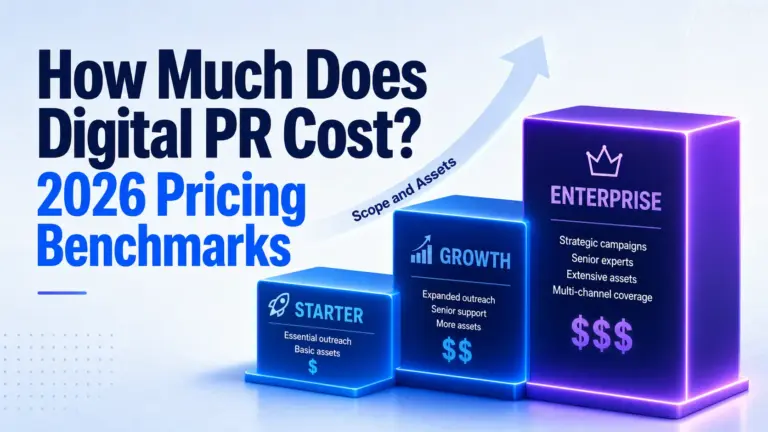
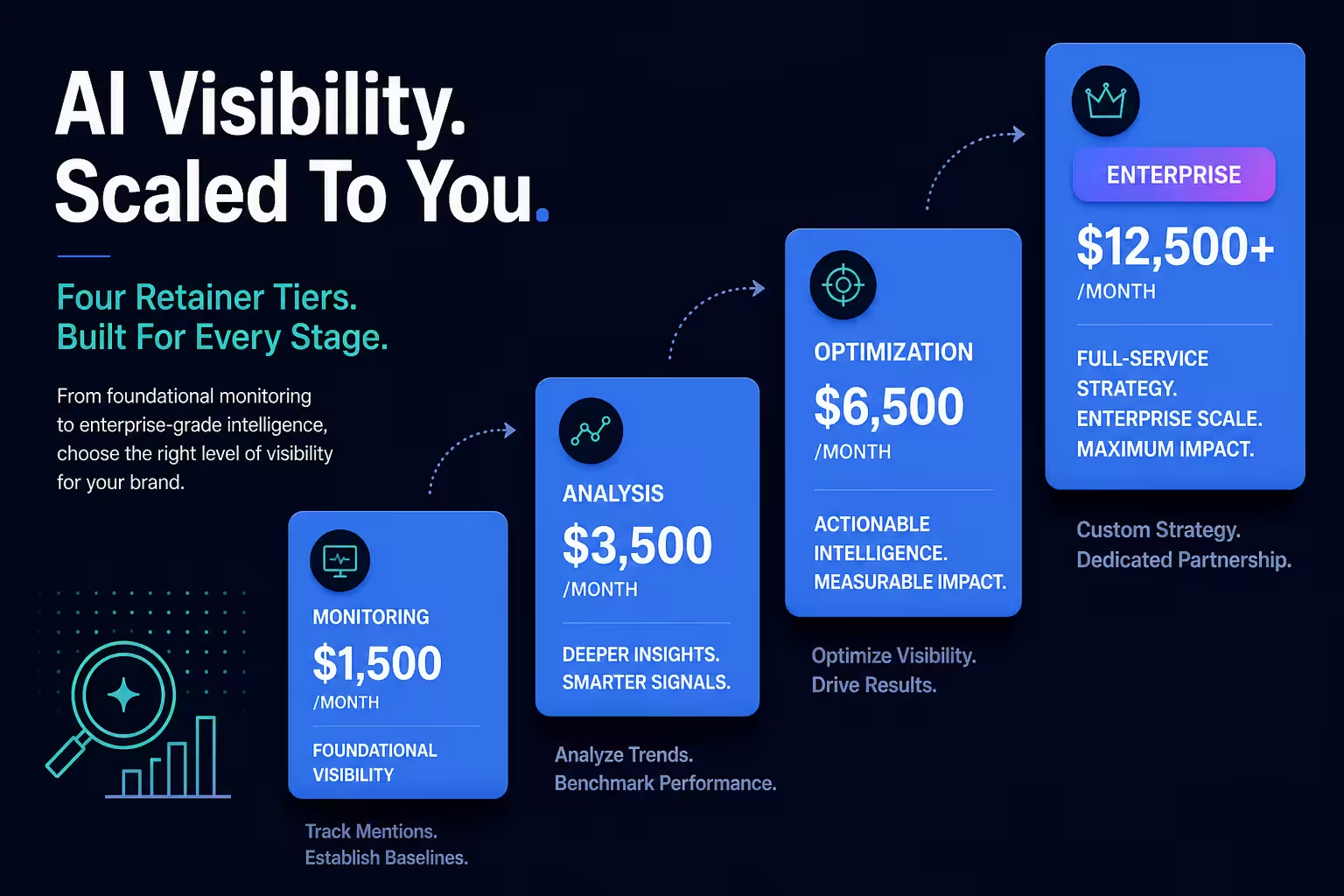
Pricing splits cleanly into four bands once you read enough proposals. The labels vary. The scope behind them does not.
| Pricing band | Monthly cost | What’s included | Best fit |
|---|---|---|---|
| Monitoring | $1,500–$2,500 | Prompt tracking, monthly report, light strategist check-in; no citation building or content production | Brands with an existing SEO team that just need visibility data to act on |
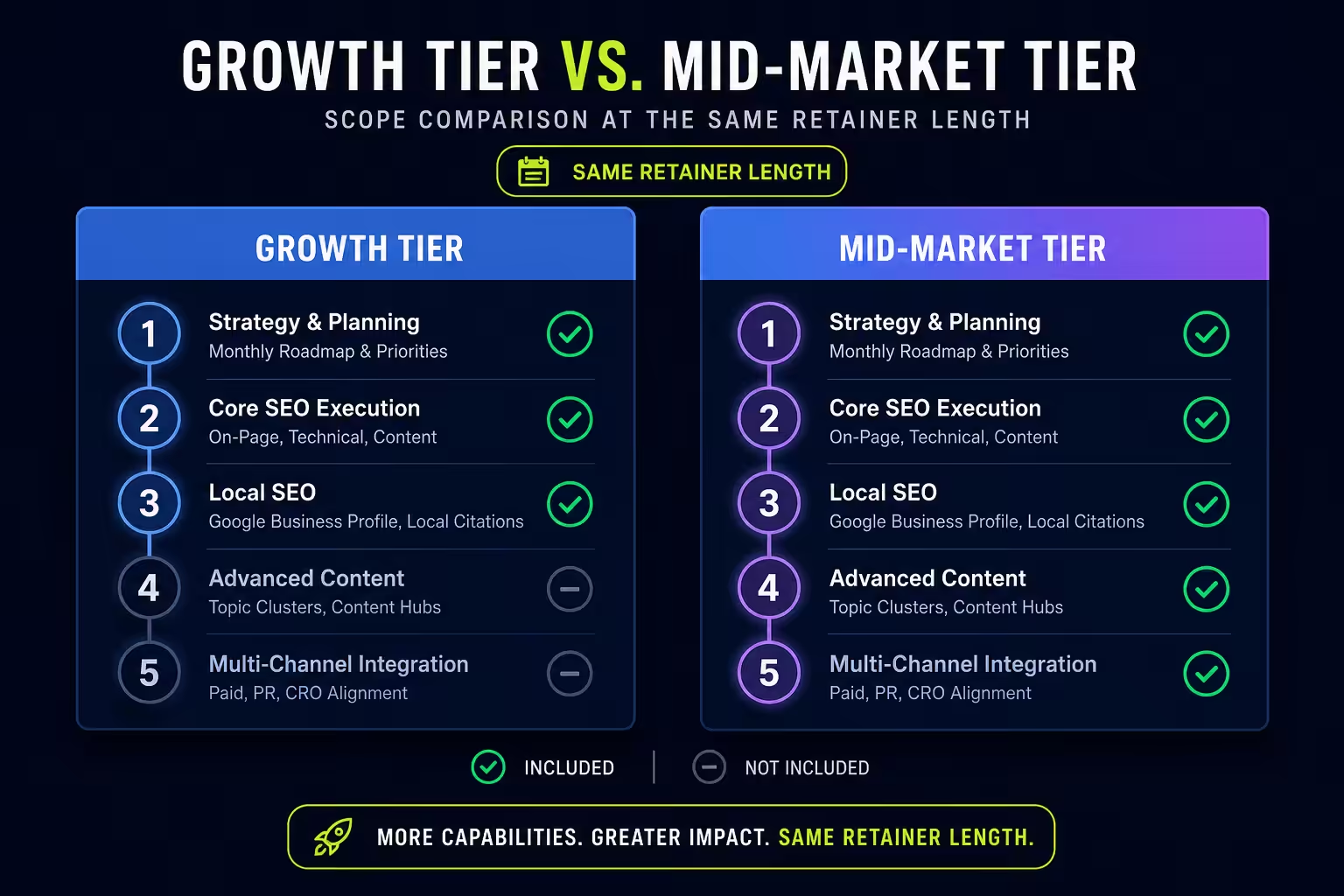
| Growth | $3,000–$5,000 | Adds limited citation work (roughly two to four community placements per month) plus light schema or entity cleanup and content updates | Growth-stage brands starting active citation building |
| Mid-market | $5,000–$12,000 | Full scope: prompt tracking, citation baseline and gap analysis, entity and schema work, third-party citation building, and content updates tied to pipeline prompts | Most mid-market brands wanting ongoing optimization, not just monitoring |
| Enterprise | $20,000+ | Scales with brand surface area; covers work most growth-stage brands do not need | Large brands with broad surface area across many prompts and competitors |
Monitoring Tier: $1,500 to $2,500 per Month
This band buys prompt tracking, a monthly report, and a light strategist check-in. No citation building. No content production. A reasonable starting point if you already have an SEO team and want visibility data they can act on. A bad fit if you expect citation growth from the retainer itself.
Growth Tier: $3,000 to $5,000 per Month
The growth band adds limited citation work, usually two to four community placements per month and light schema or entity cleanup. Content updates show up here, but the volume is small. This tier works for seed and Series A brands that need motion without enterprise overhead. Our guide on AI visibility for seed and Series A startups covers the scope tradeoffs at this stage.
Mid-Market Tier: $5,000 to $12,000 per Month
This is where most B2B SaaS brands land. The scope includes full prompt tracking, eight to fifteen citation placements per month across communities and publications, ongoing schema and entity work, content refreshes tied to priority prompts, and a senior strategist on the account. The price gap inside this band almost always reflects strategist seniority and publication tier access, not deliverable count.
Enterprise Tier: $15,000 to $25,000+ per Month
Enterprise contracts cover multi-brand portfolios, regulated industries, or programs that need legal and compliance review on every external placement. The scope expands to include analyst relations work, executive thought leadership pipelines, and dedicated reporting infrastructure. Most growth-stage brands do not need this. Fortune 1000 brands often do.
Why the Same Scope Costs Different Numbers
Two agencies can quote the same deliverable list and arrive at prices that differ by 40%. The difference comes from four inputs.
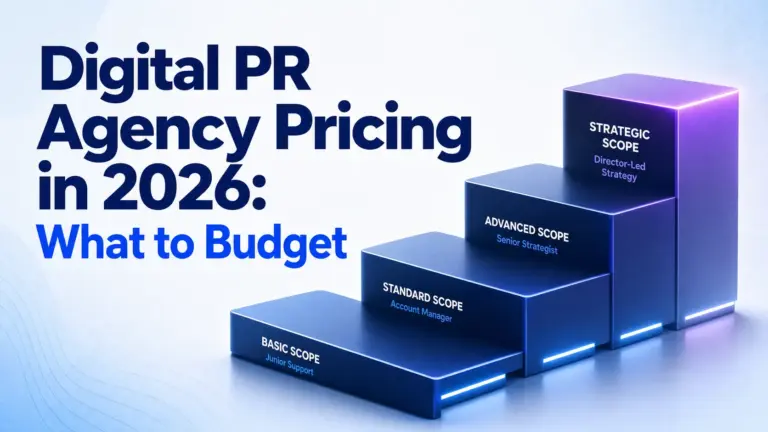
Strategist seniority sits at the top. A retainer led by someone with five years of AI visibility work runs higher than one led by a junior who inherited the account. Ask who runs your weekly. If the answer is vague, the seniority is junior.
Publication access is the second input. Agencies with editorial relationships at tier-one outlets price higher because those placements take real relationship capital to land. Our breakdown of the how we rank publications explains why a single tier-one mention often outweighs ten community placements.
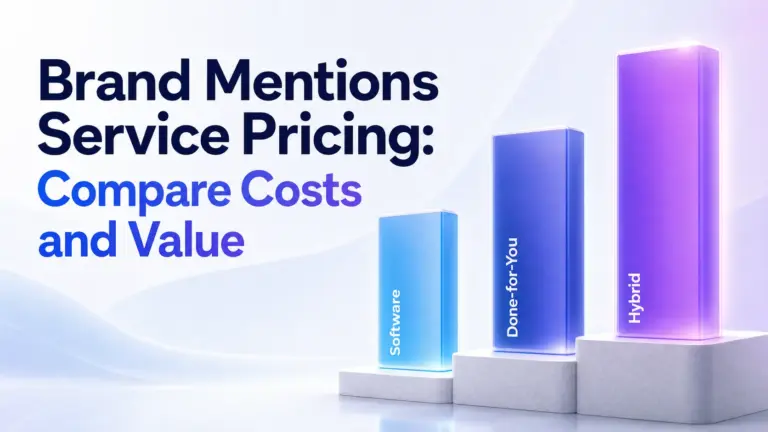
Tool stack cost is the third. Most agencies pass through $400 to $1,200 per month in monitoring tools per client. Some bundle it. Some bill it separately. Read the contract.
Industry premium is the fourth. Fintech, healthtech, and legal carry a 20% to 35% premium because the content review cycle is longer and the citation surface is smaller. The AEO consultant guide for fintech compliance covers why regulated industries cost more to serve.
Where Buyers Routinely Overpay
Three patterns show up across proposals we review for clients evaluating other agencies.
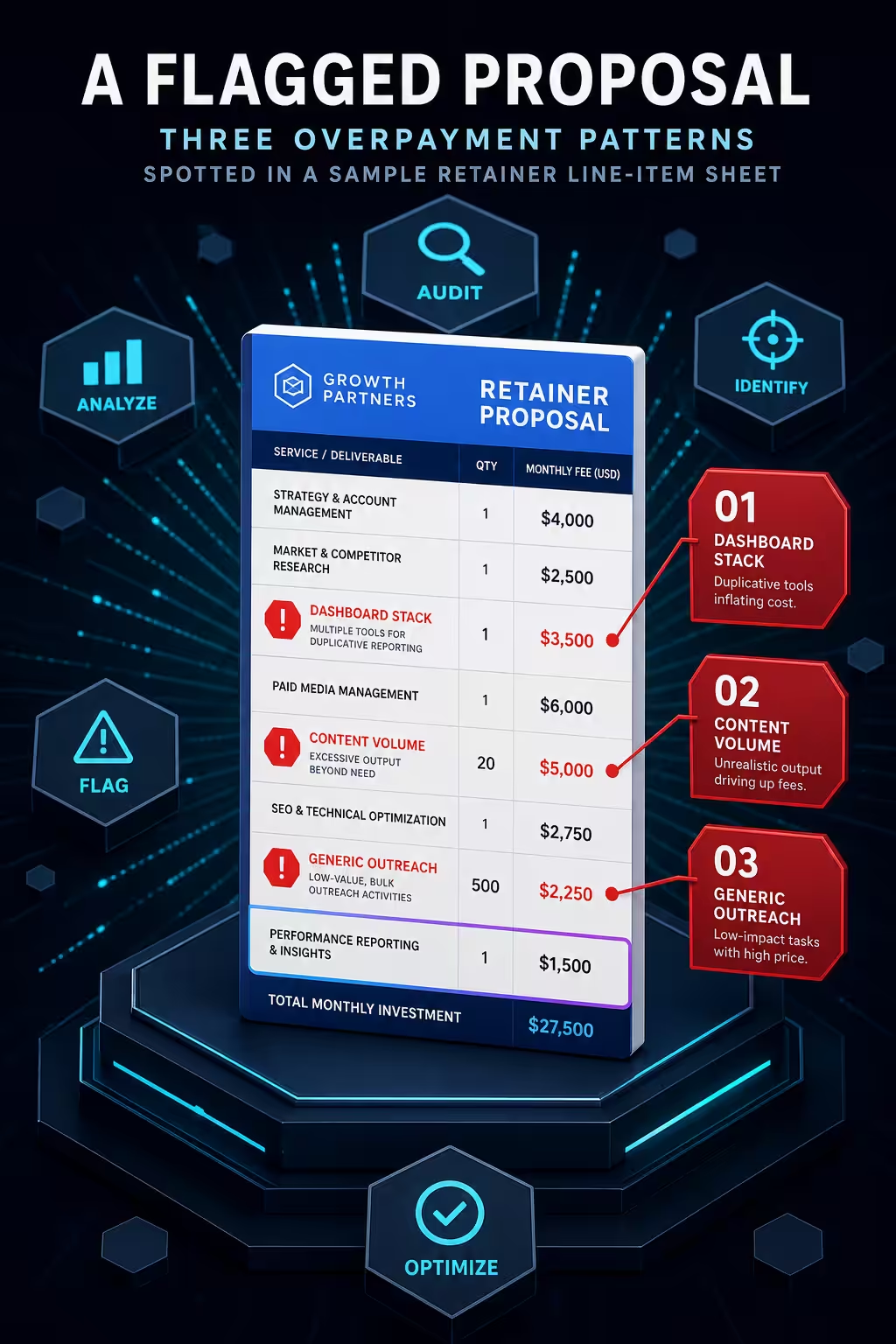
Dashboard inflation is the first. A proposal lists six monitoring platforms and prices the retainer accordingly. The reality is that most platforms pull from the same handful of model APIs. Coverage of four engines is the practical ceiling. Anything beyond that is sales theater.
Content volume padding is the second. A $9,000 retainer that promises twelve blog posts a month is almost always producing thin content. AI visibility moves on citation depth and entity reinforcement, not blog volume. If the scope reads like a content marketing contract with AI labels added, the pricing is wrong for the outcome.
Generic outreach is the third. Some retainers include “PR distribution” or “brand mention outreach” as a high-priced line. Press release blasts to syndication networks rarely produce citations the models trust. Our press release strategy for AI citations walks through what actually earns model attention.
What a Real Mid-Market Retainer Looks Like Line by Line
Here is the scope behind an $8,000 mid-market retainer that produces results. Use it as a benchmark when you compare proposals.
- Prompt tracking across four engines, refreshed weekly, with 80 to 120 monitored prompts
- Monthly citation gap analysis against three named competitors
- Ten to fifteen external citation placements per month across Reddit, LinkedIn, niche publications, and one tier-one outlet quarterly
- Schema and entity work on 8 to 12 priority pages per quarter
- Content refreshes on four to six existing pages per month
- Senior strategist runs the weekly, with junior support on execution
- Monthly report tied to pipeline-relevant prompts, not vanity metrics
If a proposal at this price is missing more than two of these lines, the scope is light. If a proposal at $5,500 includes all of them, ask how. Usually the answer involves junior staffing or a tool stack the agency does not actually pay for.
How Long Before the Retainer Pays Back
Payback windows are tighter than they were in classic SEO, but slower than paid media. Most accounts we run show measurable citation lift between months three and four, with pipeline attribution stabilizing between months six and nine. The first 60 days are entity cleanup, prompt baselining, and the first wave of placements. The second 60 days produce the citation growth that actually shows up in AI responses. Brands that pull the plug at month three almost always do so before the work compounds.
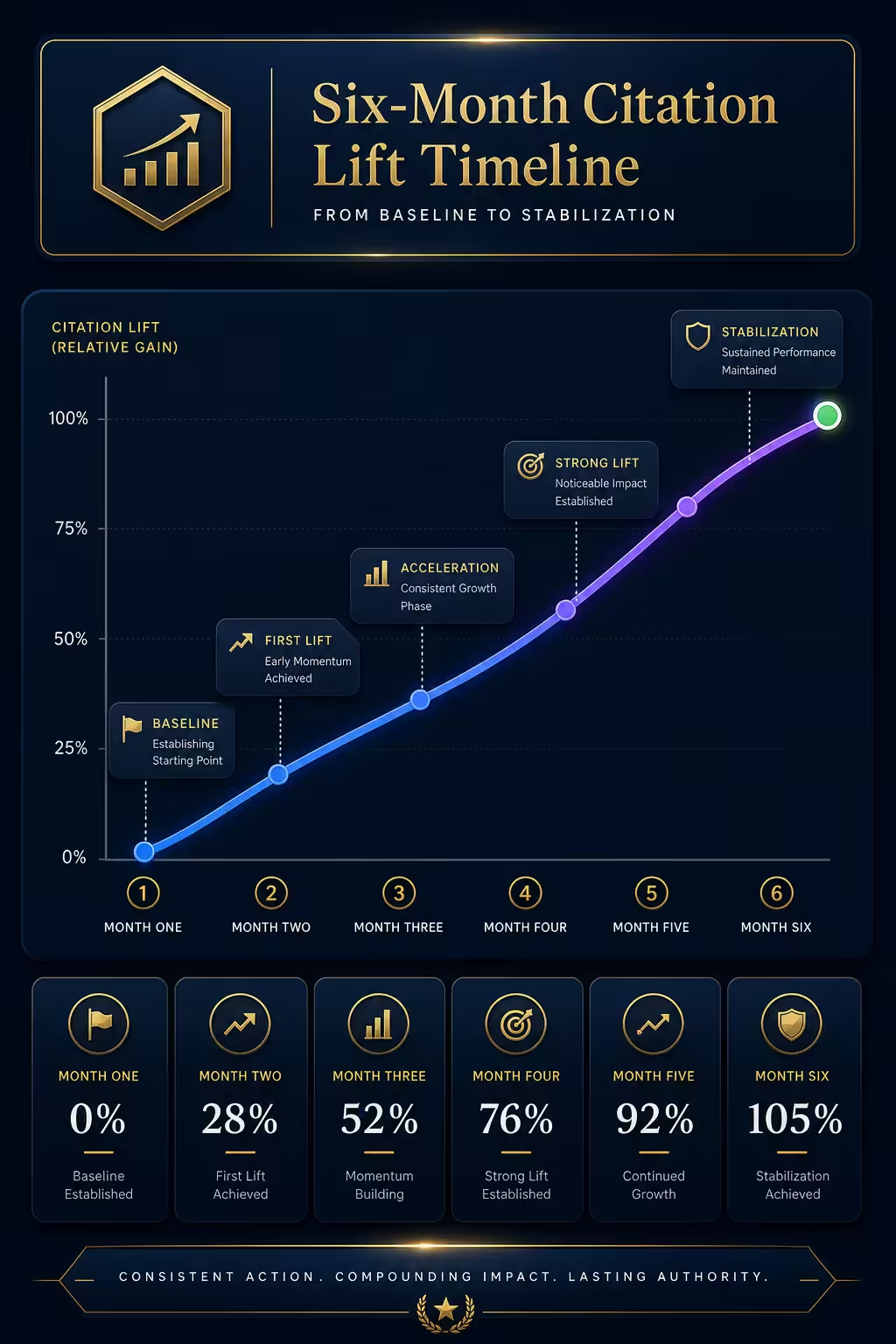
A reasonable internal benchmark: expect a 30% to 60% lift in branded citation frequency across major models by month four if the retainer is sized correctly. If a vendor promises faster, ask which prompts they will move and how they will prove it. Our AI visibility diagnostic framework covers the baseline measurements that make this question answerable.
Retainer vs. Project vs. Pay-Per-Placement
Three pricing models compete for the same budget. Each has a real use case.
Retainers fit brands that need ongoing prompt movement and citation maintenance. The model rewards compounding work and consistent strategist attention. It is the dominant model for mid-market and enterprise programs.
Project pricing fits brands that need a defined output, like a 90-day citation sprint or a one-time entity overhaul. Projects run $8,000 to $40,000 depending on scope. They are not a substitute for ongoing work, but they are a useful pilot before a full retainer.
Pay-per-placement fits brands with strong existing content that just need external citations landed. Pricing runs $800 to $4,000 per placement depending on publication tier. The model only works if the agency has real editorial relationships. Without them, it collapses into pitching.
Red Flags in Retainer Proposals
A few patterns reliably predict a bad fit before the contract is signed.
- Guaranteed rankings or guaranteed citations in named models
- Scope written entirely around dashboard counts and platform coverage
- No named publications or communities in the citation plan
- 12-month minimum with no break clause at month three
- Reporting that measures activity, not citation or pipeline movement
- Senior strategist time under four hours per month at any tier above $5,000
The break clause matters most. A retainer that compounds after month four should be confident enough to let you exit at month three if the baseline work is not visible.
How to Read a Proposal in 15 Minutes
You do not need a procurement team to evaluate an AI visibility proposal. You need four questions answered in writing.
First, which prompts will you move and what is the baseline today. If the answer is generic, the strategist has not done discovery.
Second, which publications and communities will you target by name. If the list is a category instead of a list, the relationships do not exist yet.
Third, how many senior strategist hours sit on the account each month. If the answer is below four hours at a mid-market price, the account is junior-led.
Fourth, what is the exit clause at month three. If there is no early exit, the agency does not trust their own compounding curve.
Frequently Asked Questions
Is there a minimum viable AI visibility budget in 2026?
Yes. Below $2,500 per month you are buying monitoring or junior-led content. Real citation work starts around $3,500 and the mid-market scope opens at $5,000. Anything cheaper that promises full retainer outcomes is misrepresenting the scope.
Why do monitoring platforms cost so much less than agencies?
Platforms pull data. Agencies move citations. The pricing gap reflects labor, editorial relationships, and strategist time. A platform tells you where you stand. An agency changes where you stand. Both have value. They are not substitutes.
Should I hire an AI visibility specialist or my existing SEO agency?
If your SEO agency added GEO as a line item in the last 12 months and cannot name the communities and publications they will target, hire a specialist. If they have a dedicated AI visibility practice with named strategists and published case work, the integration is worth the continuity.
Can I test AI visibility on a 90-day pilot?
Yes, and most credible agencies offer one. Expect a baseline audit, prompt tracking setup, and a first wave of citation work in that window. Do not expect stabilized pipeline attribution. The pilot proves process, not full ROI.
How does AI visibility pricing compare to SEO pricing?
AI visibility retainers run 20% to 40% higher than comparable SEO retainers because the citation surface is smaller and the entity work is denser. Our comparison of AI visibility versus SEO metrics covers why the measurement model also costs more to operate.
The Honest Take
Most brands overpay for AI visibility retainers by 20% to 30% because they buy on dashboard breadth instead of citation depth. The fix is not finding a cheaper agency. The fix is reading the scope line by line and asking which lines actually move prompts. A $6,000 retainer with real editorial work outperforms a $10,000 retainer with a wider tool stack every time. Price the outcome, not the platform count.
See where your brand stands in AI search. Book a strategy call and find out what the models say about you before you sign your next retainer.