
AI Visibility For MarTech Brands
Marketers research tools constantly, and increasingly they start by asking an assistant. We position MarTech brands in the stack roundups and practitioner sources those assistants cite, so you make the shortlist.
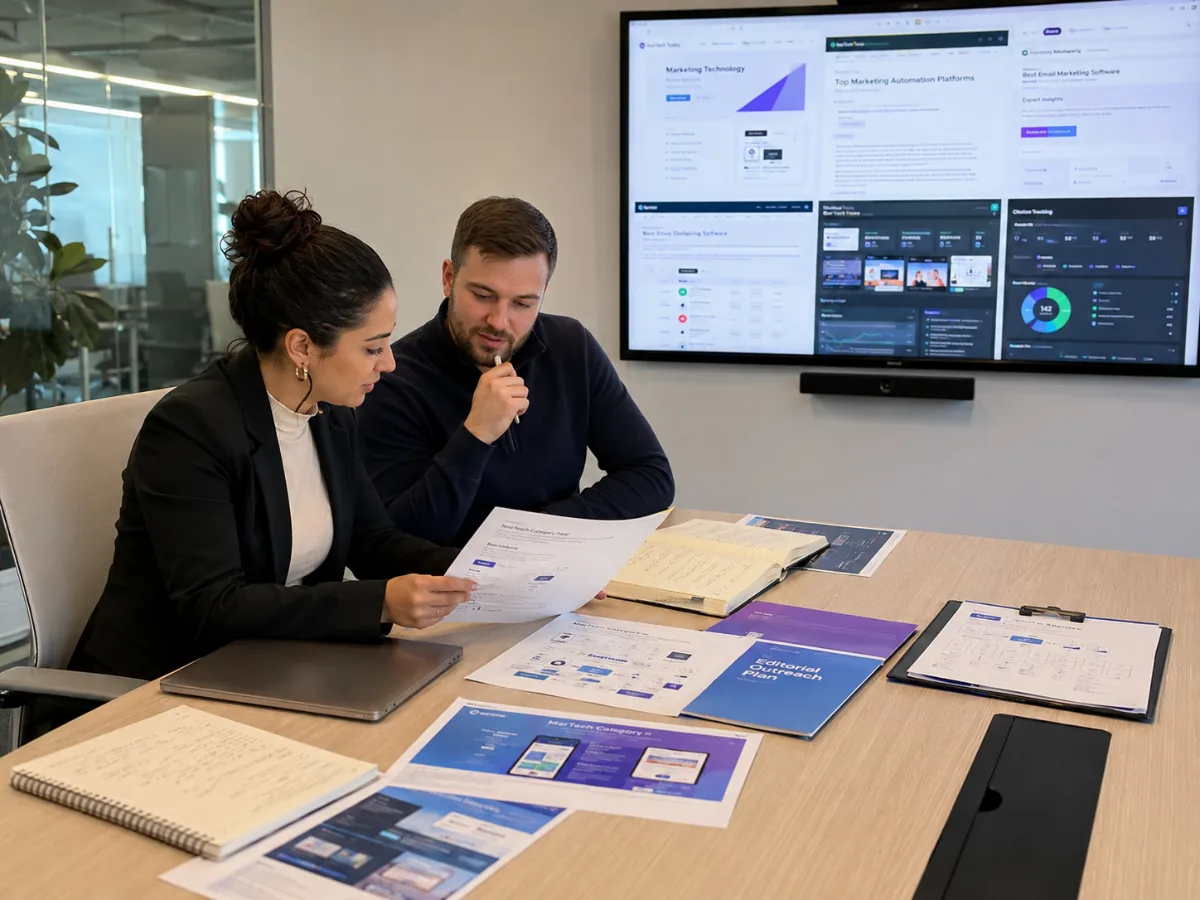
How AI Decides Which Martech Tools Get Named
Marketers ask assistants for stack recommendations. Three signals shape who gets named.
Stack fit
Models check whether you appear in martech stack guides and integration roundups. Fit with the buyer existing tools earns the shortlist.
Category roundups
“Best tools for” pieces are where models pull recommendations. Presence in the right roundups is what gets you cited.
Practitioner proof
Coverage in marketing publications, with real practitioner angles, builds the credibility a model leans on to recommend you.
How do martech brands get recommended by AI assistants?
In a crowded category, assistants name the martech tools that trade press, comparison content, and review platforms single out. Differentiation through earned coverage is what separates the cited from the ignored.
| Citation signal | Why it carries weight | How we earn it |
|---|---|---|
| Marketing trade press | MarTech and Search Engine Land style coverage signals authority to models. | Named editorial placements across marketing publications in our network. |
| Comparison inclusion | Assistants resolve “best” and “alternatives” queries from comparison content. | We earn mentions in the comparison articles that decide your category. |
| Review platforms | G2 standing tells models which tools marketers trust at scale. | Third-party coverage tied to verified user sentiment. |
| Original data and POV | Distinctive data and thought leadership make a brand quotable to assistants. | Coverage built around your original research and point of view. |
Why is it hard to stand out in martech AI search?
Because the category is saturated and most brands say similar things. Assistants cite the few that earned independent coverage and a distinct point of view, so we build the differentiated authority that makes you the named option.
The Sources That Move MarTech Citations
AI models cite the outlets your martech buyers trust. These are the ones we work, tuned to your exact category.
Category roundups
The best-of-category lists buyers and models both use to form a shortlist.
Stack comparison coverage
Editorial positioning you against alternatives in the comparisons marketers rely on.
Marketing publications
Placements in the marketing-technology press your buyers read and trust.
Specialist authority
Niche outlets with outsized weight for your specific martech category.
Why MarTech Buyers Decide In AI Answers
The martech buyer leans on category roundups, stack comparisons, and the marketing press to shortlist tools. Models cite the same sources.
We earn coverage in the roundups and comparison pieces that decide which martech tools get named.

One Programme, Tuned To Your Vertical
The core programme is the same in every industry. What changes is the publication mix, the editorial angles, and the language your category answers to.
We map your sources
We run your category prompts across ChatGPT, Gemini, Perplexity and Claude, and find which outlets the models already cite in your space.
We earn the coverage
We pitch the angles your sector’s editors actually publish, in the publications your buyers trust, tuned to your category.
We track your citations
We report your citation share against named competitors, confirmed and attributable placements only, refreshed every month.
See the five programmes or pricing to pick the entry point that fits your stage.
Want to see who the assistants name instead of you?
Twenty minutes with a senior strategist on which competitors get cited in your category today, and where the gap is. You hear it before you commit to anything.
MarTech Questions
Taking a citation slot a competitor already holds, and what it costs.
Explore the programmes or see all industries.
How do AI assistants pick martech tools to recommend?
They lean on category roundups, stack comparisons, and marketing publications, much as they do for SaaS tools. Coverage in those sources is what gets your tool named in answers.
Is this different from PR for a martech brand?
Yes. PR chases coverage broadly. This programme targets the specific roundup and comparison sources models cite, then tracks the citation lift directly.
Which programme fits a martech company?
Software-led martech brands often choose the flagship programme or SaaS Brand Mentions. See all five programmes and pick the entry point that matches your stage.
What sources do AI models trust for martech?
Martech is a crowded, comparison-heavy category. Assistants lean on established marketing trade media, review platforms and specialist analysts when recommending tools. We target the comparison and category coverage the models actually cite for marketing-software answers.
How does a martech brand stand out in a crowded category?
By owning specific, high-intent answers rather than chasing broad reach. In a category with dozens of tools, being consistently cited in the comparison, alternative and category coverage the models read is what separates the named from the invisible.
How long until a martech brand sees results?
The usual trajectory: 12 to 18 angles inside the first month, your first placements by day 30, and measurable movement by day 90. In a comparison-heavy category, comparison and roundup coverage compounds quickly.
See How AI Answers Look In MarTech
Book a strategy call. We’ll talk through which competitors the assistants name in your category today, and where you can take the citation.
Book a strategy callNo guaranteed-ranking promises. You see confirmed, attributable placements and your citation share against named competitors.
Other verticals we publish in
Each vertical has its own trusted sources and compliance language. See every industry we cover, or jump to a neighbouring category.